Extreme Pain Relief: 5 Powerful Methods That Actually Work
Around 28 million adults in the UK live with some form of chronic pain and for many, standard over-the-counter options simply aren’t enough. When pain becomes relentless, it doesn’t just affect the body; it disrupts sleep, drains energy, and chips away at quality of life. Finding genuine extreme pain relief means going beyond the basics and combining targeted therapies that work together. This guide covers five powerful methods backed by physiotherapy practice and clinical insight that can make a real difference when everyday pain is at its worst.
Why Extreme Pain Relief Requires More Than Painkillers
Most people start with painkillers and for mild or short-term pain, they help. But when pain is severe, persistent or widespread, medication alone rarely addresses the root cause. It masks the signal without resolving the underlying tension, inflammation or nerve sensitivity that drives it.
Chronic pain is recognised by the NHS as a condition that involves changes in the central nervous system meaning the brain itself becomes sensitised to pain signals over time. Effective relief works on multiple levels at once: calming the nervous system, reducing localised inflammation, restoring mobility and improving circulation. The methods below each target a different part of that cycle which is why combining them tends to outperform any single approach.
5 Powerful Extreme Pain Relief Methods
Whether your pain stems from muscle tension, nerve sensitivity, injury or a chronic condition, these five methods are among the most effective tools available without a prescription.
1. Acupressure therapy
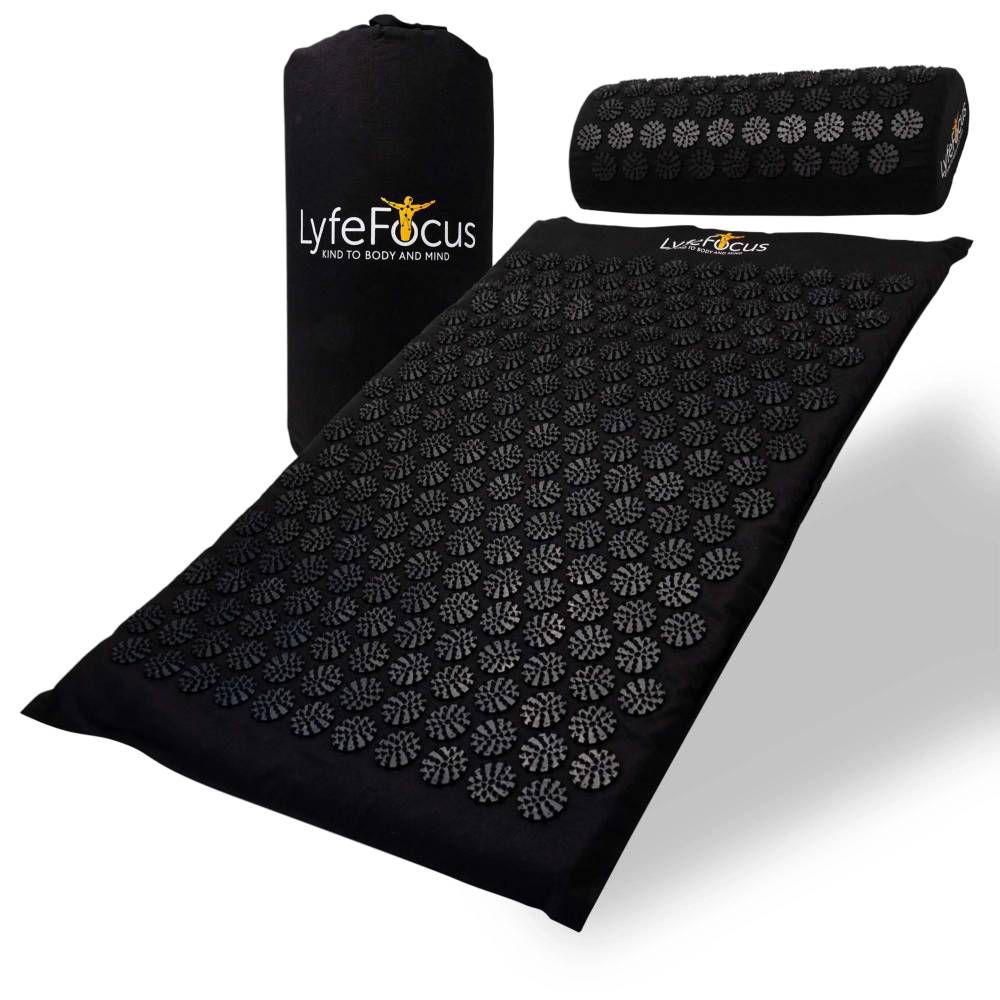
Acupressure applies firm, sustained pressure to specific points across the body triggering the release of endorphins, the body’s natural painkillers. Unlike acupuncture, it requires no needles and can be done at home. The technique works by stimulating the same meridian points used in traditional Chinese medicine, prompting a systemic relaxation response that reduces both localised pain and full-body tension. Regular sessions have been linked to lower cortisol levels, improved sleep and a measurable reduction in chronic muscle pain. An acupressure mat allows you to target multiple pressure points simultaneously, making it one of the most efficient tools available for daily pain management. See our guide on acupressure mat positions and benefits to get the most from each session.
2. Heat and cold therapy
Heat dilates blood vessels, increases circulation and relaxes muscle spasms making it ideal for chronic stiffness and deep muscle aches. Cold constricts blood flow, numbs sharp pain and reduces acute inflammation after injury or flare-up. Alternating between the two, known as contrast therapy, creates a pumping effect in the tissues that clears waste products and delivers fresh, oxygenated blood to damaged areas. For extreme pain, apply heat for 15 to 20 minutes before movement or stretching, and cold immediately after any activity that triggers a flare. A purpose-built hot/cold pack that moulds to the affected area holds temperature longer and delivers more consistent results than improvised alternatives.
3. Targeted stretching and mobility work
When the body is in extreme pain, the instinct is to stop moving. But prolonged immobility causes muscles to shorten, joints to stiffen and circulation to slow all of which amplify pain over time. Gentle, targeted stretching breaks this cycle. Focus on slow, held stretches (30 seconds minimum) in the area of pain and the muscle groups directly connected to it. For back pain, include hip flexors and hamstrings. For shoulder and neck pain, include the chest and thoracic spine. Even five minutes of deliberate movement twice a day creates measurable improvement in pain levels within two to three weeks.
4. TENS therapy
Transcutaneous electrical nerve stimulation (TENS) uses low-voltage electrical currents delivered through adhesive pads placed on the skin. These pulses interfere with pain signals before they reach the brain essentially jamming the pain pathway. TENS also stimulates endorphin production, adding a secondary layer of natural pain relief. Portable TENS units are available without prescription and are widely used for back pain, nerve pain, arthritis and post-injury recovery. Intensity and pulse frequency can be adjusted depending on pain type: low frequency for deeper, aching pain; high frequency for sharper, more acute pain.
5. Mind-body techniques
The connection between mental state and physical pain is well-established. Chronic stress keeps the nervous system in a heightened alert state, lowering the pain threshold and making existing pain feel more intense. Techniques such as diaphragmatic breathing, progressive muscle relaxation and guided body scanning reduce sympathetic nervous system activity physically calming the pain response. Even ten minutes of slow, controlled breathing (four counts in, six counts out) has been shown to reduce perceived pain intensity within a single session. Pairing these techniques with acupressure or heat therapy produces a compounding effect that neither achieves alone.
Combining Methods for Maximum Extreme Pain Relief
No single therapy works for every person or every pain type. The strongest results come from stacking complementary methods into a simple daily routine. Here is a practical combination that works well for most desk workers and chronic pain sufferers:
- Morning: 5 minutes of diaphragmatic breathing, then 10 minutes on an acupressure mat to prime the nervous system.
- Before movement: apply heat to the area of pain for 15 minutes to loosen tight tissue.
- After movement or exercise: apply cold for 10 to 15 minutes to manage inflammation.
- Evening: targeted stretching for the main pain areas, followed by a TENS session or a second acupressure session.
- Throughout the day: regular posture checks, micro-movement breaks every 30 to 45 minutes if desk-based.
Consistency matters more than intensity. A modest daily routine will outperform an occasional intense session every time.
When to Seek Medical Help
Managing chronic or severe pain at home is effective for most musculoskeletal and tension-related conditions. However, some symptoms warrant urgent professional assessment. See a GP without delay if:
- Pain follows a significant injury, fall or accident
- Pain is accompanied by unexplained weight loss, fever or night sweats
- Numbness, tingling or weakness spreads into the limbs
- Bladder or bowel function is affected alongside back pain
- Pain is worsening progressively over several weeks despite home care
A doctor can rule out structural causes, refer for imaging and prescribe treatments including physiotherapy, injections or specialist pain management programmes that work alongside the self-care strategies above.
Conclusion
Extreme pain relief isn’t about finding one magic solution it’s about building a layered approach that addresses pain from multiple angles at once. Acupressure, heat and cold therapy, targeted stretching, TENS and mind-body techniques each play a distinct role. Used consistently and in combination, they can deliver the kind of relief that single methods rarely achieve on their own. Start with whichever method feels most accessible, build the habit, and add the others gradually. Relief is possible it just takes the right tools and a little patience.
Have a question about Us?
We’re happy to help visit our support page to get in touch.
Relax your body and calm your mind with gentle acupressure relief.
Acupressure Mat & Pillow (Black)