5 Must-Have Sport Recovery Tools for Optimal Performance
Training hard is only half the equation. What you do between sessions determines how fast you improve, how quickly soreness fades, and how long you stay injury-free. The right sport recovery tools are not a luxury for professional athletes. They are a practical investment for anyone who trains regularly and wants to get more out of every workout. This guide covers five essential sport recovery tools, why each one works, and how to use them effectively at home without any specialist equipment or expertise.
Why Sport Recovery Tools Make a Measurable Difference
Most people underestimate how much of their progress happens outside the gym. During training, muscle fibres break down. During recovery, they rebuild stronger. That rebuild process depends on sleep, nutrition, and the physical treatment you give your body in the hours and days after exercise. Using the right sport recovery tools during this window directly supports that process by reducing inflammation, improving circulation, releasing muscular tension, and restoring mobility faster than passive rest alone.
Research published in Scientific Reports confirms that foam rolling significantly accelerates post-exercise recovery and reduces delayed onset muscle soreness compared to passive rest. Sport recovery tools work on this same principle, giving the body targeted physical support at the tissue level where soreness and stiffness actually begin.
Sport Recovery Tools No. 1: Foam Roller
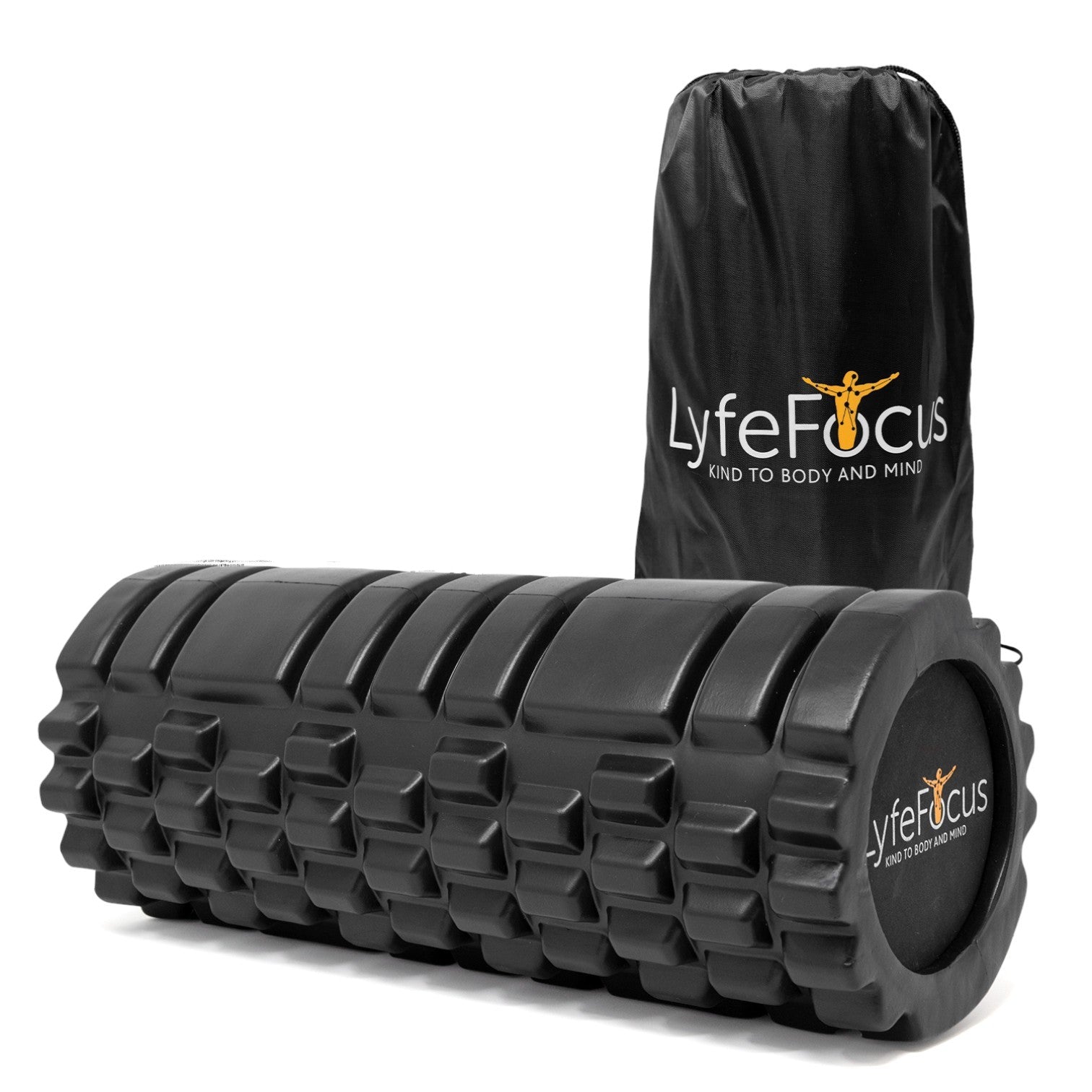
A foam roller is one of the most effective and accessible sport recovery tools available. It works through a process called myofascial release, where sustained pressure on the muscle breaks down adhesions and knots in the connective tissue. These adhesions form after exercise and are a primary cause of the tightness and restricted movement that follows a hard session.
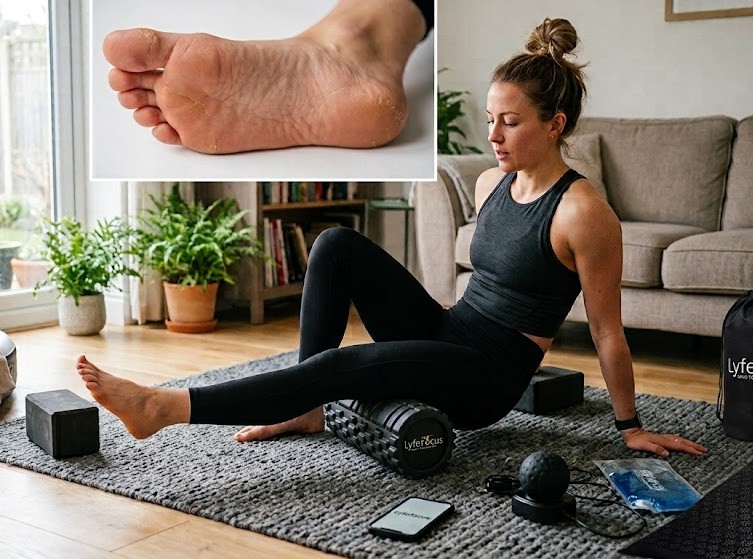
Rolling the quads, hamstrings, calves, glutes, and upper back for 10 to 15 minutes after training reduces delayed onset muscle soreness and improves the range of motion you carry into your next session. The key is to roll slowly, pause on tender spots for 20 to 30 seconds, and breathe through the discomfort rather than tensing against it. Sport recovery tools like the foam roller work best when used consistently rather than occasionally, so keep it somewhere visible as a reminder to use it.
Our foam rollers and massage balls are designed with a trigger-point surface that replicates the contact points of a professional massage, targeting deep muscle tissue more effectively than a smooth roller.
Sport Recovery Tools No. 2: Vibrating Massage Ball
Where a foam roller covers large muscle groups, a vibrating massage ball targets the smaller, harder-to-reach areas that cause the most persistent soreness. The glutes, piriformis, the base of the shoulder blade, the arch of the foot, and the muscles around the hip joint all respond well to point-specific pressure that a roller simply cannot replicate.
Sport recovery tools like the massage ball are especially useful for anyone who experiences recurring tightness in one particular area. By placing the ball against a wall or the floor and applying your bodyweight, you can control the depth of pressure with precision. The vibration setting adds a secondary benefit, increasing blood flow to the area and accelerating the flushing of metabolic waste that accumulates in the muscle during exercise. A 10-minute session targeting two or three areas after training is enough to make a noticeable difference in how you feel the following morning.
Sport Recovery Tools No. 3: Hot and Cold Therapy Pack
Hot and cold therapy has been used in sport recovery for decades because it works on a physiological level that no supplement or stretching routine can replicate. Cold applied to an area in the 24 to 48 hours after intense exercise causes blood vessels to constrict, reducing inflammation and numbing localised pain. Heat applied after the acute phase relaxes tight muscle tissue, improves circulation, and eases the chronic stiffness that builds up over a training week.
A reusable gel pack that doubles as both hot and cold therapy is one of the most versatile sport recovery tools you can own. It covers more use cases than a single-function product and fits into your routine without requiring you to prepare anything complicated. Apply cold for 15 to 20 minutes per session in the first day after training, then switch to heat for ongoing muscle tightness and tension later in the week. Sport recovery tools that serve multiple functions like this are particularly valuable if you train more than three times a week and need to manage soreness across multiple body parts simultaneously.
Sport Recovery Tools No. 4: Acupressure Mat
An acupressure mat might not be the first thing that comes to mind when thinking about sport recovery tools, but the results speak clearly. The mat is covered in thousands of small pressure points that stimulate the skin and underlying tissue when you lie on it. This triggers the release of endorphins, increases local blood flow, and produces a deep relaxation response in the muscle tissue that is difficult to achieve through any other passive method.
Using an acupressure mat for 20 to 30 minutes after training, particularly on the back and shoulders, significantly reduces the muscle tension that accumulates after heavy upper body or compound lifting sessions. Sport recovery tools that address the nervous system as well as the muscle tissue are especially effective for people who carry stress alongside their training load. The mat works on both simultaneously, which is why many regular users report better sleep quality on evenings when they use it, an indirect benefit that has a direct impact on how well the body recovers overnight.
Sport Recovery Tools No. 5: Portable Ice Bath
Cold water immersion is one of the most powerful sport recovery tools available for full-body recovery after demanding training sessions. Submerging the lower body or full body in cold water for 5 to 10 minutes causes a systemic reduction in inflammation, a significant drop in muscle soreness within 24 hours, and a rebound increase in circulation once you leave the water that delivers fresh nutrients to recovering muscle tissue across the entire body.
This is not an exclusive tool for elite athletes. Portable ice baths designed for home use make cold immersion practical and accessible. They require no plumbing, fit in a garden or garage, and can be ready in minutes. Sport recovery tools that work at a full-body level like this are particularly valuable after long runs, heavy leg sessions, or multi-event training days where the volume of exercise is too high for localised treatment to address effectively. Two to four sessions per week is enough to produce meaningful improvements in how quickly your body bounces back between sessions.
How to Get Started
You do not need all five sport recovery tools at once. The most practical approach is to start with the tools that address your biggest current recovery problem. If muscle tightness and knots are holding you back, start with a foam roller and massage ball. If inflammation and soreness are the main issue, a hot and cold therapy pack or ice bath will give you the fastest results. If stress and poor sleep are compounding your recovery problems, an acupressure mat is worth trying first.
The common thread across all effective sport recovery tools is consistency. A foam roller used five times a week delivers far greater results than an ice bath used once a month. Build a routine that is simple enough to repeat after every session and you will notice the difference within two weeks.
Need help choosing the right product? Our team is here to help you find the best fit. Visit our contact page and we will point you in the right direction.
Ease muscle pain fast with deep-tissue relief you can take anywhere.
Foam Roller (Black)