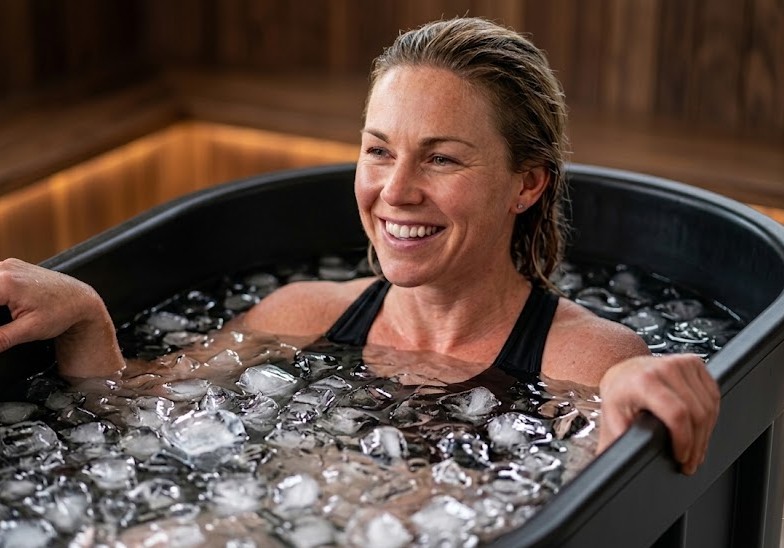
What Happens to Your Body in an Ice Bath Will Surprise You
Most people step into an ice bath expecting discomfort… but very few understand what’s actually happening inside the body at a biological level. The Science Behind Ice Baths reveals a chain reaction affecting blood flow, the nervous system, inflammation, and even mental resilience within minutes.
What looks like a modern wellness trend is actually rooted in human physiology. When used correctly, cold exposure can support recovery, reduce soreness, and improve how the body responds to physical stress.
The Science Behind Ice Baths and Your Body’s Shock Response
The Science Behind Ice Baths begins the moment your body hits cold water (typically 10–15°C). Your first reaction is not random—it is a survival mechanism.
Your blood vessels rapidly constrict in a process called vasoconstriction. This pulls blood away from the skin and extremities and directs it toward core organs to preserve body temperature.
At the same time:
- Heart rate increases briefly
- Breathing becomes faster and deeper
- The nervous system enters a heightened alert state
This controlled “shock” is what triggers many of the recovery effects people associate with ice baths.
How Ice Baths Reduce Pain and Speed Up Recovery
One of the key reasons people use cold therapy is pain management. The Science Behind Ice Baths shows several physiological effects that explain this:
Cold exposure helps:
- Slow down nerve signal transmission (reducing pain perception)
- Limit inflammation in muscles after exercise
- Decrease swelling in soft tissue
When you exit the ice bath, blood flow returns to normal, creating a flushing effect that may help deliver oxygen and nutrients to fatigued muscles.
To support structured recovery routines, Lyfe Focus provides practical wellness solutions designed to complement cold exposure and pain relief strategies. Explore our recovery-focused products to build a more complete recovery system.
Science Behind Ice Baths and Brain Chemistry
The benefits of ice baths are not just physical—they are neurological.
The Science Behind Ice Baths also includes changes in brain chemistry. Cold exposure activates the sympathetic nervous system, increasing the release of norepinephrine, a neurotransmitter linked to alertness, focus, and mood regulation.
Many users report:
- Increased mental clarity
- Improved stress tolerance
- A sense of calm after exposure
This is why ice baths are increasingly used not only for athletes but also for people managing high-stress lifestyles.
The Role of Ice Baths in Modern Recovery Training
Recovery is now seen as a critical part of performance, not an optional extra. The Science Behind Ice Baths supports their use as part of a structured recovery routine—especially after intense physical activity.
However, timing matters. Research suggests that immediate cold exposure after strength training may reduce muscle adaptation in some cases. This means ice baths should be used strategically, not excessively.
For deeper insight into recovery practices, Lyfe Focus offers guidance and support through our wellness platform. You can also learn more or ask questions via our contact page.
Safety and Best Practice Guidelines
While the benefits are compelling, the Science Behind Ice Baths also highlights the importance of safety.
Best practices include:
- Starting with short sessions (1–3 minutes)
- Keeping water between 10–15°C
- Avoiding overexposure
- Not using ice baths if you have cardiovascular conditions without medical advice
Cold therapy should challenge the body—but never overwhelm it.
For official guidance on safe physical activity and recovery, you can refer to UK Government physical activity recommendations.
Why Ice Baths Are Gaining Popularity
The rise of cold therapy reflects a broader shift toward proactive health management. The Science Behind Ice Baths aligns with modern wellness trends focused on resilience, recovery, and long-term performance.
From athletes to office workers, more people are using ice baths to:
- Manage physical stress
- Improve recovery time
- Build mental resilience
This shift shows that recovery is no longer reactive—it’s intentional.
FAQs: Science Behind Ice Baths
What is the Science Behind Ice Baths in simple terms?
The Science Behind Ice Baths explains how cold exposure reduces inflammation, activates the nervous system, and temporarily lowers pain perception to support recovery.
How long should you stay in an ice bath?
Most beginners should start with 1–3 minutes and gradually increase over time. Staying longer does not always increase benefits and may increase risk.
Do ice baths actually help muscle recovery?
Yes, they can reduce soreness and inflammation after exercise. However, they should be used strategically depending on training goals.
Can ice baths improve mental health?
Cold exposure may increase norepinephrine levels, which can improve alertness and stress resilience in some individuals.
Get in Touch
If you’re ready to take recovery seriously, Lyfe Focus is here to help you build a smarter, more effective routine. The Science Behind Ice Baths is just the beginning—real results come from consistency and the right tools.
For personalised support or product recommendations, get in touch with our team today. Whether you’re looking to optimise performance, reduce pain, or improve recovery, we’re here to support your journey.

Ice Bath (Black)
Experience elite recovery and reduce inflammation with professional-grade cold therapy at home.
Shop Now →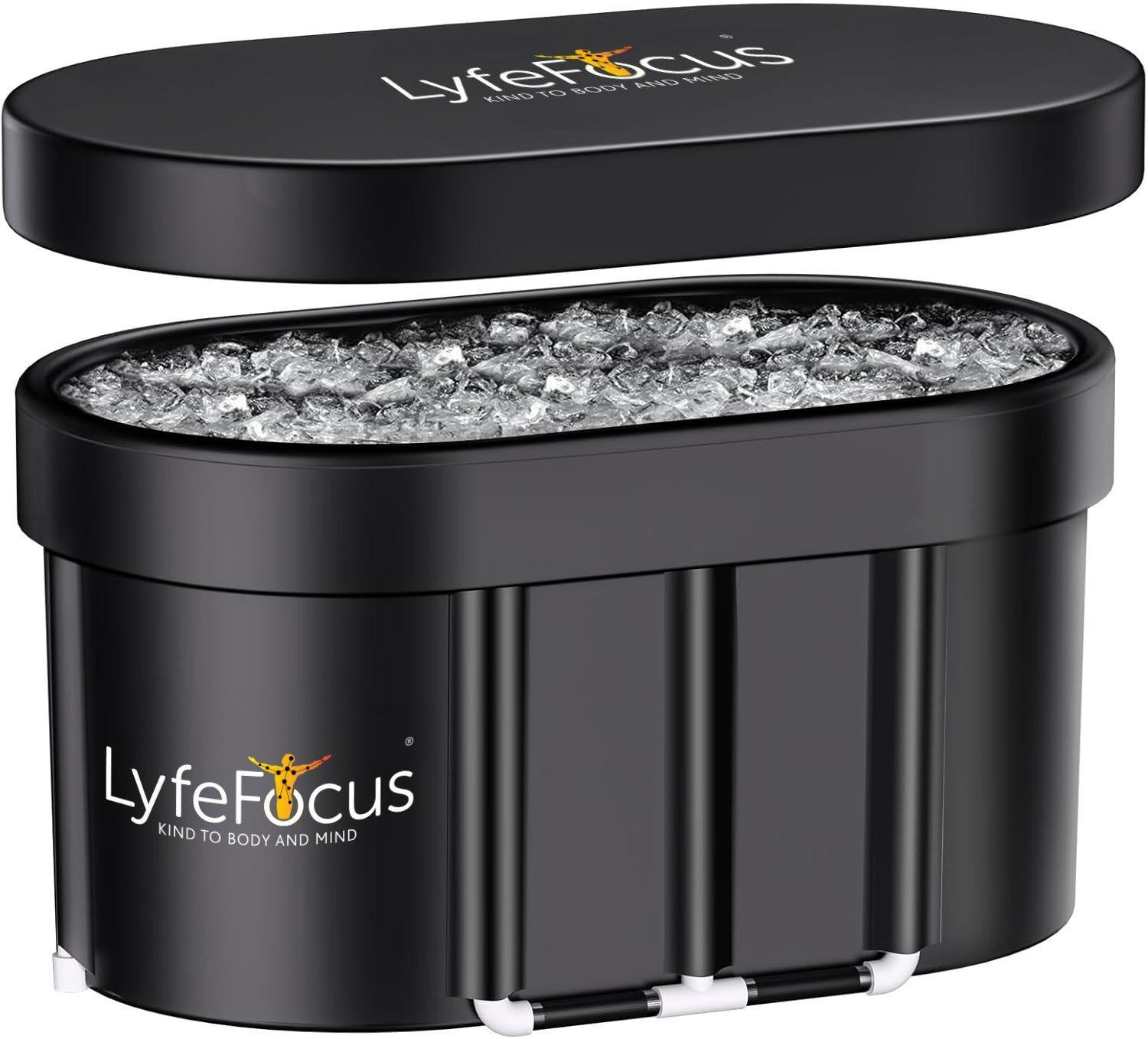
Related posts:
 Heat vs Ice For Back Pain: What Works, When To Use It, And How Long
 When a Lower Back Support Belt Can Help, and How Desk Workers Use It Well
 Back Pain from Sitting at Desk: Why I Stopped Ignoring My Neck Pain After 2 Years Working from Home
 Relieve Back Pain at Home: 7 Powerful Ways to Reduce Daily Back Tension

