
Why the Back of Your Neck Aches After a Stressful Workday
If the back of neck aches by the end of the day, it is rarely just one thing. It is usually a stack of small pressures that build quietly. A low laptop screen pulls your head forwards. Stress makes you clench your jaw and lift your shoulders. Long periods of sitting stop the muscles around the neck and upper back from ever switching off properly. By the time work finishes, the back of neck aches do not just feel stiff. It feels loaded.
That is why the ache can be so frustrating. It often seems to appear out of nowhere, but in reality the body has been dealing with low level strain for hours. Many people then try to fix it with one quick stretch or a shoulder shrug, only to find the same tension creeping back the next day.
Understanding Why the Back of Neck Aches
The back of the neck is constantly working to support the weight of the head. When posture drifts forwards, those muscles have to work harder for longer. They do not usually fail in a dramatic way. They simply become irritated, overused, and more sensitive.
Stress makes that worse. When you are overloaded or rushing, the body often responds with bracing. You may not notice it in the moment, but your jaw gets tighter, your breathing becomes shallower, and your shoulders sit a little higher than normal. That subtle guarding can leave the back of neck aches feeling as though it never fully relaxes.
The upper back also matters. If the chest is tight and the upper back is stiff from desk work, the back of neck has to do more of the job. That is why back of neck aches and shoulder tension usually travel together.
The habits that keep the problem going
One of the biggest culprits is staying in one position for too long. Even a reasonable sitting position becomes a problem when it is held for hours without much variation. Another issue is constantly looking slightly downwards at a screen, a phone, or a second device. That repeated angle keeps the muscles at the base of the skull and the back of the neck switched on all day.
Then there is the stress behavior people rarely count. Clenching teeth, hunching during calls, typing with the shoulders slightly shrugged, and powering through without a break can all keep the area under tension. None of those habits look dramatic, but together they create the exact type of back of neck aches people describe after a stressful workday.
What actually helps
The first win is to reduce the amount of time your head spends drifting forwards. Raise the screen. Bring work closer to eye level. Keep the keyboard near enough that you are not constantly reaching. These changes sound basic because they are basic, but they remove strain at source instead of chasing symptoms later.
Next, make movement easier to repeat. A two minute reset done three or four times a day will usually do more than one heroic stretch at 8 pm. Try slow shoulder rolls, a few chin tucks, and short walks away from the desk. The goal is not perfect posture. The goal is to stop the neck being trapped in one loaded position.
Breathing also matters more than people expect. Slow nasal breathing and a deliberate exhale help reduce the bracing pattern that shows up in the jaw, upper chest, and neck. If you finish work still mentally wired, the neck often stays physically wired too.
A realistic evening reset
A simple routine works better than an impressive one. Start with this:
1. Drop the shoulders and breathe
Take five slow breaths and focus on letting the shoulders fall on each exhale.
2. Gently tuck the chin
Think of making a small double chin rather than jamming the head backwards. Repeat for five controlled reps.
3. Open the chest
Stand in a doorway and lightly stretch the front of the chest for 20 to 30 seconds.
4. Change the sensory input
Step away from the laptop, dim the lights a touch, and give the body a chance to stop treating the evening like part two of the workday.
Where the right recovery tools can earn their place
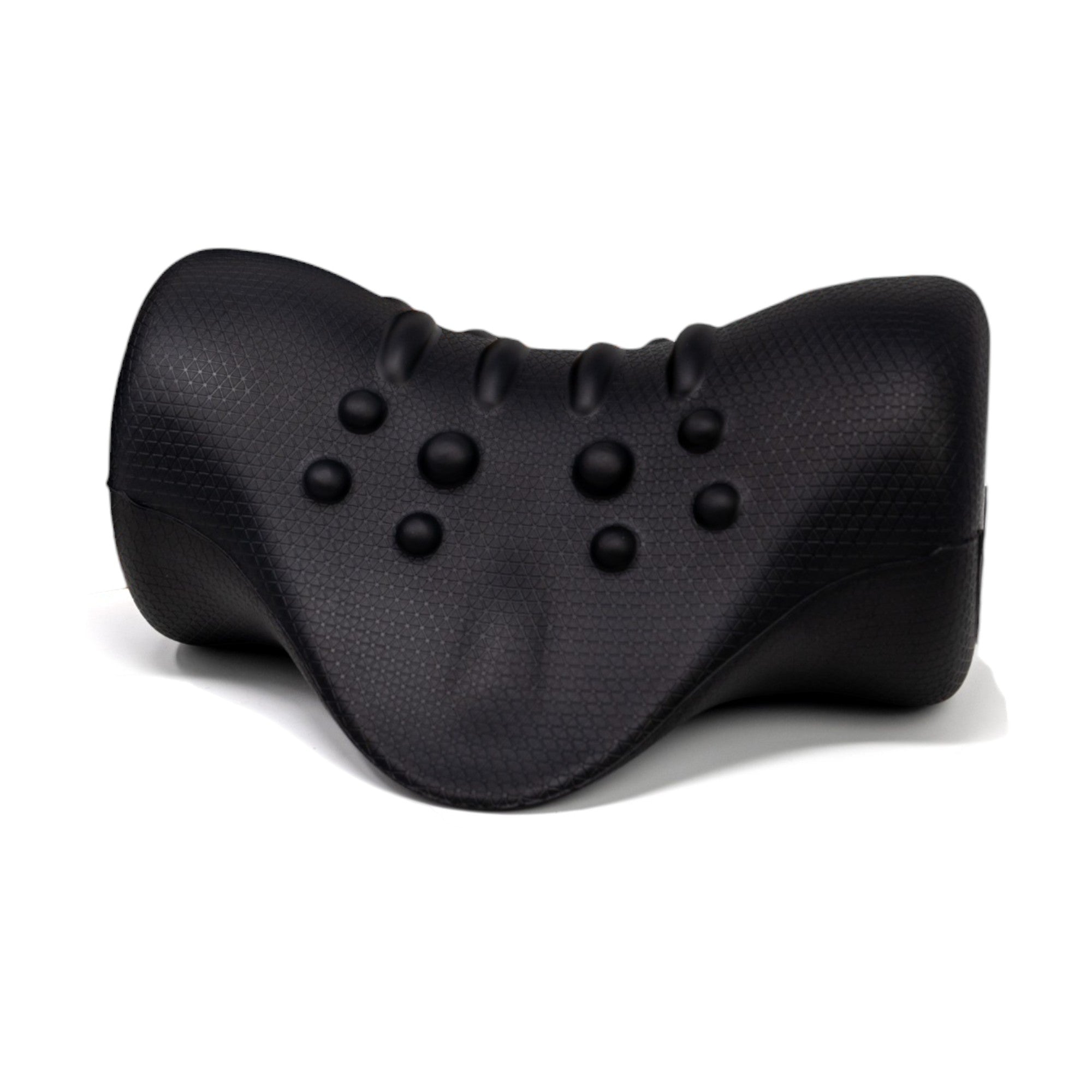
This is exactly where a well chosen support product becomes worthwhile. A neck stretcher with gentle heat or a neck and shoulder hot and cold pack can make the wind-down period far easier to stick with because it gives the body a clear signal to relax. It is not about replacing movement or better desk habits. It is about making recovery more consistent, more comfortable, and more likely to happen.
For people who finish work feeling locked up across the neck and shoulders, that kind of passive support is often a smart buy rather than a luxury. Used alongside better screen height, regular breaks, and less tension carrying, it helps turn good intentions into an actual routine.
When to stop guessing
If back of neck aches is severe, follows an injury, causes numbness or weakness, or keeps getting worse despite sensible changes, it is worth getting professional advice. But for a lot of work related neck tension, the fix starts with changing the pattern that created it.
When your back of neck aches after work, the answer is usually not one magic stretch. It is better positioning, less bracing, more regular movement, and recovery tools that help you actually unwind. Get those pieces working together and the neck tends to settle far more quickly.
Ease neck tension and restore natural posture with targeted support. 
Neck Stretcher (Black)
Related posts:
 A Holistic Approach to Pain: 5 Ways to Break the Stress and Tension Cycle
 Stress and Muscle Tension: Why Your Body Feels Tight Even When You’re Resting
 A Weekly Recovery Plan for Desk Workers With Neck, Shoulder, and Back Aches
 Acupressure Mat Routine: 4 Proven Steps for Busy People to Relieve Tension
