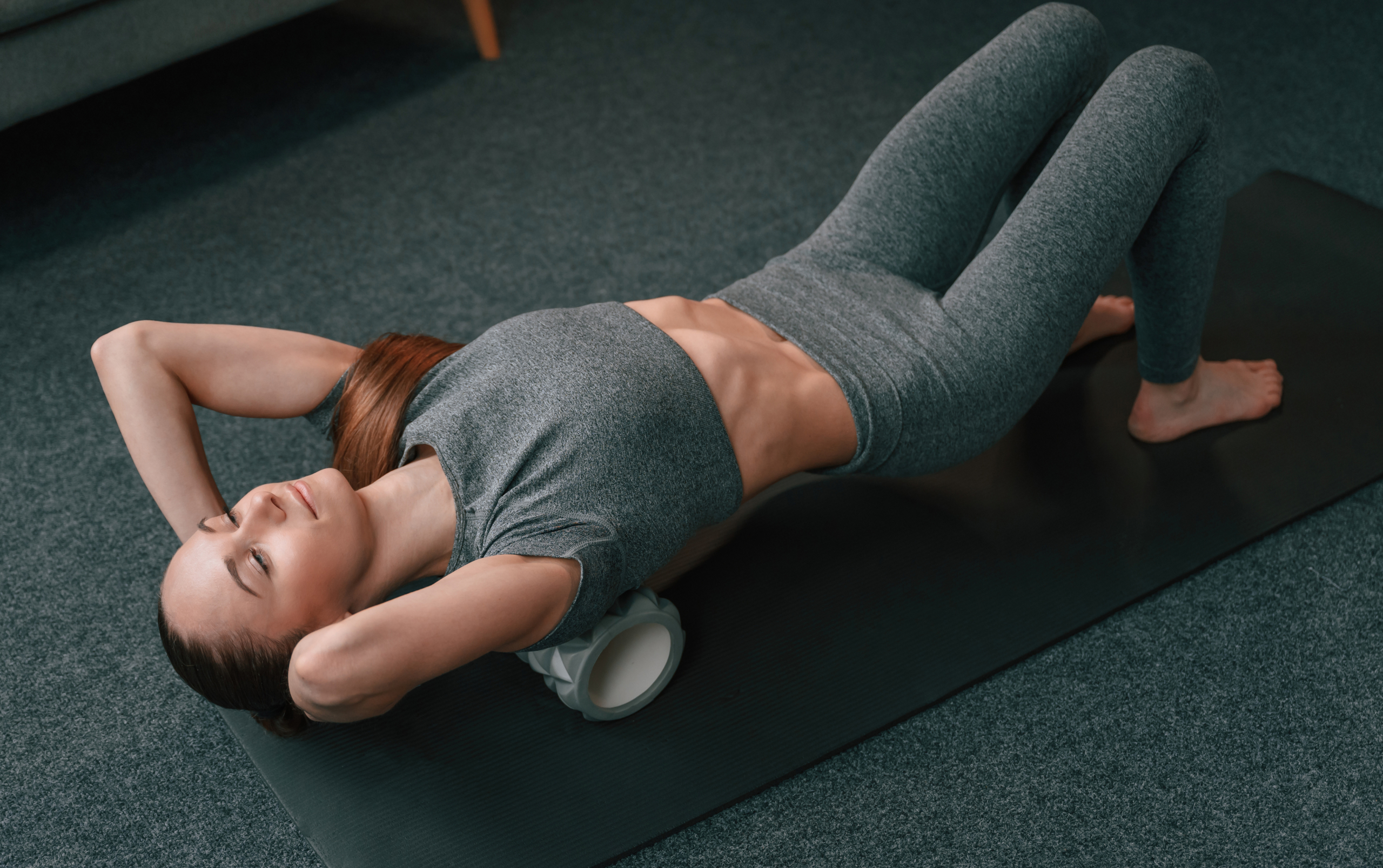
Foam Roller for Back Pain: The 10-Minute Routine That Actually Hits The Right Spots
LyfeFocus is designed for people who want simple recovery that actually fits real life. A foam roller can help stiffness and muscle guarding, but most people turn it into a grind-fest and then blame the tool. It is not supposed to punish you — it is supposed to deliver controlled pressure that your nervous system can accept.
Why Foam Roller and Back Pain Can Improve Quickly — or Flare Quickly
Your nervous system decides whether pressure is helpful or threatening. Rolling fast, pressing too hard, and holding your breath creates threat. Threat creates guarding. Guarding creates more stiffness. Rolling slowly, keeping pressure tolerable, and breathing slowly creates a signal the body can accept. That is why technique matters more than how hard the roller is.
The LyfeFocus foam roller is designed with different contact zones so you can vary intensity. Use that. If you start too intense, you will brace and your back will not release.
Target Areas That Actually Outperform Lumbar Grinding
If your lower back hurts, the instinct is to roll it directly. That often backfires. The lumbar spine is sensitive, and compressing it directly can irritate you. Better results usually come from rolling supporting regions that influence lumbar load.
Start with the upper back. A stiff thoracic spine forces compensation into the neck and lower back. A slow session on the upper back can open your chest, improve breathing, and reduce the armour feeling between the shoulder blades. Then target the lats, because tight lats pull the shoulders forward and feed poor desk posture. Then target glutes and hips, because stiff hips force the lumbar spine to do extra movement.
The 10-Minute Structure That Works
In practice, aim for a few slow passes and brief pauses on hotspots while breathing. If a tight area softens into warmth as you breathe, you are doing it right. If it spikes into sharp pain, you overshot. Ten minutes of controlled rolling is enough. More time does not automatically equal more benefit, especially if you are bracing through it.
Understanding the difference between lower back tension and lower back pain can also help you decide how much pressure to apply and when to ease off.
How to Keep the Gains So Your Back Stops Re-Tightening
Rolling can reduce tone, but your day can rebuild it. Break up sitting. Stand, breathe, move. Even one minute of posture reset can reduce the load you carry into the evening. This tool works best when it is paired with a small behaviour shift, because recovery tools do not beat habits unless you help them.
A foam roller works best as part of a wider routine. Pair it with better screen height, regular standing breaks, and awareness of how you breathe under pressure. None of those things take long. Together they reduce the daily loading that makes your back tighten in the first place
Making It a Consistent Part of Your Routine
The biggest mistake people make is using a foam roller once in a while and expecting lasting change. Short, calm sessions after work done consistently produce far better results than occasional intense sessions. Two weeks of five to ten minutes daily is usually enough to notice a real difference in how the back feels in the morning.
Pair each session with a short walk afterwards. That combination often creates better next-day comfort than rolling alone, because movement helps the nervous system consolidate the release rather than tightening back up overnight.

Foam Roller (Black)
Ease muscle pain fast with deep-tissue relief you can take anywhere.
Shop Now →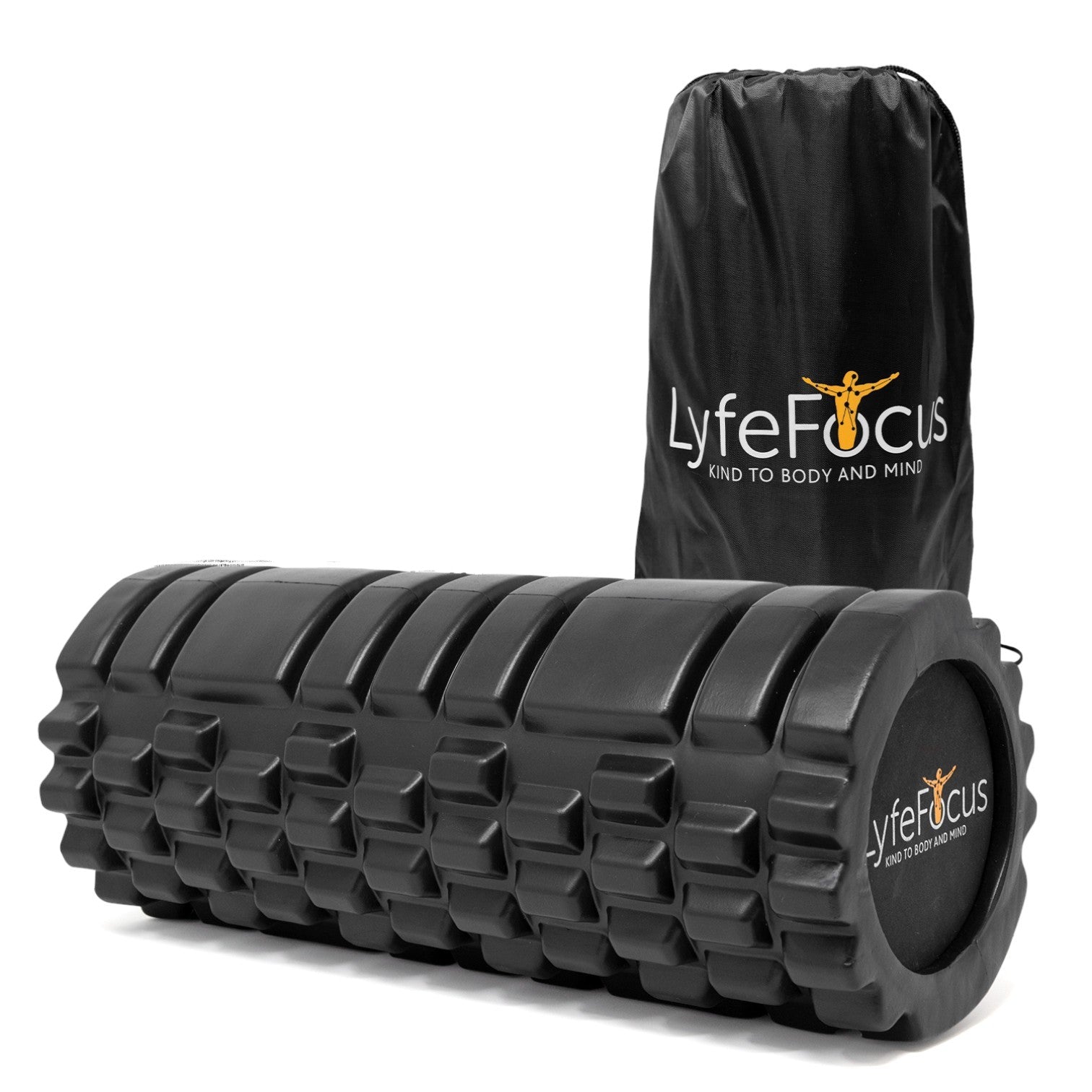
Related posts:
 Lower Back Pain That Shoots Down Your Legs: What It Usually Means And What To Do Today
 Back Support Belt For Lower Back Pain: When It Helps, When It Hurts, And How To Pick One
 Back Stretcher For Pain Relief: What It’s For, How To Use It, And Common Mistakes
 Neck Stretcher Guide: How To Use One Safely For Stiffness And Screen-Headaches
