Treatment for Back Strain: What Actually Works
The PRICE Method in the First 48–72 Hours
In the acute phase, the standard approach to treatment for back strain follows the PRICE protocol:
- Protect the area from further injury
- Rest — avoid the movements that provoked the pain, but don’t rest completely
- Ice — apply cold therapy to reduce inflammation and muscle spasm
- Compression — gentle support around the lower back can reduce pain and swelling
- Elevation — less relevant for the back, but lying with knees supported can reduce lumbar pressure
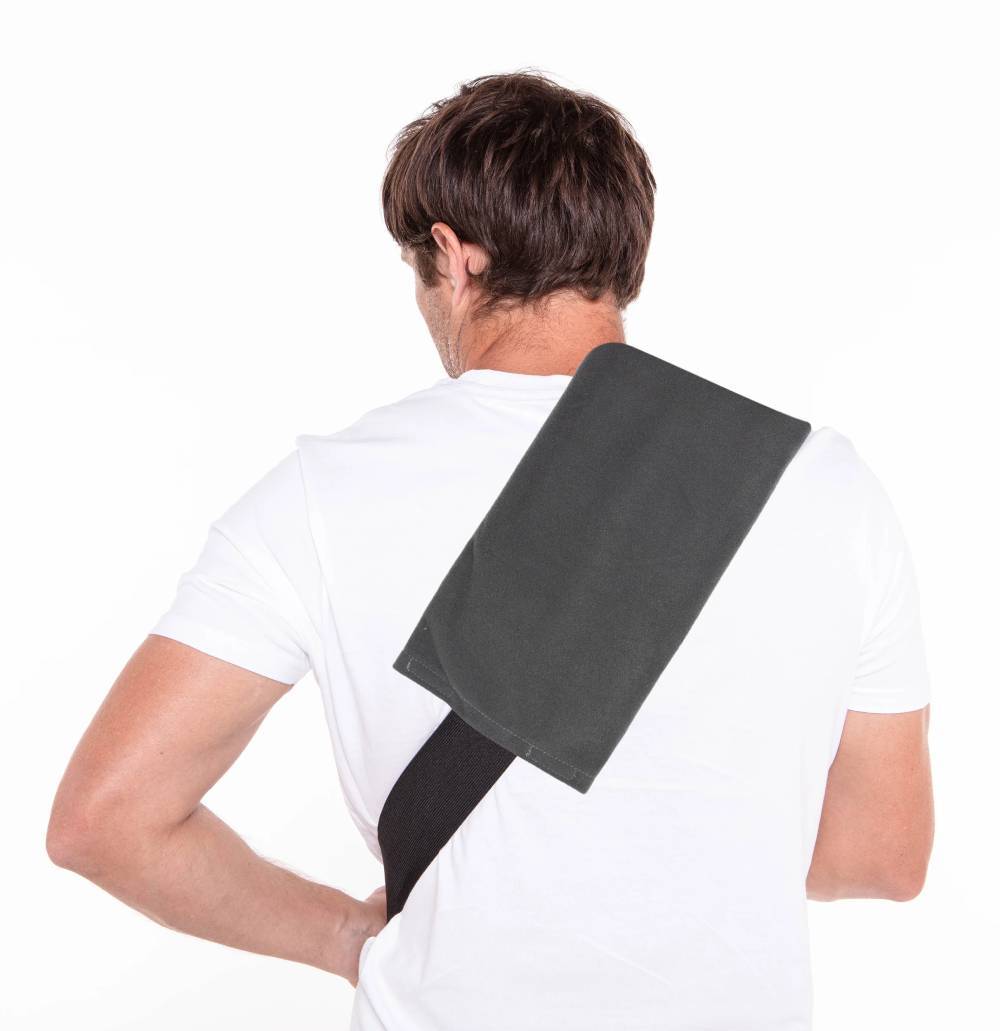
A hot/cold therapy pack used strategically in the first few days — cold in the early inflammatory phase, transitioning to heat as the acute phase passes — can meaningfully accelerate comfort and healing.
Gentle Movement and Mobilisation
Complete bed rest is no longer recommended for back strain. Research consistently shows that staying gently active — short, comfortable walks, light stretching, and controlled movement — produces better outcomes than prolonged immobilisation. Aim to keep moving within your pain-free range.
Lumbar Support During Recovery
Wearing a supportive back belt during activities that load the lower back — whether returning to light work, driving, or household tasks — can reduce the strain placed on healing tissue. A well-fitted lower back support belt helps stabilise the lumbar spine and gives recovering muscles the protection they need to heal without setback.
Heat Therapy for Muscle Relaxation
Once the initial inflammatory phase has passed (typically after 48–72 hours), heat becomes a powerful tool for treatment of back strain. Warmth increases blood flow to the area, relaxes muscle spasm, and helps restore mobility. Applied for 15–20 minutes at a time, heat therapy can significantly ease the chronic tightness that often lingers after the acute injury has resolved.
Stretching and Strengthening
As pain subsides, introducing gentle stretches — such as knee-to-chest pulls, cat-cow movements, and hip flexor stretches — helps restore flexibility and reduce the risk of re-injury. A structured return to core strengthening is also essential for long-term prevention.
What Is a Back Strain — and How Is It Different from a Back Sprain?
The terms back strain and back sprain are often used interchangeably, but they refer to injuries affecting different types of tissue:
Back Strain involves damage to a muscle or tendon — the fibrous cords that connect muscle to bone. When these tissues are overstretched or torn, the result is a strain. You might hear it called a “muscle pull in the back,” and that description is apt: the sensation often feels like something has been pulled or seized in the lower back region.
Back Sprain involves damage to a ligament — the tough, fibrous tissue that connects bone to bone and stabilises the joints of the spine. Sprains often occur from sudden twisting movements or a fall that forces a joint beyond its normal range of motion.
Both injuries cause pain, swelling, stiffness, and reduced mobility, and both are treated in broadly similar ways — but understanding which tissue is involved can help you and your healthcare provider choose the most targeted recovery approach.
According to the NHS guidance on sprains and strains, most cases can be managed at home with the right combination of rest, gentle movement, and appropriate pain relief.
FAQs
How long does a back strain take to heal?
Most mild to moderate back strains resolve within two to six weeks with appropriate care. Severe strains involving significant muscle or tendon tearing may take longer — sometimes up to twelve weeks — and may benefit from physiotherapy. Returning to full activity too quickly is one of the most common reasons for re-injury.
What is the difference between a back sprain and a back strain?
A back strain affects muscles or tendons, while a back sprain affects ligaments. Both produce similar symptoms — pain, swelling, and limited movement — and the treatment approach is largely the same. However, sprains can sometimes take slightly longer to heal due to the lower blood supply to ligament tissue.
Should I use heat or ice for a muscle pull in the back?
In the first 48–72 hours after a muscle pull in the back, ice is generally more effective — it reduces inflammation and numbs acute pain. After this initial phase, heat therapy is preferable, as it relaxes tight muscles and promotes circulation. Alternating between the two can also be beneficial in the subacute phase.
When should I see a doctor about back strain?
You should seek medical advice if your back strain pain is severe, shows no improvement after two weeks of home treatment, or is accompanied by leg pain, numbness, tingling, or any changes in bladder or bowel function. These symptoms may indicate nerve involvement and require professional assessment.
Get the Right Support for Your Recovery
A back strain can sideline you from work, sport, and the activities you enjoy — but with the right tools and approach, most people make a full recovery. Whether you’re anywhere across Lancashire, LyfeFocus provides clinically informed, medical-grade recovery products designed to support you every step of the way.
Ready to start your recovery? Get in touch with our team today — we’ll help you identify the right product combination for your specific injury and lifestyle.

Hot/Cold Pack Small (Grey Cover)
Get hands-free relief anywhere with versatile hot or cold therapy.
Shop Now →