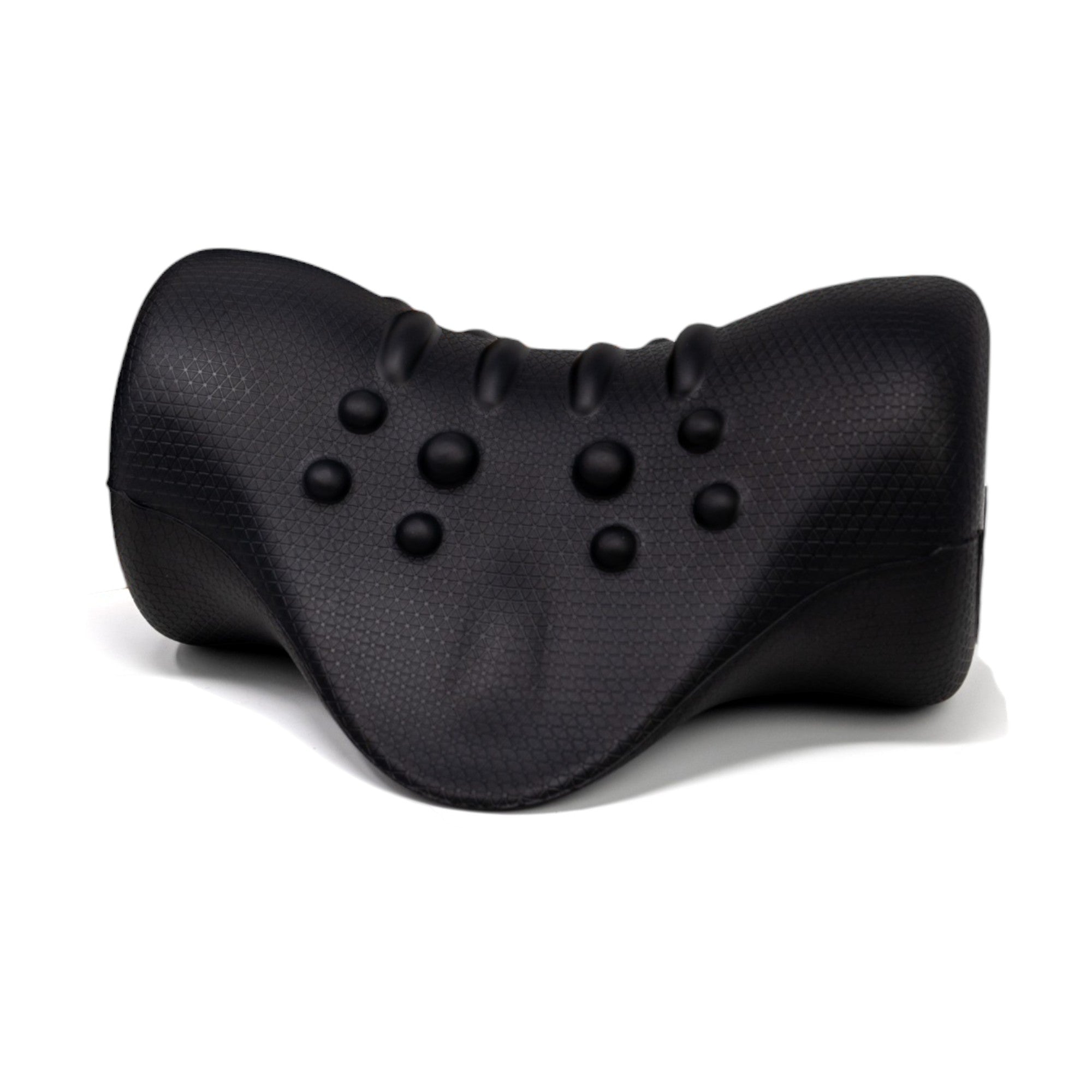
Neck Pain at Top of Neck: Causes, Relief, and Posture Support
Experiencing neck pain at top of neck can affect daily comfort, concentration, sleep quality, and overall wellbeing. Many people across Blackpool experience stiffness, tension, or discomfort near the upper neck and base of the skull, particularly after long hours sitting at desks, driving, or using digital devices.
This type of discomfort is increasingly common among office workers, remote employees, students, and individuals with poor posture habits. While mild neck pain may improve with rest and posture adjustments, ongoing discomfort can interfere with work, mobility, and quality of life if left untreated.
Understanding the causes of upper neck discomfort and learning how to manage posture, workstation setup, and muscle strain can help reduce symptoms and support long-term spinal health.
Common Causes of Neck Pain at Top of Neck
There are several reasons why people experience neck pain at top of neck, ranging from muscle tension to poor workplace ergonomics.
Poor Posture
One of the most common causes is poor posture while sitting, working, or using mobile devices. Looking downward for long periods can place extra strain on the muscles and joints surrounding the upper neck.
Prolonged Desk Work
Office workers often experience stiffness caused by sitting in one position for extended periods. Inadequate workstation support may contribute to ongoing muscle tension and discomfort.
Stress and Muscle Tension
Stress commonly causes muscle tightness in the shoulders and upper neck, which may lead to headaches and restricted movement.
Inadequate Seating Support
An unsupportive office chair can place pressure on the spine and neck muscles. Many people searching for solutions related to neck pain office chair NHS guidance are often looking for ergonomic improvements that help reduce workplace strain.
Sleeping Position
Poor sleeping posture or inadequate pillow support can also contribute to upper neck discomfort and stiffness.
How Workplace Ergonomics Affect Neck Health
Modern working environments have significantly increased the number of people experiencing neck discomfort. Long hours at desks combined with poor posture and inadequate seating can place ongoing strain on muscles and joints.
Using ergonomic furniture and maintaining proper posture may help reduce symptoms associated with neck pain office chair NHS recommendations.
Important ergonomic adjustments include:
- Keeping screens at eye level
- Supporting the lower back properly
- Using adjustable chairs
- Keeping shoulders relaxed
- Avoiding prolonged periods of sitting
- Taking regular movement breaks
For individuals spending extended hours working at desks, small ergonomic improvements can make a significant difference over time.
People seeking professional wellbeing and posture support can explore services available through Lyfe Focus.
Symptoms Often Associated With Upper Neck Pain
People experiencing neck pain at top of neck may notice several related symptoms depending on the severity and underlying cause.
Common symptoms include:
- Stiffness near the base of the skull
- Headaches or tension headaches
- Pain when turning the head
- Shoulder tightness
- Reduced neck mobility
- Muscle tenderness
- Discomfort after desk work
If symptoms persist, worsen, or are accompanied by numbness or severe pain, professional medical advice should be sought.
Ways to Help Relieve Neck Pain
There are several practical ways individuals can help reduce discomfort and improve neck mobility.
Improve Posture
Maintaining proper posture while sitting, standing, and using devices can help reduce strain on the upper neck muscles.
Use Ergonomic Seating
Adjustable chairs with proper neck and lumbar support may improve comfort during long working hours.
Gentle Stretching
Neck stretches and mobility exercises may help reduce tension and improve flexibility.
Regular Movement
Taking short breaks throughout the day helps prevent muscles from becoming stiff from prolonged sitting.
Sleep Support
Choosing a supportive pillow and maintaining proper sleeping posture may help reduce overnight strain.
The NHS Guidance on Neck Pain also provides useful information on managing mild neck discomfort safely.
Why Neck Pain Is Increasing in Modern Workplaces
Across Blackpool and wider Lancashire, more people are experiencing posture-related discomfort due to increased screen time and sedentary working habits.
Remote work and office-based environments often contribute to:
- Poor sitting posture
- Reduced movement
- Repetitive strain
- Increased muscle tension
- Limited ergonomic support
This growing issue highlights the importance of workplace wellbeing, ergonomic assessments, and posture education.
Businesses that prioritise employee wellbeing often experience improved productivity, reduced absenteeism, and healthier working environments overall.
When to Seek Professional Support
Although mild discomfort may improve with posture adjustments and stretching, persistent symptoms should not be ignored.
Professional support may be beneficial if:
- Pain lasts several weeks
- Symptoms worsen over time
- Headaches become frequent
- Movement becomes restricted
- Pain interferes with daily activities
- Numbness or tingling occurs
Early intervention can help prevent long-term discomfort and improve overall spinal health.
Individuals looking for wellbeing support and posture-focused services can learn more through Lyfe Focus Wellness Support.
FAQs About Neck Pain at Top of Neck
What causes neck pain at top of neck?
Common causes include poor posture, prolonged desk work, muscle tension, stress, and inadequate ergonomic support.
Can office chairs affect neck pain?
Yes. Poor seating support can contribute to posture problems and muscle strain, which may worsen upper neck discomfort.
When should I seek medical advice for neck pain?
Medical advice should be sought if pain becomes severe, lasts several weeks, restricts movement, or is accompanied by numbness or tingling.
Contact Lyfe Focus Today
If you are experiencing ongoing neck pain at top of neck or looking for workplace wellbeing support in Blackpool, Lyfe Focus provides professional guidance designed to support posture, comfort, and overall wellbeing.
From ergonomic wellbeing support to practical lifestyle guidance, Lyfe Focus helps individuals and businesses across Lancashire improve health, comfort, and workplace wellbeing. Contact Us Now

Neck Stretcher (Black)
Ease neck tension and restore natural posture with targeted support.
Shop Now →