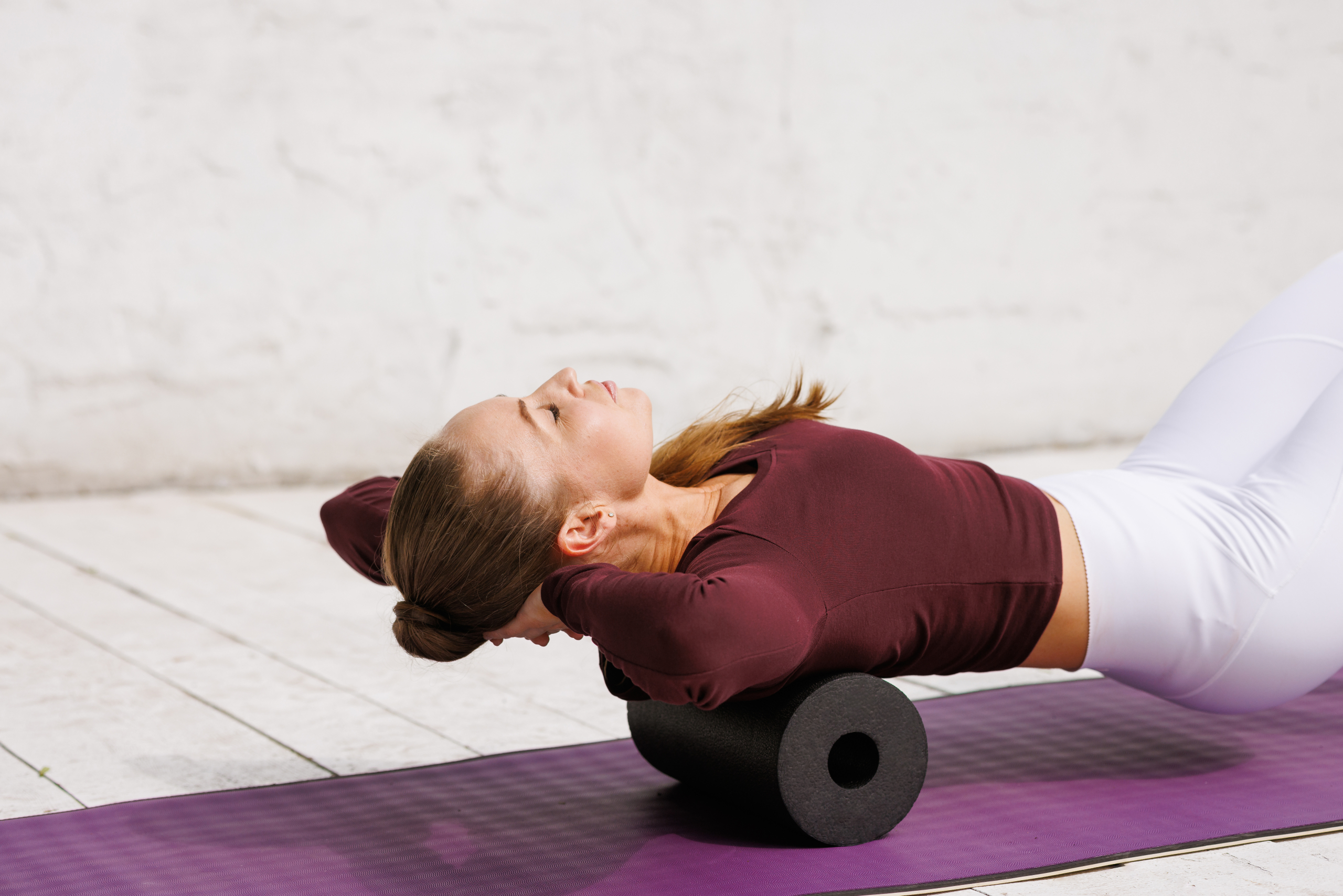
Foam Roller for Massage Therapy: Your Natural Solution for Back Pain Relief in Preston
If you live in Preston or anywhere across Lancashire, you’ll know how physically demanding daily life can be — whether you’re on your feet all day in a warehouse, sitting at a desk for hours, or keeping up with an active lifestyle. Back pain has a way of creeping up on even the healthiest of us, and when it does, the search for effective, affordable relief begins. A foam roller for massage therapy could be exactly the tool you’ve been missing.
In this guide, we’ll walk you through how foam rolling works, why it’s so effective for conditions like a muscle pull in back, back strain, and back sprain, and how to use it as part of a smart, proactive recovery routine.
What Is a Foam Roller and How Does It Work?
A foam roller is a cylindrical piece of dense foam used to perform self-myofascial release (SMR) — a fancy term for self-massage. By applying targeted pressure to tight or sore muscle groups, foam rolling helps break up adhesions (knots) in the soft tissue, improve blood circulation, and restore normal muscle function.
Think of it as having a sports massage therapist available at home, 24 hours a day, at a fraction of the cost.
When used consistently, a foam roller for massage therapy can reduce muscle soreness, improve flexibility, and speed up recovery — making it a go-to tool for athletes, office workers, and everyone in between.
Can a Foam Roller Help with a Muscle Pull in Back?
Yes — and this is where foam rolling really shines. A muscle pull in back typically occurs when the muscle fibres are overstretched or torn, often through sudden movement, poor posture, or overexertion. The result is localised pain, stiffness, and restricted movement.
Foam rolling the surrounding muscle groups — rather than directly over the injury site — can help reduce tension, ease inflammation, and support recovery. Always consult a healthcare professional before beginning any self-treatment if your injury is severe.
According to the NHS guidance on sprains and strains, gentle movement and self-care are encouraged during recovery, provided pain is manageable and no serious damage is suspected.
Treatment for Back Strain: How to Use a Foam Roller Safely
Here’s a simple foam rolling routine tailored to back strain recovery:
- Upper Back Release Sit on the floor with the foam roller behind you, just below your shoulder blades. Support your head with your hands, and slowly roll up and down across your upper back. Pause on any tender spots for 20–30 seconds.
- Glute and Hip Flexor Roll Tight glutes and hip flexors are a major contributor to lower back tension. Sit on the roller, cross one ankle over the opposite knee, and lean into the glute of the crossed leg. Roll slowly, breathing deeply.
- Thoracic Spine Mobilisation For those in Preston dealing with desk-job posture, thoracic spine stiffness is common. Position the roller across your mid-back and gently extend over it, opening the chest and releasing tension across the entire spine.
Spend 5–10 minutes per session, two to three times daily during recovery. Explore our full range of pain relief and recovery products at LyfeFocus to complement your foam rolling routine.
Who Benefits Most from Foam Rolling in Lancashire?
Foam rollers aren’t just for elite athletes. Across Preston and the wider Lancashire region, they’re being used by:
- Office workers managing posture-related back pain
- Tradespeople and manual workers dealing with occupational muscle strain
- Weekend warriors recovering from sports injuries
- Older adults looking to maintain flexibility and mobility
If you’re experiencing recurring back sprain or general muscle tightness, making foam rolling part of your daily routine can have a genuinely transformative effect on your quality of life.
FAQs: Foam Roller for Massage Therapy in Preston
Is a foam roller safe to use on a back sprain?
In most cases, yes — once the acute phase has passed. Avoid rolling directly over the injured area and instead focus on surrounding muscle groups. If you’re unsure, speak to a physiotherapist or GP before starting.
How often should I foam roll for treatment for back strain?
Most recovery specialists recommend foam rolling for 5–10 minutes, two to three times per day during the recovery period. Once healed, daily maintenance rolling can help prevent future injury.
Can foam rolling replace professional massage therapy?
Foam rolling is an excellent complement to professional therapy, but not a full replacement. It provides accessible, daily relief between appointments and helps maintain the benefits of professional treatment for longer.
Where can people in Preston buy a quality foam roller?
You can browse a curated selection of foam rollers and recovery tools through LyfeFocus’s online store — with options suited to beginners and experienced users alike, delivered straight to your door.
Ready to Tackle Back Pain? Get in Touch with LyfeFocus
Whether you’re managing a muscle pull in back, recovering from a back strain, or simply want to stay on top of your wellbeing, a foam roller for massage therapy is one of the smartest investments you can make in your health.
At LyfeFocus, we’re passionate about helping people across Preston and Lancashire move better and live pain-free. Have a question about which product is right for you, or want personalised advice on your recovery journey? Get in touch with our friendly team today — we’d love to help.
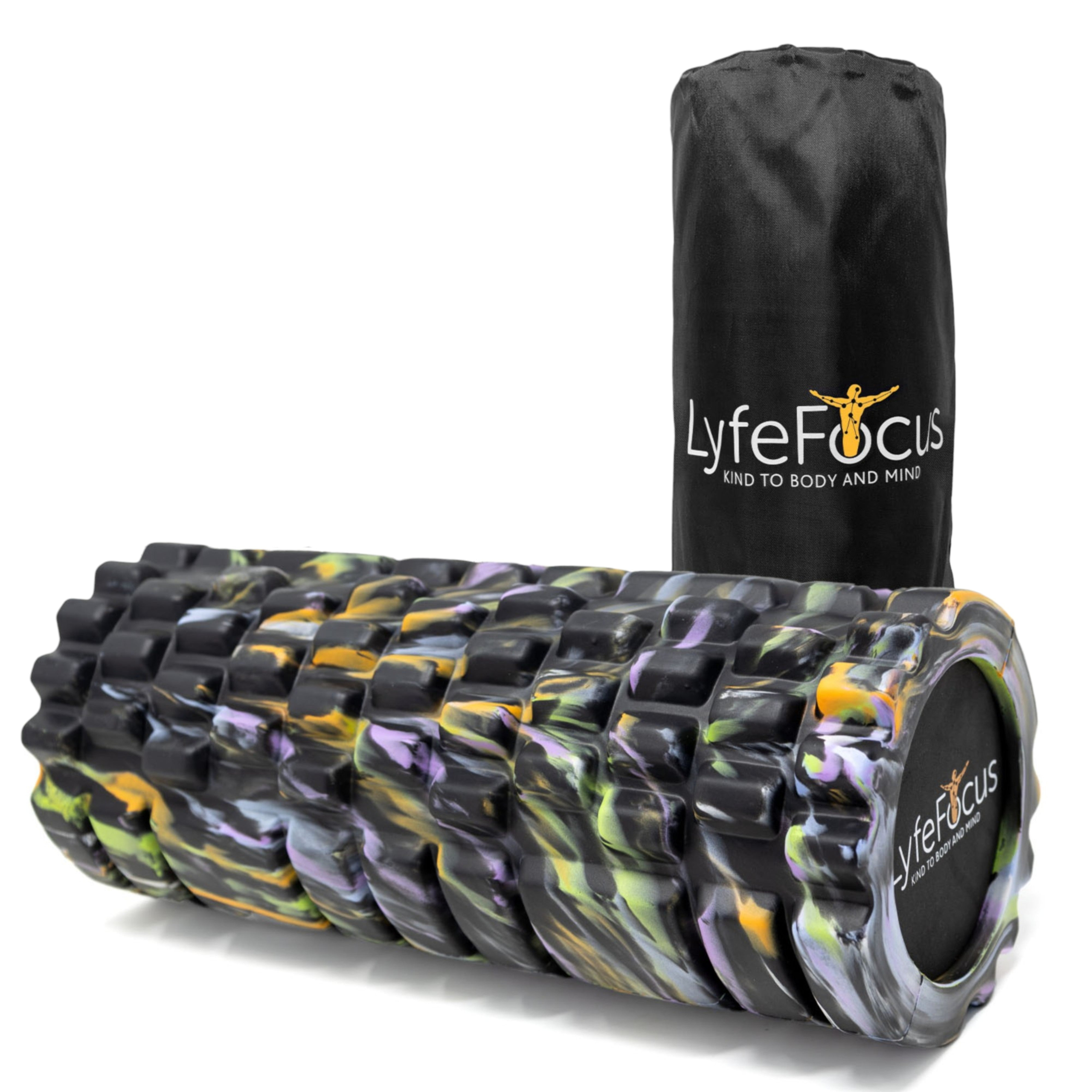
Roll out tension and recover faster wherever you go.
Foam Roller (Multi-Colour)
Related posts:
 Do Posture Correctors Work? Here’s How To Use One Without Making Things Worse
 Back Support Belt For Lower Back Pain: When It Helps, When It Hurts, And How To Pick One
 Massage Ball For Knots: How To Release Upper Back And Neck Tension In 5 Minutes
 Best Sleeping Position for Lower Back Pain: Practical Guidance for Better Comfort and Recovery

