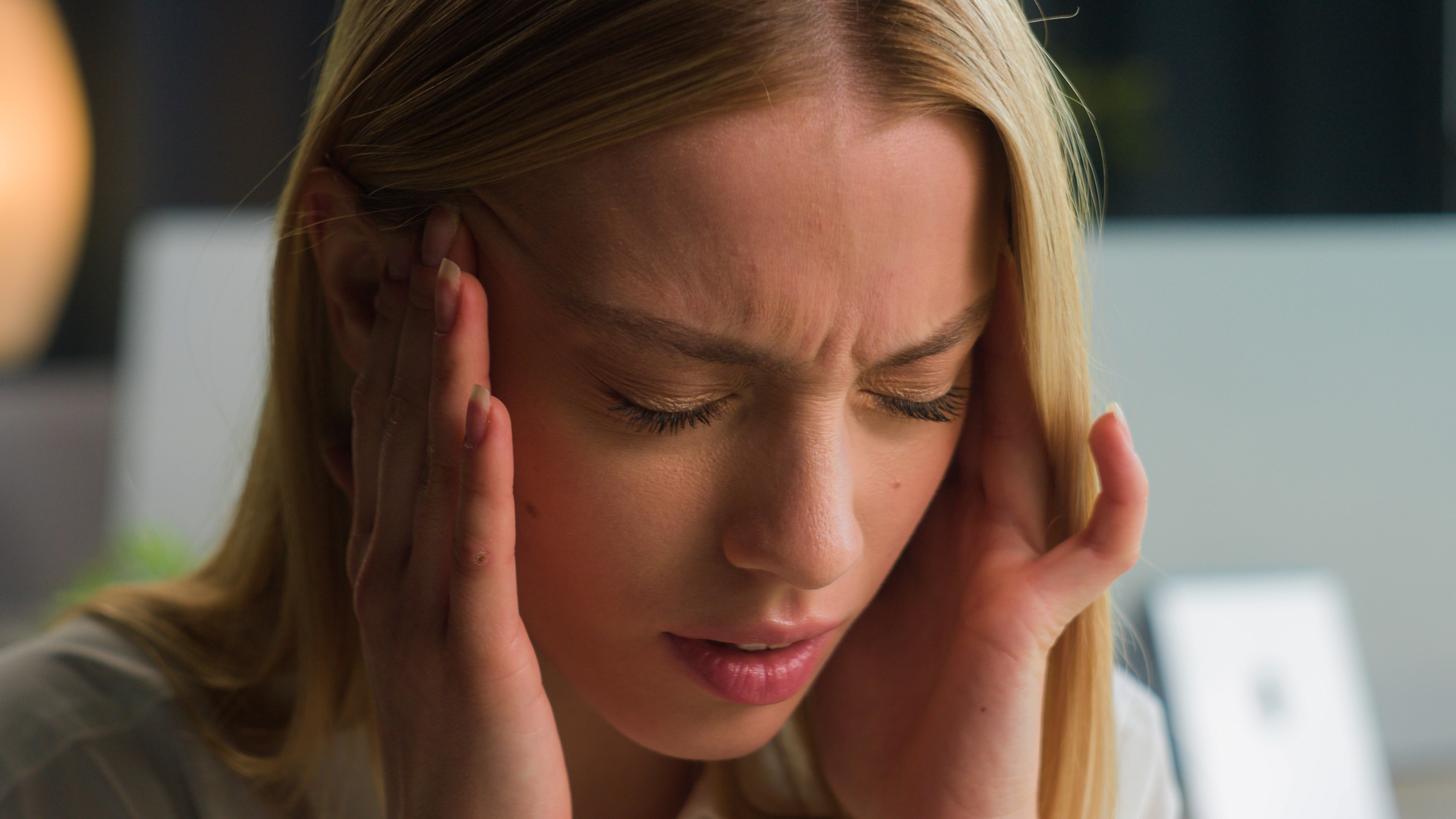
Headache Relief: 8 Effective Ways to Stop the Pain Fast
Around 10 million people in the UK get headaches regularly, and if you have ever tried to push through a workday with a thudding skull, you already know how impossible it is to focus, decide, or even think clearly. The good news is that fast headache relief does not always require medication. In most cases, simple physical and lifestyle changes can ease the pain within minutes. This guide walks you through 8 practical methods for natural headache relief, the common mistakes that make pain worse, and when it is time to see a doctor.
Common Causes of Headaches and What Slows Headache Relief
Most headaches fall into a few categories: tension, migraine, sinus, and cluster. Tension headaches account for the vast majority of everyday cases. These are usually triggered by a buildup of muscle tightness in the neck, shoulders, and upper back, often from poor posture, long hours at a screen, dehydration, or stress.
Understanding what is driving your headache makes choosing the right relief method far easier. Cold packs, for example, work better for migraines, while heat tends to work better for tension headaches. Caffeine can ease one person’s pain and worsen another’s. Knowing the difference saves time and frustration. The methods below target the most common physical triggers, the things you can actually control without a prescription.
Method 1: Hydrate for Fast Headache Relief
Mild dehydration is one of the most underrated headache triggers. Even a 1 to 2 percent drop in your body’s water levels can constrict blood vessels in the brain, leading to that classic dull, tight ache across the temples and forehead.
If you feel a headache starting, drink 300 to 500ml of water immediately, then sip steadily over the next hour. Add a pinch of salt or an electrolyte tablet if you have been sweating, exercising, or drinking coffee all morning. This is often the quickest headache relief you can give yourself with zero side effects.
Simple ways to stay ahead of dehydration headaches:
- Keep a one-litre water bottle on your desk and refill it twice a day
- Drink a full glass of water with every meal
- Cut back on alcohol the night before busy or stressful days
Method 2: Apply Heat for Tension Headache Relief
If your headache feels like a tight band around your head, or starts at the base of your skull and creeps forward, you are likely dealing with a tension headache. The fastest fix is heat, applied directly to the muscles that are causing the pain.
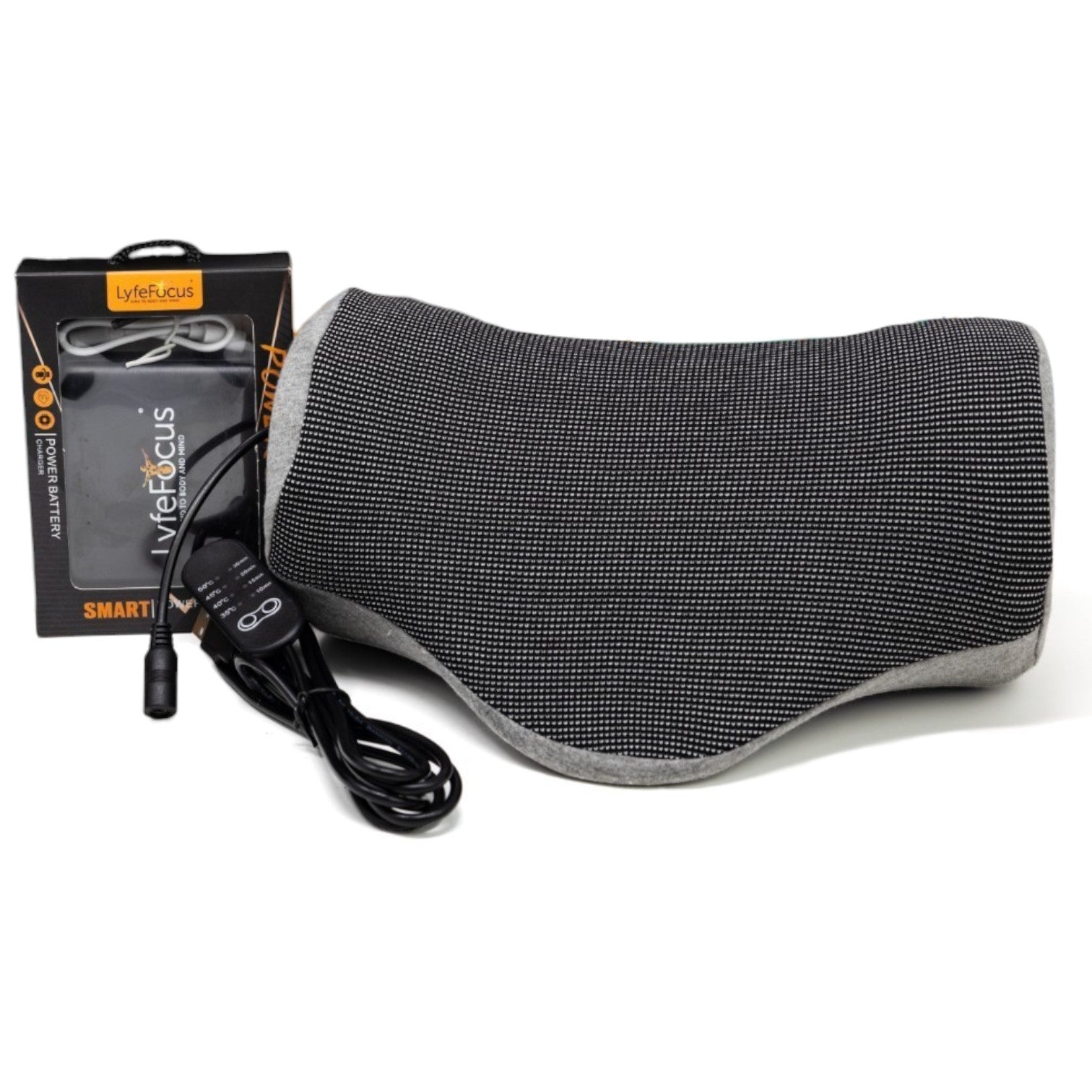
Warm, sustained pressure on the back of the neck and upper traps loosens tight tissue, increases blood flow, and calms the nerves that radiate pain up into the scalp. A heated neck stretcher works particularly well here because it combines targeted warmth with a gentle stretch that decompresses the cervical spine, addressing both the muscle tension and the postural strain at the same time.
For best results, apply heat for 15 to 20 minutes, then rest your neck in a neutral position. Avoid stacked pillows or hunched screen posture for the next hour while the muscles recover.
Method 3: Use Pressure Point Massage
Pressure point therapy is a centuries-old technique that is surprisingly effective for fast headache relief, and the best part is you can use it anywhere: at your desk, in bed, even on a train. Specific points on your hands, face, and neck connect to nerve pathways that influence head pain, and applying firm pressure for under a minute can take the edge off in minutes.
The two most useful points are the LI-4 point (the soft web between your thumb and index finger) and the GB-20 points (the small hollows where your neck meets the base of your skull). Press firmly for 30 to 60 seconds while breathing slowly through your nose.
For a complete walkthrough with diagrams and step-by-step instructions, see our guide to headache pressure points, which covers six points you can use whenever a headache strikes.
Method 4: Fix Your Posture and Workstation
Forward head posture, the position most of us drift into while staring at a screen, adds roughly 4.5kg of effective load to your cervical spine for every inch your head moves forward. That constant strain triggers tension headaches, especially in the late afternoon when your neck muscles are fatigued and inflamed.
Quick posture corrections that make a noticeable difference within a week:
- Raise your screen so the top of the monitor sits at eye level
- Pull your shoulders back and tuck your chin slightly
- Adjust your chair so your hips sit slightly above your knees
- Take a 60-second posture reset every 30 minutes
If you struggle to hold posture through long workdays, a posture corrector or lower back support belt makes the habit much easier to keep up automatically rather than fight to remember.
Method 5: Take a Screen Break
Digital eye strain causes headaches that feel like pressure behind the eyes and across the forehead. Hours of close screen focus tire the small muscles that control your eye lens, and the strain refers pain into the head and temples.
The fix is the 20-20-20 rule: every 20 minutes, look at something at least 20 feet away for 20 seconds. Blink fully each time to re-moisten your eyes. Pair this with screen brightness that matches the room (too bright and too dim both worsen strain) and reduce blue light in the evening for steadier headache relief throughout long workdays.
Method 6: Prioritise Restorative Sleep
Both too little and too much sleep can trigger headaches the next day. Most adults need 7 to 9 hours, but the consistency of your sleep matters as much as the duration. Going to bed and waking at the same time daily, even on weekends, keeps your circadian rhythm stable and reduces headache frequency.
Sleep habits that support long-term headache relief:
- Keep your room cool and dark (16 to 18°C is ideal)
- No screens for the last 30 to 60 minutes before bed
- Use a supportive pillow that keeps your neck neutral, not bent up or down
- Avoid caffeine after 2pm and heavy meals within three hours of sleep
Method 7: Use Caffeine Strategically
Caffeine is a double-edged sword for headaches. In small doses (50 to 100mg, roughly half a cup of coffee), it constricts blood vessels and can ease a starting headache within 30 minutes. That is why caffeine is included in many over-the-counter pain relievers.
But too much caffeine, or going without it after a regular daily habit, causes rebound headaches that are often worse than the original. If you rely on three or four coffees a day, taper down gradually rather than quitting cold turkey. Stick to a consistent daily amount instead of bingeing on busy mornings and crashing later. Steady intake is the key to using caffeine for headache relief rather than against it.
Method 8: Practise Deep Breathing to Cut Stress
Stress is one of the most common headache triggers, and it works through your nervous system rather than your bloodstream. When you are under pressure, you tend to clench your jaw, raise your shoulders, and breathe shallowly into your chest. All three contribute to head and neck pain.
A simple two-minute reset, sometimes called box breathing:
- Inhale through your nose for a count of four
- Hold for a count of four
- Exhale slowly through your mouth for a count of six
- Repeat for 10 cycles
This pattern lowers your heart rate, releases neck and jaw tension, and often takes the edge off a stress-triggered headache before it fully builds.
Common Mistakes That Sabotage Headache Relief
Even with the right tools, a few habits can undo your progress and make headaches worse over time. The biggest mistakes to avoid:
- Overusing painkillers: taking ibuprofen or paracetamol more than two or three days a week can cause medication-overuse headaches
- Ignoring early warning signs and pushing through hours of work before reacting
- Skipping meals, which drops blood sugar and triggers tension and migraines alike
- Sleeping with too many pillows, which forces the neck into a bent position all night
- Treating every headache the same: what helps a tension headache often makes a migraine worse
Catch headaches early and match the method to the cause. The faster you act, the less likely a mild ache is to escalate into a full-day problem.
When to See a Doctor
Most headaches respond to simple lifestyle changes, but some warrant medical attention. At-home headache relief is not a substitute for medical advice when symptoms are unusual. You should see a GP if your headache is severe and sudden, does not improve with pain relief, gets worse over several days, or is accompanied by symptoms like a stiff neck, vision changes, weakness, or confusion.
For trustworthy information about types of headache and when to seek help, the NHS headaches guidance is the best starting point. Any headache that feels different from your usual pattern is worth a conversation with a clinician.
Lasting Headache Relief
Lasting headache relief comes from understanding your triggers, treating them physically with heat, hydration, and posture corrections, and building habits that stop tension from accumulating in the first place. Most people notice meaningful improvement within a couple of weeks once the muscle, posture, and stress sides of the equation become a daily priority rather than an afterthought.
If neck tension is your main trigger, the LyfeFocus Neck Stretcher With Heat is built specifically for this problem, combining a gentle decompressing stretch with soothing warmth so you can recover in just 10 minutes a day.
Have questions about LyfeFocus?
Visit our contact page to connect with our team and get the guidance you need.
Relieve neck tension, improve mobility, and relax deeply with soothing heat.
Neck Stretcher With Heat
Related posts:
 How to Fix Rounded Shoulders From Desk Work (Without Turning Your Life Into a Gym)
 Massage Ball For Knots: How To Release Upper Back And Neck Tension In 5 Minutes
 Why Does Pain Travel from Arm to Neck? 4 Effective Ways to Relief Neck and Arm Pain
 Frozen Shoulder Treatment: 6 Effective Ways to Find Relief
