Why Does Pain Travel from Arm to Neck? 4 Effective Ways to Relief Neck and Arm Pain
That dull ache creeping from your neck into your shoulder—and sometimes all the way down your arm—is one of the most disruptive types of pain you can experience. It makes concentrating hard, sleep uncomfortable, and even simple tasks like reaching for a cup feel like a challenge.
You’re not alone. Neck and arm pain is incredibly common, and the good news is that most cases respond well to the right care. Understanding why this pain happens—and what to do about it—is the first step toward feeling better.
In this article, we’ll walk you through the most common causes, the warning signs worth taking seriously, and the practical steps you can take today to ease the discomfort.
Why Does Pain Travel from Arm to Neck (and Back Again)?
The neck and arm are intimately connected through a network of nerves that originate in your cervical spine—the seven vertebrae at the top of your backbone. When something irritates or compresses one of these nerves, the pain signal doesn’t always stay put. It can radiate, travel, and appear somewhere else entirely.
This is called referred pain, and it’s why you might feel a tingling in your fingers even though the root problem is in your neck. Equally, a shoulder injury can trigger protective muscle tension that travels upward into the neck and jaw.
Common Causes of Neck and Arm Pain
There’s rarely a single culprit. Most people’s neck and arm pain comes from a combination of posture, lifestyle, and underlying structural changes. The most frequent causes include:
- Cervical disc herniation — When a disc between your vertebrae bulges or ruptures, it can press on nearby nerves, triggering sharp or burning pain that radiates down the arm.
- Cervical spondylosis (wear and tear) — Gradual degeneration of the joints and discs in the neck is extremely common from middle age onwards and can narrow the spaces through which nerves pass.
- Muscle tension and strain — Long hours at a desk, poor posture, or sleeping at an awkward angle can overload the muscles in your neck and upper back, leading to persistent aching.
- Whiplash — A sudden jolt—most often from a road accident—can stretch and damage soft tissues in the neck, sometimes causing delayed pain that spreads into the shoulders and arms.
- Thoracic outlet syndrome — Compression of nerves or blood vessels between the collarbone and first rib can produce pain, numbness, and weakness all the way into the hand.
- Rotator cuff problems — Shoulder injuries often cause referred pain up into the neck and down the outside of the upper arm.
Symptoms That Deserve Attention
Not all neck and arm discomfort is the same. Most pain from muscle tension or mild strain will ease with rest and gentle movement. But some symptoms warrant a prompt conversation with your GP or a healthcare professional.
Seek advice sooner rather than later if you notice:
- Sharp, electric, or burning pain shooting down one or both arms
- Persistent numbness, pins and needles, or weakness in your hands or fingers
- Pain that worsens at night or doesn’t improve after a week or two of self-care
- Difficulty with coordination, balance, or bladder and bowel control
- Pain following an injury or accident, however minor it seemed at the time
These can occasionally point to nerve compression that benefits from early diagnosis. Your GP can refer you for imaging or physio if needed.
What You Can Do to Ease Neck and Arm Pain
Relief doesn’t always require a waiting room. There’s a great deal you can do at home to reduce pain and prevent it from returning.
1. Posture and workspace adjustments
If you spend significant time at a desk or looking at a screen, your setup matters enormously. Your monitor should sit at eye level, your shoulders relaxed, and your feet flat on the floor. Even small adjustments can dramatically reduce the load on your cervical spine.
2. Gentle movement and stretching
Staying still often makes things worse. Gentle neck rolls, chin tucks, and shoulder blade squeezes can relieve muscle tension without putting strain on delicate structures. Aim for regular movement breaks every 45–60 minutes if you’re sitting for long periods. If you need a structured routine to follow, trying a 10-minute end-of-day reset for neck tension relief can significantly ease the tight alignment causing your discomfort.
3. Heat and cold therapy
A heat pack applied to tense neck muscles can encourage blood flow and relaxation. Cold packs work better for acute inflammation—particularly useful in the first 48 hours after a new injury. Alternate between the two to find what suits your pain best.
4. Sleep position
Your pillow plays a bigger role than most people realise. A pillow that’s too thick or too flat forces your neck into an unnatural position for hours. Sleeping on your side with a supportive pillow that keeps your head aligned with your spine is generally the most neck-friendly option.
When Professional Support Makes a Real Difference
Self-care gets you a long way, but there are times when professional guidance accelerates recovery significantly. A physiotherapist can assess the specific structures involved and build a targeted programme of exercises and manual therapy for your neck and arm.
For persistent or complex pain, your GP may refer you for an MRI scan, or suggest options such as nerve blocks, osteopathy, or—in rare cases—surgical consultation. The official NICE clinical guidelines on neck pain offer an excellent blueprint of standard clinical care journeys if you’re unsure what kind of support is right for your situation.
Could a Supportive Product Help Day to Day?
For many people, targeted support products provide meaningful relief while the underlying issue is being treated. Ergonomic pillows, posture correctors, and heat therapy wraps are all popular choices.
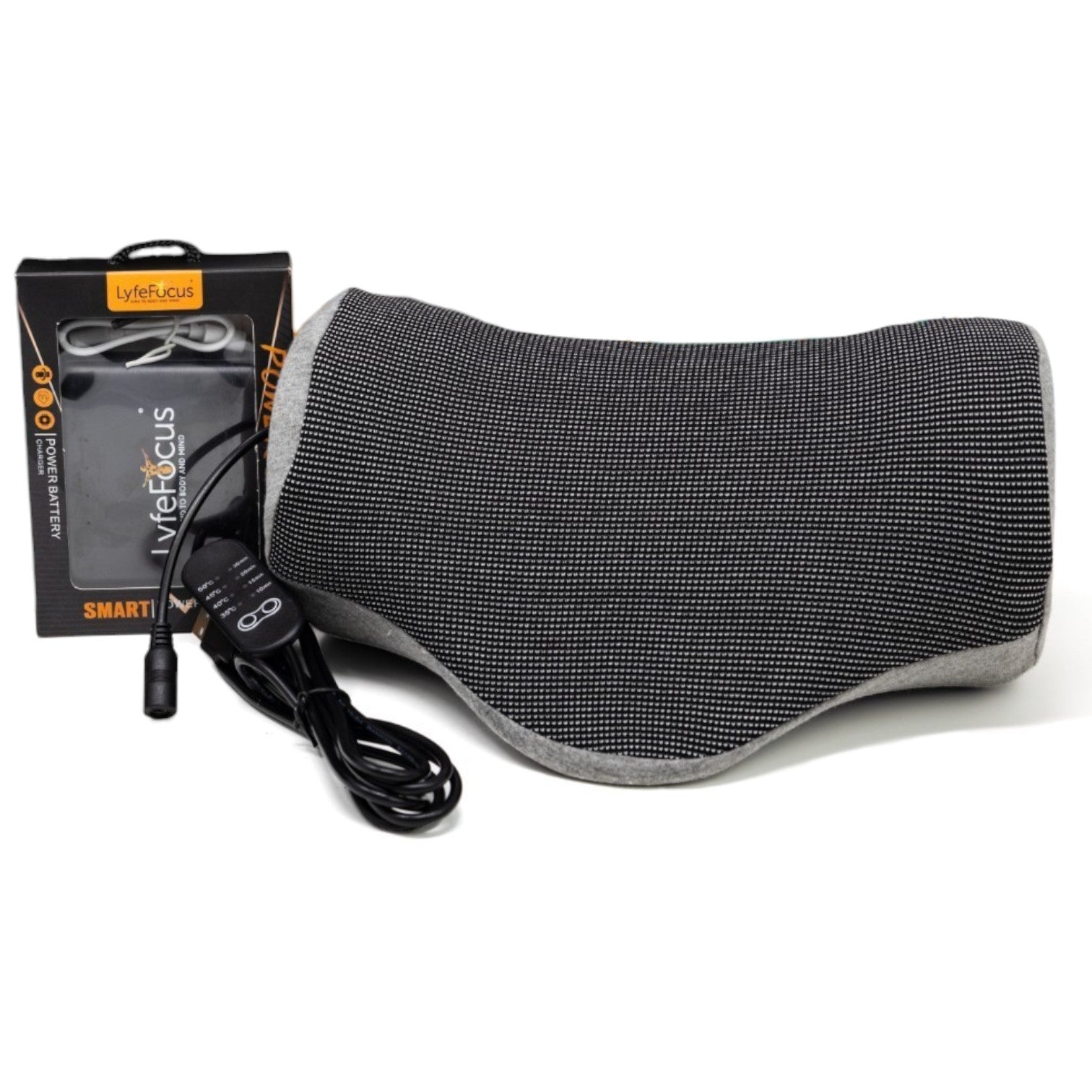
If you’re exploring options, utilizing a targeted solution like a neck stretcher with heat can help decompress the spine and restore natural alignment at home.
Key Takeaways
- Neck and arm pain are usually linked through the cervical nerves—treating them together is more effective than addressing each in isolation.
- Posture, workspace ergonomics, and regular gentle movement are your most powerful everyday tools.
- Most pain improves with time and conservative care—but numbness, weakness, or pain that worsens at night deserves professional attention.
- A physiotherapist is often the most efficient first port of call for an accurate diagnosis and personalised recovery plan.
Ready to Take the Next Step?
Have questions or want to find the right product for your needs? Get in touch with our team today and we’re here to help you move and feel better.
Relieve neck tension, improve mobility, and relax deeply with soothing heat.
Neck Stretcher With Heat