Sauna and Ice Bath: The Complete Guide to Contrast Therapy
The pairing of sauna and ice bath is one of the oldest and most physiologically powerful wellness protocols in existence. Cultures from Finland to Japan have used alternating heat and cold for centuries, not as a trend but as a practical tool for recovery, resilience, and wellbeing. Today, the sauna and ice bath combination is attracting renewed attention from athletes, biohackers, and everyday people looking for evidence-backed ways to manage stress, speed up muscle recovery, and support long-term health. This guide covers everything you need to know about combining sauna and ice bath sessions, including how each stimulus works, why the combination is more powerful than either alone, and how to build a safe, effective protocol from scratch.
What Happens to Your Body During a Sauna and Ice Bath Session
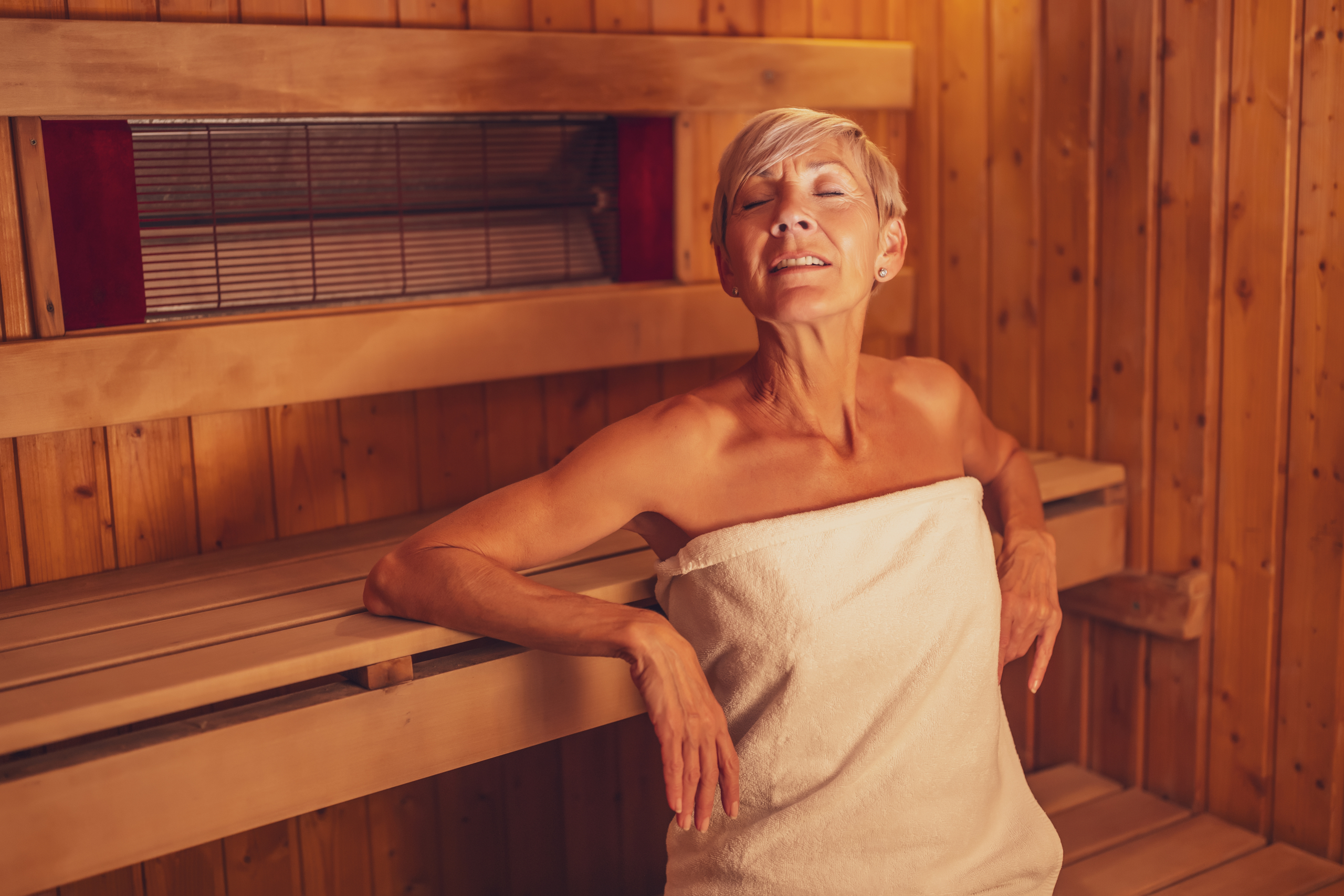
The sauna and ice bath protocol works by deliberately exposing the body to opposing thermal stresses. In the sauna, sustained heat causes the blood vessels to dilate in a process called vasodilation. Blood moves toward the skin surface, heart rate rises, and core body temperature increases. Sweating accelerates. The muscles soften and relax as heat penetrates the tissue. Endorphins are released, and cortisol levels, the body’s primary stress hormone, begin to fall.
The transition to the ice bath reverses all of this immediately. Cold water causes vasoconstriction, driving blood back toward the core to protect the vital organs. Heart rate spikes briefly before stabilising. The skin tightens, inflammation is suppressed, and the nervous system receives a sharp, clarifying shock. The Bradford District Care NHS Foundation Trust notes that cold water immersion causes blood to rush inward to maintain core temperature, producing excellent circulatory stimulus and pain-relieving effects. It is precisely this circulatory oscillation — dilation followed by constriction, repeated in cycles — that makes the sauna and ice bath combination so effective as a recovery and wellness tool.
The Key Benefits of a Sauna and Ice Bath Protocol
Accelerated Muscle Recovery
For athletes and active people, the sauna and ice bath combination is one of the fastest ways to reduce delayed-onset muscle soreness after training. The heat phase increases blood flow to fatigued muscles, delivering oxygen and nutrients while flushing out metabolic waste products including lactic acid. The cold phase reduces the inflammatory response that causes soreness, limiting swelling and tissue breakdown in the hours following exercise. Used together in a single session after training, the sauna and ice bath cycle delivers a more thorough recovery stimulus than either heat or cold alone can produce, making it a staple of high-performance athletic recovery programmes.
Cardiovascular and Circulatory Conditioning
Each sauna and ice bath cycle trains the cardiovascular system by forcing the blood vessels through repeated cycles of dilation and constriction. Over time, this vascular exercise improves the elasticity and responsiveness of the vessel walls, which supports healthy blood pressure and circulation. Regular sauna and ice bath use has been associated in Nordic health research with improved cardiac function and reduced risk of cardiovascular events, effects that reflect the sustained conditioning effect of repeated thermal contrast on the circulatory system.
Mental Resilience and Stress Reduction
The psychological benefits of a sauna and ice bath protocol are as significant as the physical ones. The heat of the sauna produces a deep parasympathetic relaxation response, reducing the anxiety and mental tension that accumulates during a demanding day. The transition to the ice bath then demands a brief but intense act of voluntary discomfort tolerance, requiring controlled breathing and deliberate calm in the face of a strong physical shock. This repeated practice of entering discomfort calmly and breathing through it builds genuine mental resilience over time. Many people who practise sauna and ice bath regularly report that the controlled stress inoculation of the cold phase makes everyday stressors feel more manageable by comparison.
Immune System Support
Both elements of the sauna and ice bath combination stimulate the immune system through different mechanisms. The heat of the sauna raises core body temperature in a way that mimics a mild fever, activating immune cell production and improving the body’s surveillance and defence responses. The cold phase of the ice bath stimulates the release of noradrenaline and increases white blood cell activity. Together, regular sauna and ice bath sessions create a sustained pattern of immune stimulation that may reduce the frequency and severity of common illness, a benefit reported consistently by long-term practitioners of contrast therapy.
How to Structure a Sauna and Ice Bath Protocol
The most effective sauna and ice bath protocol alternates between heat and cold in defined cycles. A standard approach for beginners looks like this:
- Round 1: 10 to 15 minutes in the sauna at 70 to 90 degrees Celsius, followed by 2 to 3 minutes in the ice bath at 10 to 15 degrees Celsius. Exit and rest for 5 minutes at room temperature.
- Round 2: Repeat the sauna and ice bath cycle. As acclimatisation improves, the cold immersion can be extended to 5 minutes and the sauna phase to 15 to 20 minutes.
- Round 3 (optional): A third cycle further amplifies the circulatory conditioning effect. Most people find two full cycles sufficient for meaningful benefit and complete the session with the ice bath phase, ending cold rather than hot to prolong the anti-inflammatory effect.
The sauna and ice bath session should always end with a period of rest and gradual rewarming, not immediate strenuous activity. Give the body 15 to 20 minutes to stabilise before returning to normal activity. Hydration is essential throughout: the sauna phase produces significant fluid loss through sweat, and the cold phase suppresses the thirst response, making it easy to underestimate how much water you need.
Sauna and Ice Bath: Safety Considerations
The sauna and ice bath protocol is safe for most healthy adults when approached sensibly, but there are important boundaries to respect. People with cardiovascular conditions, high blood pressure, Raynaud’s phenomenon, or any condition that affects thermoregulation should consult their GP before attempting a sauna and ice bath protocol. Pregnant women should avoid both the sauna and ice bath combination entirely. Never use either the sauna or ice bath alone without someone nearby, particularly during the first few sessions, when the body’s response to thermal contrast can be more pronounced than anticipated.
The transition between sauna and ice bath should be carried out without rushing. Exit the sauna, take a moment to breathe, then enter the cold water gradually. Avoid jumping or diving into the ice bath. Lower yourself in slowly and focus on controlled, steady breathing to manage the cold shock response. If you feel dizzy, nauseous, or experience chest discomfort at any point during a sauna and ice bath session, exit immediately and rest in a warm, safe position.
Building a Sauna and Ice Bath Routine at Home
Access to a sauna is no longer a barrier to experiencing the benefits of contrast therapy. Portable infrared saunas and traditional barrel saunas are increasingly available for home installation, and the ice bath element of the protocol can be managed entirely with a quality portable ice bath tub. At-home sauna and ice bath routines typically run two to three times per week, which is sufficient to produce meaningful adaptations in recovery, circulation, and mental resilience without overtaxing the body’s thermoregulatory systems.
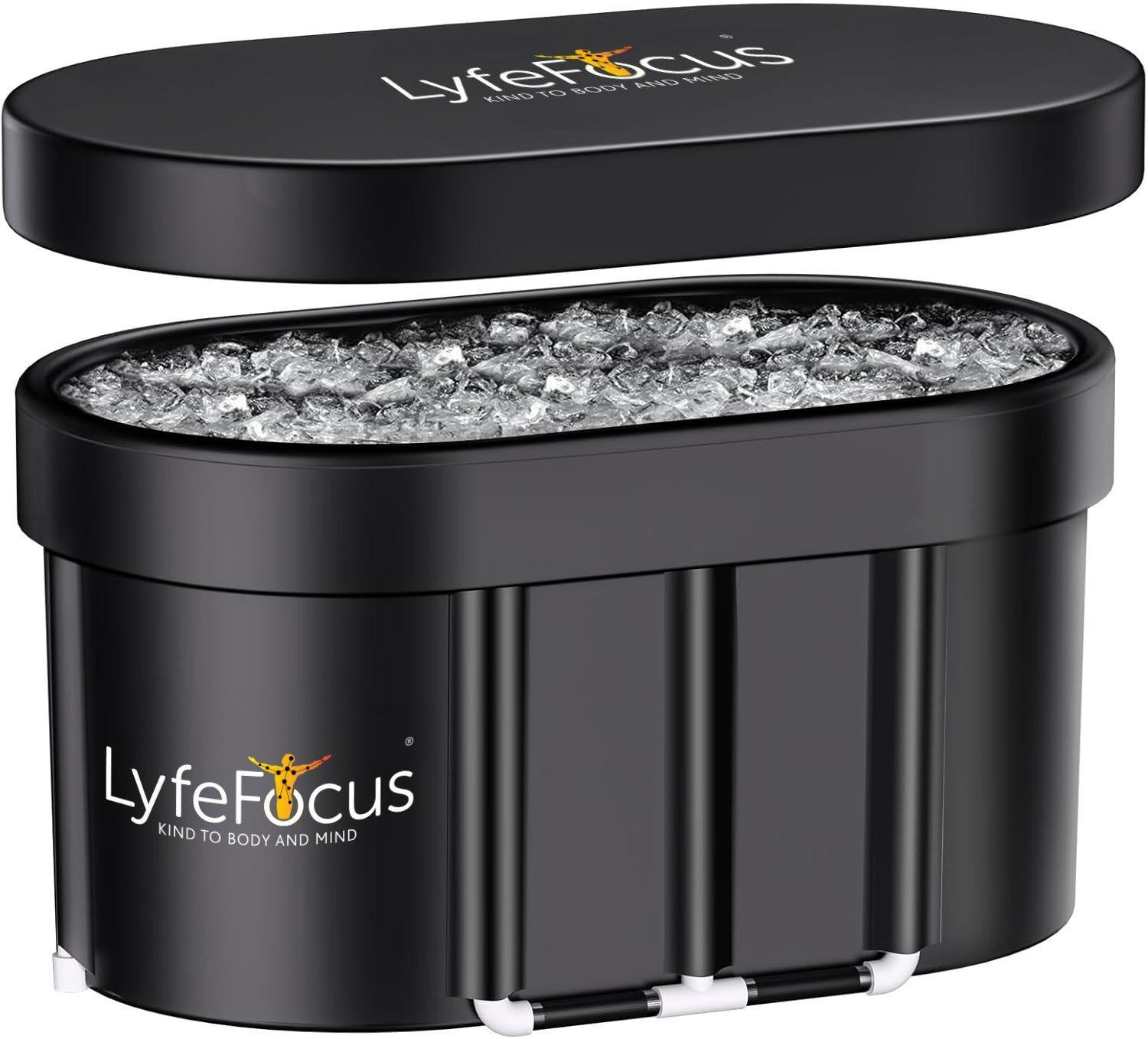
For the cold immersion element, a dedicated portable ice bath designed for sustained cold therapy is far more practical than improvising with a standard bathtub. A purpose-built ice bath maintains consistent temperature across the session, accommodates full-body immersion, and includes the insulation and drainage features that make regular use genuinely convenient rather than a logistical effort each time.
Taking the First Step
The sauna and ice bath combination is one of the most evidence-supported, time-tested wellness protocols available to anyone willing to commit to it consistently. It requires no specialist knowledge, no expensive membership, and no complex equipment beyond a heat source and a cold water vessel. Start with a single sauna and ice bath cycle, two to three times per week, and give it four to six weeks before judging the results. The improvements in recovery, energy, mood, and sleep quality that most people report within the first month make the initial discomfort of the cold phase feel entirely worthwhile. Have questions about getting set up at home? Our team is happy to help via our support page.
Upgrade your recovery with an immersive, full-body ice bath experience.
Ice Bath (Black Top)