Hot Cold Pack for Lower Back Pain: 5 Proven Relief Tips
Lower back pain has a way of showing up at the worst times. A long shift on your feet, an afternoon hunched over a laptop, or simply getting out of bed the wrong way can leave your lower back tight and aching.
A hot cold pack for lower back pain is one of the simplest tools you can reach for when this happens. Used the right way, it can ease tension within minutes.
Using it the wrong way, though, means missing out on most of the benefit.
This guide walks through exactly how to use a hot cold pack for lower back pain, when to choose heat over cold, and the mistakes that quietly reduce how effective each session is.
Who Benefits From a Hot Cold Pack for Lower Back Pain?
Almost anyone dealing with lower back tightness can benefit, but a few groups get particularly good results.
Desk workers who sit for long stretches often develop stiffness from staying in one position too long. A hot cold pack for lower back pain gives quick relief before that stiffness turns into a bigger problem.
People recovering from minor strains, gardeners, and anyone on their feet all day for work also find it useful. It fits easily into an evening routine without requiring any special equipment.
Even people without a specific injury often keep a hot cold pack for lower back pain on hand simply for general tension relief after a long day.
What Is a Hot Cold Pack, and How Does It Help Lower Back Pain?
A hot cold pack is a reusable therapy pack that can be warmed in the microwave or chilled in the freezer, depending on what your muscles need.
Using a hot cold pack for lower back pain works because heat and cold affect the body in different ways.
Heat increases blood flow to the area, relaxing tight muscles and easing stiffness. Cold does the opposite, numbing the area and reducing inflammation after a strain or flare-up.
Knowing which one to reach for is the first step to getting real relief from a hot cold pack for lower back pain.
How to Use a Hot Cold Pack for Lower Back Pain: Step-by-Step
Once you understand the basics, using a hot cold pack for lower back pain becomes part of a simple daily routine. Follow these five steps for the best results.
- Choose heat or cold based on your symptoms. Use cold for a fresh strain or flare-up, and heat for ongoing stiffness or tension.
- Prepare the pack correctly. Warm it in the microwave in short bursts, or chill it in the freezer for at least two hours before use.
- Protect your skin. Always use the fabric cover provided, or wrap the pack in a thin towel before applying it directly to your lower back.
- Apply for fifteen to twenty minutes. Leave the pack in place, checking your skin every few minutes to make sure it feels comfortable rather than uncomfortable.
- Rest in a supported position. Lie down or sit with good back support while the pack works, rather than staying hunched over a desk.
This straightforward sequence is the core of how to use a hot cold pack for lower back pain safely.
Whether you are dealing with a new strain or ongoing tightness, sticking to these steps helps you get consistent results every time.
Choosing Heat or Cold With a Hot Cold Pack for Lower Back Pain
Deciding between heat and cold is often the part people get wrong. As a general rule, cold therapy works best in the first 48 to 72 hours after an injury or sudden flare-up, when swelling and inflammation are highest.
Heat therapy is better suited to chronic tightness, muscle stiffness, and pain that builds up gradually from sitting or poor posture.
A Cochrane review of heat and cold therapy for low back pain found that heat wrap therapy provided a small but meaningful short-term reduction in pain, particularly when combined with movement or light exercise.
If you are ever unsure which to use, starting with cold for a new injury and switching to heat once the initial swelling has settled is a safe general approach.
This simple rule of thumb takes the guesswork out of using a hot cold pack for lower back pain, even if you are dealing with a flare-up you have not experienced before.
Common Mistakes to Avoid
Even a simple tool like a hot cold pack can be used in ways that limit how effective it is. Here are the mistakes worth avoiding.
- Applying it directly to bare skin. Always use a cover or cloth barrier to avoid burns from heat or skin irritation from cold.
- Leaving it on too long. More than twenty minutes at a time does not speed up relief and increases the risk of skin irritation.
- Using heat on a fresh injury. Heat can increase swelling in the first couple of days, so cold is usually the safer choice early on.
- Falling asleep with the pack in place. Extended, unmonitored contact raises the risk of burns, especially with heat.
- Switching between heat and cold too quickly. Give your skin time to return to a normal temperature before switching, rather than alternating back to back.
Avoiding these habits makes a noticeable difference to how well a hot cold pack for lower back pain actually works over time.
Small adjustments like these are often the difference between a session that barely helps and one that leaves you feeling noticeably looser.
Tips for Getting the Most from a Hot Cold Pack for Lower Back Pain
Consistency matters more than intensity. A short session once or twice a day tends to help more than one long session used occasionally.
Pairing your hot cold pack for lower back pain with gentle movement, like short walks or light stretching, tends to speed up recovery compared to rest alone.
Staying hydrated also supports muscle recovery, since tight, dehydrated tissue tends to respond less well to both heat and cold.
If your lower back pain is severe, does not improve after a few days, or comes with numbness or tingling down your leg, it is worth speaking to a healthcare professional rather than relying on heat or cold alone.
Find out for more pain and stress and look at how tools like hot and cold therapy fit into a wider routine for managing everyday aches.
Frequently Asked Questions
Can I use a hot cold pack for lower back pain every day? Yes, daily use is generally safe as long as you follow the recommended time and avoid direct skin contact.
Is heat or cold better for a pulled muscle? Cold is usually best in the first 48 to 72 hours, then heat can help once the initial inflammation has settled.
How long should I leave a hot cold pack on my back? Fifteen to twenty minutes per session is the general guideline, with a break before reapplying.
Can a hot cold pack for lower back pain replace seeing a doctor? No. It helps manage everyday tightness and minor strains, but ongoing or severe pain should always be checked by a professional.
Ready to Get Started
Learning how to use a hot cold pack for lower back pain is a small habit that can make a real difference to how your back feels day to day.
Start with the basics, choose heat or cold based on your symptoms, and give each session the time it needs to actually work.
Questions before you buy? Our support team is ready to help, so get in touch with us if you are not sure which option suits your situation.
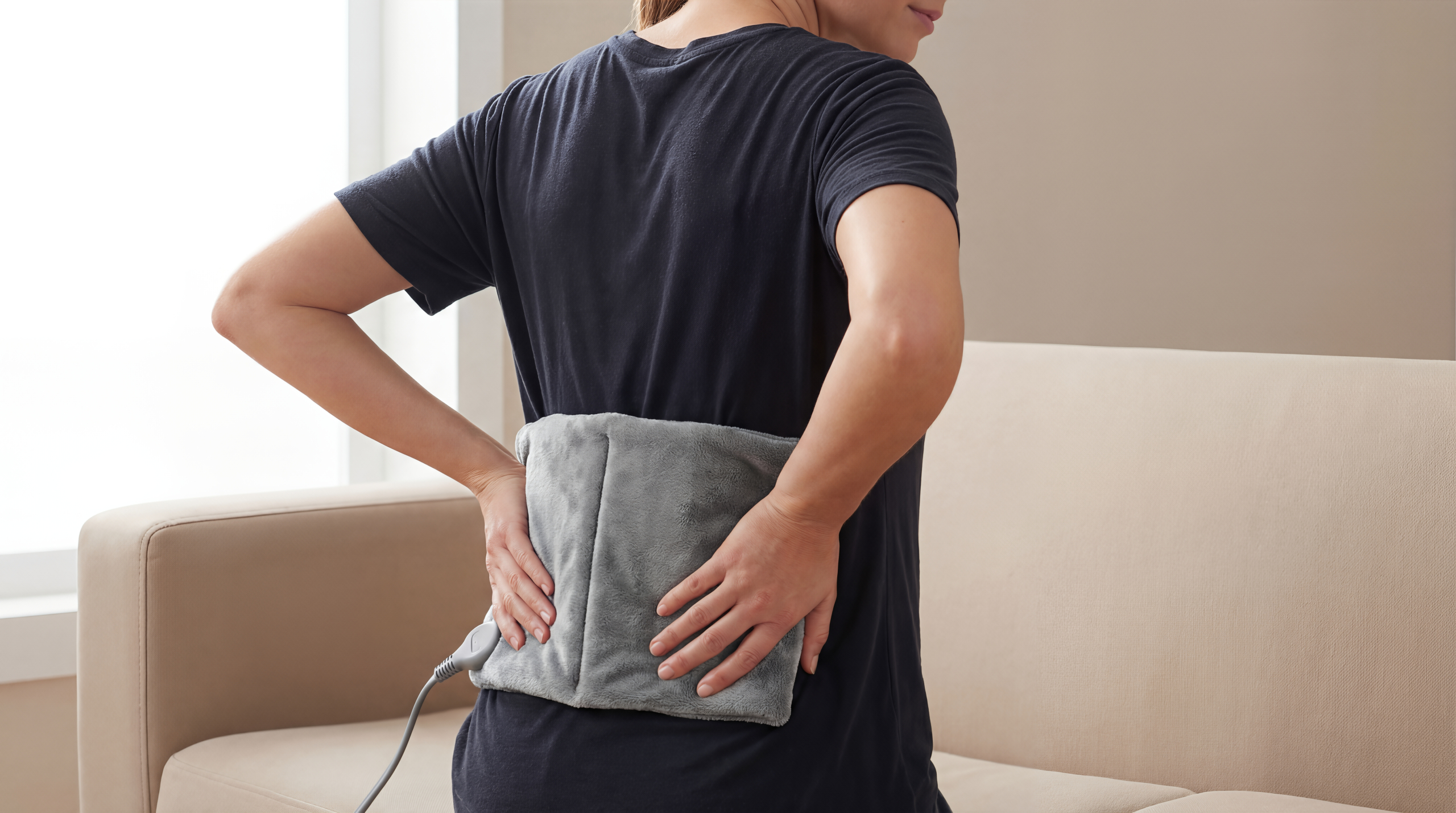
Ease tension fast with full-back hot or cold relief.
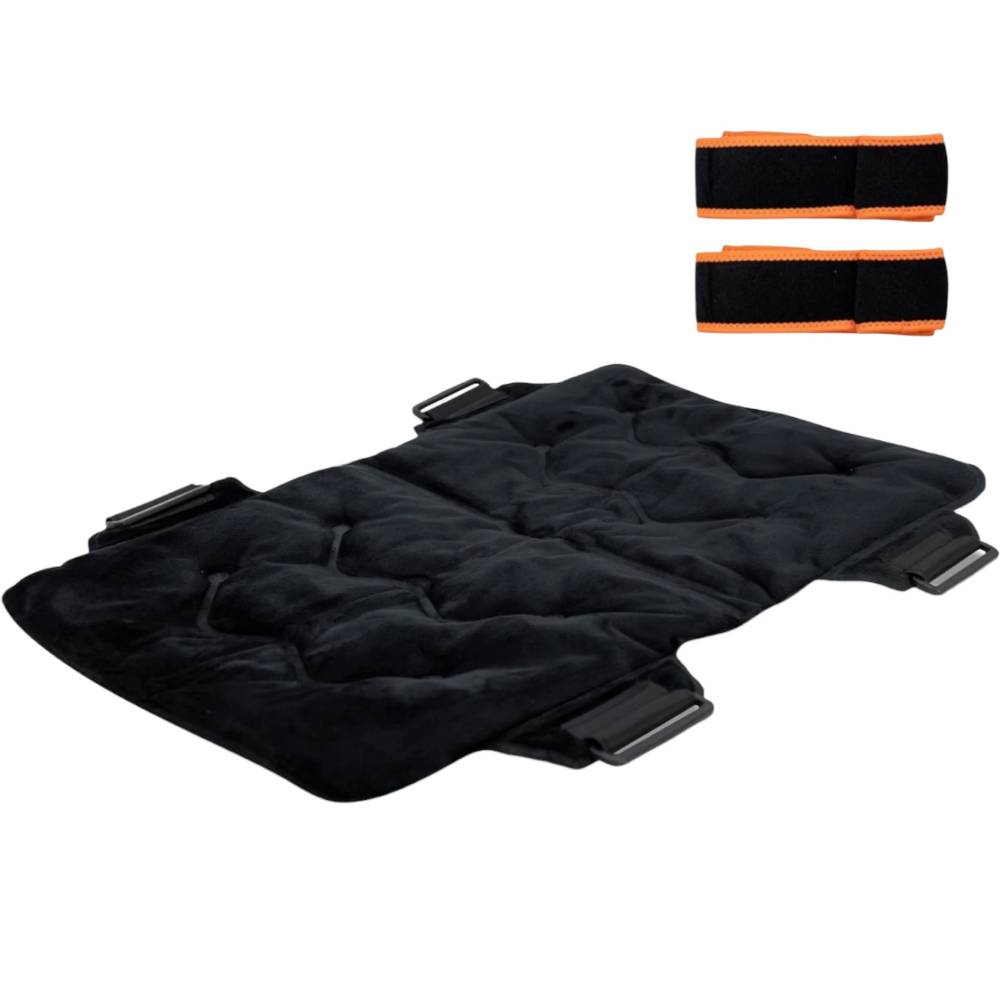
Hot/Cold Pack X-Large