Soreness After Workout: 7 Proven Ways to Recover Faster
You finished the workout. You felt great. Then you woke up the next morning and couldn’t walk down the stairs.
Soreness after workout is one of the most common things people deal with whether you’re a beginner hitting the gym for the first time or an experienced athlete pushing new limits. It’s your body’s way of telling you it’s working.
But feeling beat up for days isn’t the goal. The goal is recovery.
In this guide, you’ll learn exactly what causes post-workout soreness, 7 proven ways to recover faster, and the most common mistakes that keep people sore longer than they need to be.
Why Do You Get Sore After a Workout?
Before fixing the problem, it helps to understand it.
When you exercise especially with new movements or higher intensity you create tiny microscopic tears in your muscle fibers. Your body responds by sending fluid and nutrients to repair the damage. That repair process causes inflammation, which is what you feel as soreness.
This is called Delayed Onset Muscle Soreness (DOMS). It typically kicks in 12–48 hours after exercise and can last 3–5 days.
Here’s the key thing to remember: soreness after workout is normal and even a good sign. It means your muscles are being challenged and rebuilding stronger than before.
The problem isn’t the soreness itself. It’s not knowing how to manage it so it drags on longer than it should.
7 Proven Ways to Beat Soreness After Workout
1. Cool Down — Don’t Just Stop
One of the most skipped steps in any workout routine.
When you stop exercising abruptly, your heart rate spikes down and blood pools in your muscles. A proper cool-down 10 to 15 minutes of light movement and stretching helps bring your heart rate back to normal gradually and keeps blood circulating through your muscles.
Better circulation right after training means your body starts flushing out metabolic waste products faster, which reduces how sore you’ll feel the next day.
Try this: After your next workout, spend 10 minutes walking at a slow pace followed by gentle static stretches targeting the muscles you just used.
2. Apply Heat or Cold at the Right Time
Timing matters here and most people get this wrong.
Cold therapy (ice pack or cold compress) works best in the first 24–48 hours after a hard session. It reduces inflammation and numbs localized pain. Use it when soreness is fresh and intense.
Heat therapy works better after the first 48 hours. Warmth increases blood flow, loosens tight muscle tissue, and helps your body deliver the nutrients it needs to finish repairing.
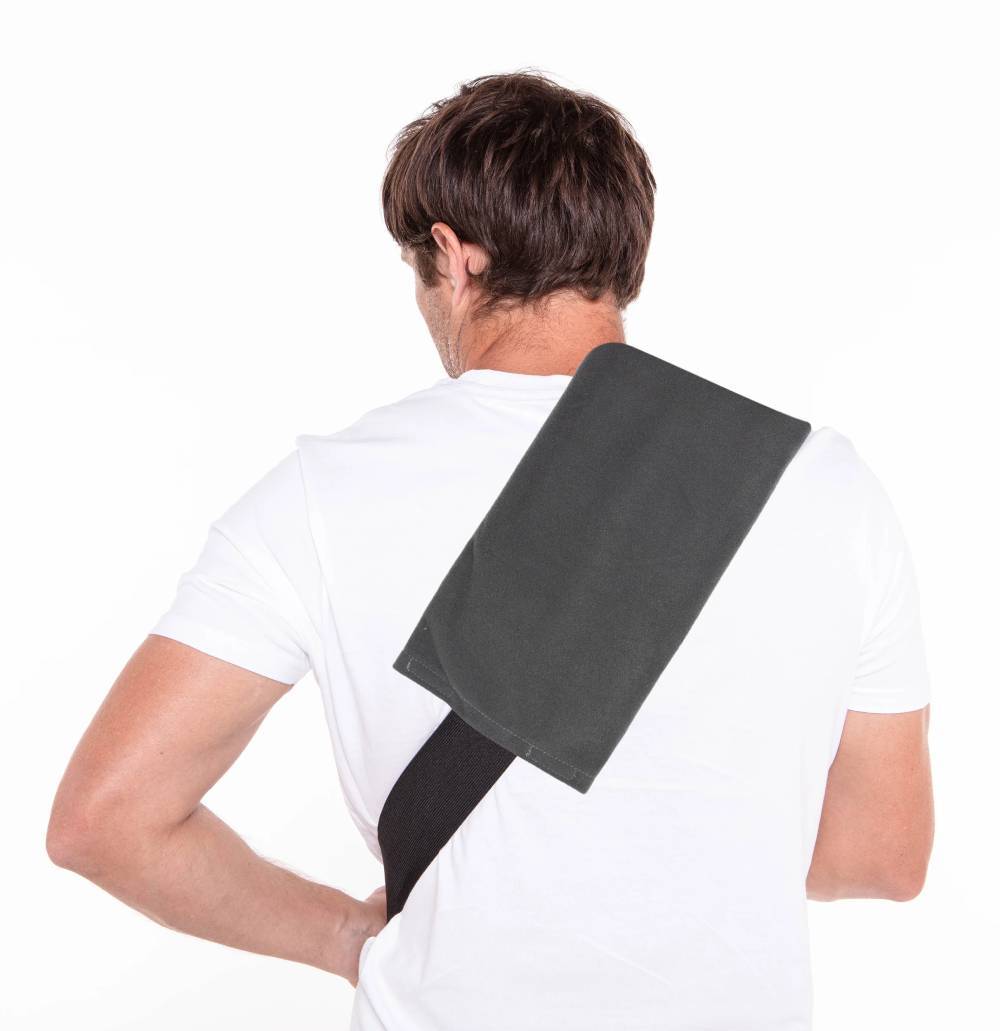
A hot/cold pack gives you the flexibility to use both switching between cold in the early phase and heat as recovery progresses. This is one of the simplest and most effective tools you can add to your post-workout routine.
Quick guide:
- 0–48 hours after workout → cold therapy
- 48+ hours → heat therapy
- Chronic muscle tightness → heat only
3. Keep Moving With Active Recovery
It sounds like the last thing you want to do when you’re sore. But staying completely still actually slows recovery.
Light movement a walk, easy bike ride, or gentle yoga increases circulation without adding stress to already fatigued muscles. More blood flow means more oxygen and nutrients reaching the damaged tissue, which speeds up the repair process.
Active recovery also helps reduce stiffness. Sitting still for long periods makes soreness after workout feel significantly worse especially in the back and hips. If you want to understand why, check out this breakdown of sore muscle relief and how circulation plays a role in muscle recovery.
Aim for: 20–30 minutes of low-intensity movement the day after a hard session.
4. Refuel With Protein and Carbs Right After Training
What you eat immediately after a workout has a direct impact on how sore you get.
Your muscles need two things to rebuild: protein to repair the torn fibers, and carbohydrates to replenish the glycogen (energy) that was burned during training.
Research shows that consuming protein within 45 minutes of a hard workout helps maximize muscle recovery. Good post-workout options include:
- Greek yogurt with fruit
- A protein shake with a banana
- Grilled chicken with rice
- Eggs with whole grain toast
Don’t skip this window. Muscles that don’t get the nutrients they need right after training take longer to repair and you’ll feel it the next morning.
5. Hydrate More Than Usual
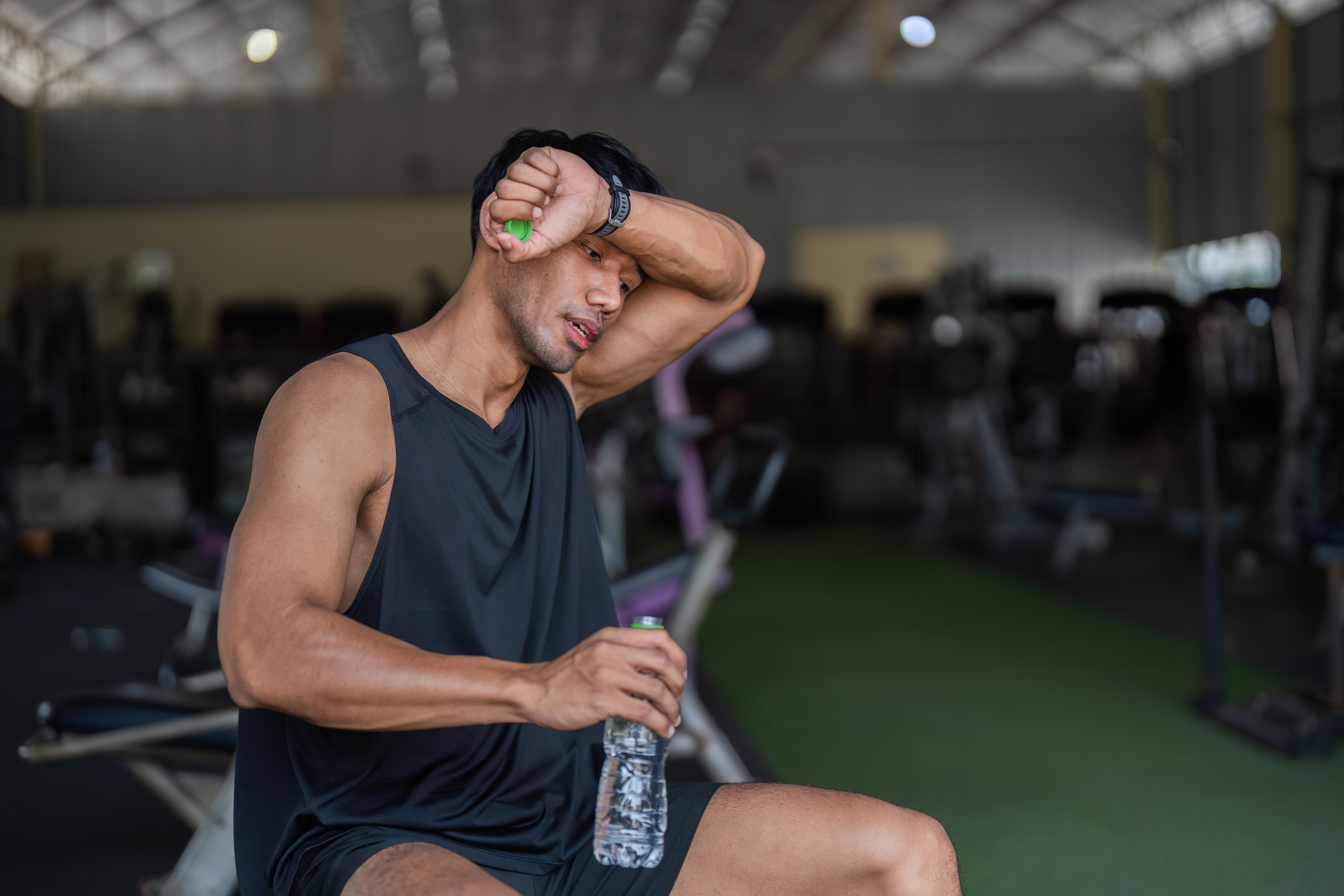
Dehydration quietly amplifies soreness after workout.
During exercise, you lose water and electrolytes through sweat. Those electrolytes especially magnesium and potassium play a key role in muscle function and recovery. When you’re low on fluids, your muscles cramp more easily and repair more slowly.
Most people drink enough water to get through the day, but not enough to actively support recovery from training.
Simple rule: Drink at least half your bodyweight in ounces of water daily. If you weigh 160 lbs, that’s 80 oz. Add an extra 16–24 oz for every hour of intense exercise.
6. Prioritize Sleep Above Everything Else
No recovery strategy works as well without quality sleep behind it.
During deep sleep, your body releases growth hormone the primary driver of muscle repair. Without enough of it, everything else you do to recover becomes less effective.
Elite athletes don’t just train hard they sleep hard. Many sports medicine experts rank sleep as the single most important recovery tool available, above nutrition, massage, and even active recovery.
Target: 7–9 hours per night when you’re in a heavy training phase. Even a 20-minute nap the afternoon after a tough morning workout can make a measurable difference.
7. Use Massage to Release Tight, Sore Muscles
Massage after strenuous exercise has been shown in research to be effective for relieving DOMS and improving muscle performance. It works by increasing skin and muscle temperature, improving blood and lymphatic flow, and helping tight tissue release.
You don’t need a professional massage every time. A targeted approach with a hot/cold pack applied before or after self-massage can dramatically boost the effect.
For pinpoint soreness in a specific area like sore shoulders after overhead lifts or tight calves after a run apply heat to the area first, then work through the tension manually or with a massage tool. The warmth helps the muscle relax before you apply pressure, making the whole process more effective and less uncomfortable.
The Biggest Mistakes That Make Soreness Worse
Even with the best intentions, these habits slow down your recovery:
Skipping the cool-down. Stopping abruptly keeps metabolic waste products sitting in your muscles longer. Always wind down gradually.
Doing nothing at all. Passive rest feels right but slows circulation. Light movement beats total stillness every time.
Jumping straight back into hard training. If you’re still significantly sore, your muscles haven’t fully repaired yet. Training on top of unrepaired tissue increases injury risk and can lead to longer-term overuse problems.
Relying only on pain medication. Over-the-counter NSAIDs can provide short-term relief, but some sports medicine research suggests they may interfere with the natural muscle repair process when used regularly. Use them selectively not as your primary recovery strategy.
When Soreness After Workout Is a Warning Sign
Normal DOMS fades within 3–5 days. Watch out for these signs that something more serious may be going on:
- Sharp or stabbing pain (not a dull ache)
- Significant swelling or bruising around a muscle
- Weakness that doesn’t improve with rest
- Soreness that gets worse instead of better after 5–7 days
- Dark or cola-colored urine after intense exercise this can signal rhabdomyolysis, a serious condition that needs immediate medical attention
If any of these apply, skip the home remedies and see a healthcare provider right away.
Start Recovering Smarter Today
Soreness after workout doesn’t have to derail your week. With the right combination of cool-downs, nutrition, heat and cold therapy, hydration, movement, and sleep you can cut your recovery time and get back to training feeling strong.
Pick two or three of these strategies and start applying them after your next session. Consistency is what separates people who stay sore for days from those who bounce back in 24 hours.
Your body is working hard for you. Give it what it needs to recover.
Need help finding the right recovery tool? Contact us we’ll help you find the best solution for your body.

Hot/Cold Pack Small (Grey Cover)
Get hands-free relief anywhere with versatile hot or cold therapy.
Shop Now →