Shoulder Ache and Pain From Home Working: 7 Habits Making It Worse

Shoulder ache and pain can creep up so gradually that many home workers barely notice it until simple things start feeling annoying. Reaching for a mug, putting on a coat, typing for too long, or trying to sleep comfortably suddenly feels harder than it should. The shoulder may not even be the only area involved. Very often the neck, upper back, and shoulder all feel tied together. This discomfort can lead to significant issues, including persistent shoulder ache and pain.
That makes sense, because they are tied together. When home working habits are poor, the shoulder rarely suffers alone.
Habit 1: reaching forwards all day
If your keyboard, mouse, or laptop sits too far away, the shoulder muscles have to work more to keep the arms positioned in front of you. That low-level demand builds over hours, especially if the upper back is already tired.
If you’re already experiencing shoulder ache and pain, it’s essential to recognise the contributing factors.
Habit 2: shrugging without noticing
Stress, rushing, and concentration often push the shoulders upwards. Many people spend large parts of the day with tension sitting around the neck and upper traps, then wonder why the shoulders ache by evening.
Habit 3: using armrests badly or not at all
If the shoulders are unsupported all day, they can fatigue. On the other hand, if the armrests are too high, the shoulders may stay elevated. The sweet spot is support without shrugging.
Habit 4: sitting still for too long recognizing the signs of shoulder ache and pain
Shoulders like movement. They do not like being kept in one narrow range for hour after hour. Even a decent workstation cannot completely protect you from the effect of staying static.
Understanding why shoulder ache and pain occurs can help in preventing it from becoming a chronic issue.
Habit 5: letting the upper back stiffen
When the upper back gets rounded and stiff, the shoulder often loses some freedom to move well. That can make desk work feel more tiring and can also make everyday movements feel awkward.
In many cases, the loss of freedom to move well can lead to a greater risk of shoulder ache and pain.
Habit 6: doing everything from one side
Using the mouse on the same side all day, carrying children on one hip, or always leaning one way can add up. The shoulder gets used to one repeated pattern and becomes less tolerant when the workload rises.
Avoiding repetitive movements can help reduce the risk of developing shoulder ache and pain.
Habit 7: waiting until the pain is loud
Small signs like tightness, heaviness, and mild soreness often show up before proper pain. Ignoring those early signals is one reason shoulder problems tend to linger.
These early tightness signs should not be ignored, as they often precede more significant shoulder ache and pain.
What shoulder-friendly home working looks like
Start by checking the basics. Keep your keyboard and mouse close enough that your elbows can stay near your sides. Let the shoulders drop away from the ears. Position the screen so you are not constantly reaching or craning forwards. If you use armrests, set them low enough that they support the arms without forcing the shoulders upwards. These adjustments are crucial, especially if you experience shoulder ache and pain regularly.
For official guidance on setting up a safe and comfortable workstation, the Health and Safety Executive provides detailed advice on display screen equipment (DSE) setup, posture, and reducing strain when working from home.
Then build in movement. Shoulder circles, standing breaks, short walks, and a few controlled mobility drills during the day can stop the area from feeling trapped in one fixed position.
A simple shoulder reset
Try this when the ache starts building:
1. Shoulder circles
Ten slow circles forwards, then ten backwards.
2. Wall slides
Stand with your forearms against a wall and slowly slide them upwards within comfort, then back down.
3. Chest stretch
Open the front of the chest for 20 to 30 seconds on each side.
4. Break the desk posture
Walk for two minutes and let the arms swing naturally.
Where supportive recovery tools fit
After all, if you’re dealing with shoulder ache and pain, finding relief should be a priority. If the shoulders feel tight or overworked after a long day, a targeted hot or cold pack can fit nicely into the recovery side of the routine. Some people prefer gentle heat for muscular tightness, while others use cooler therapy when the area feels more irritated. The point is not to obsess over gear. It is to give the shoulders a sensible way to calm down while you also fix the habits that caused the problem.
When to get help
Shoulder pain deserves a closer look if you cannot move the arm comfortably, the symptoms are worsening, there was a clear injury, or the pain is interfering with sleep and daily function.
With the right approach, you can overcome shoulder ache and pain and enjoy a more comfortable working experience. Home working shoulder ache is often the product of boring, repeatable habits, which is good news because boring, repeatable habits can be changed. Sort the reach, reduce the shrugging, move more often, and use simple recovery tools as support. That is a much stronger plan than just hoping the shoulder settles down on its own.

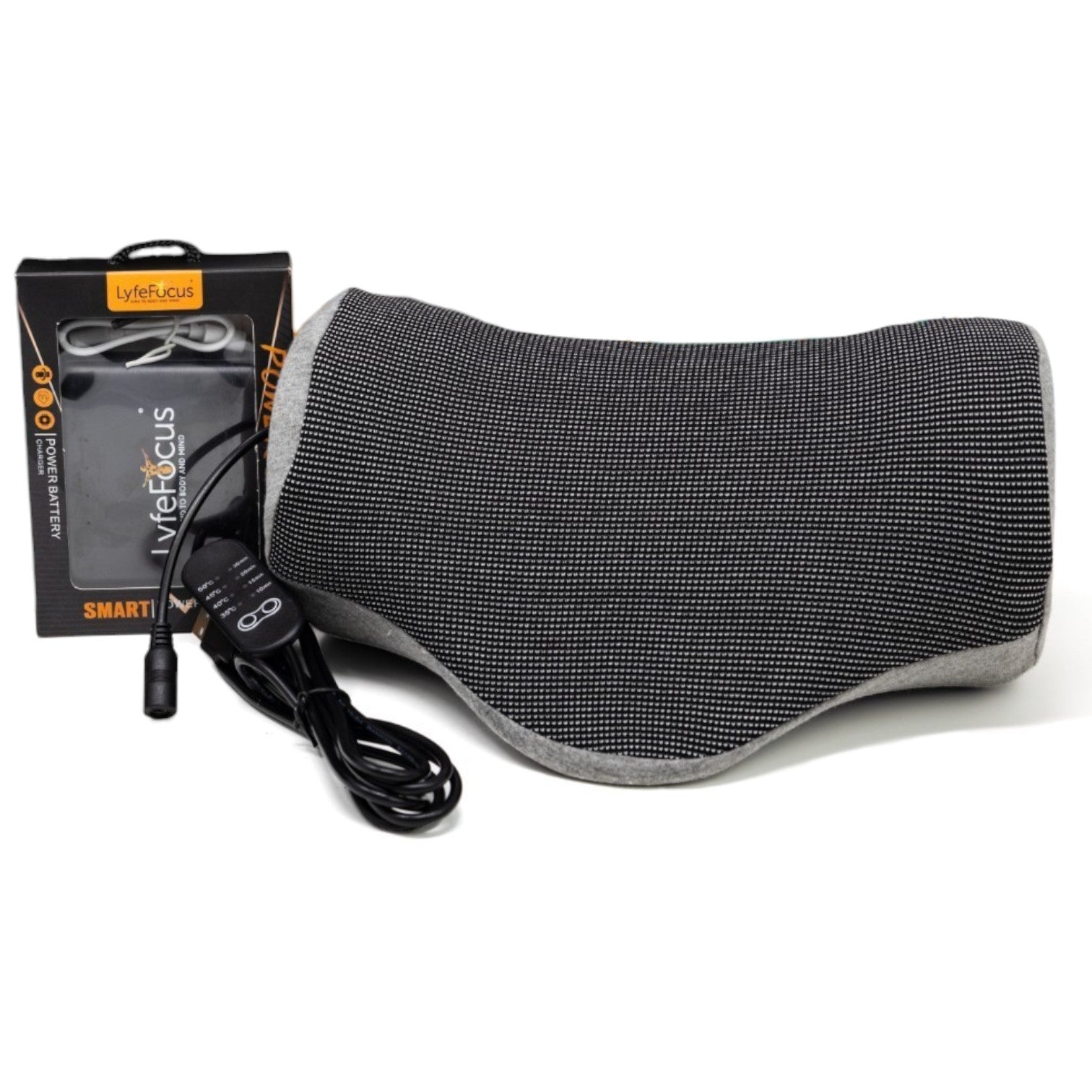
Neck Stretcher With Heat
Relieve neck tension, improve mobility, and relax deeply with soothing heat.
Shop Now →