Foot Circulation Massagers: What They Do and Who Needs One
Whether you’re on your feet for twelve-hour shifts at a Burnley warehouse, sitting through back-to-back calls at a Preston home office, or managing the cumulative fatigue that comes with a physically demanding trade in Lancaster, poor foot and lower limb circulation is a problem that tends to creep up quietly. Feet that ache, swell by mid-afternoon, or feel perpetually cold and heavy are often telling you something important: blood isn’t moving through them the way it should.
Foot circulation massagers have emerged as one of the most practical at-home tools for addressing this directly — but with dozens of devices on the market making sweeping promises, understanding how they actually work is the only way to choose wisely.
This guide covers the science behind blood circulation foot massagers, who benefits most, what the different types offer, and — crucially — what complementary tools can extend those benefits beyond a single session.
How Foot Circulation Massagers Actually Work
The term “foot circulation massager” covers several different device types, each working through a distinct mechanism:
1. Mechanical massage devices
It uses rollers, nodes, or pressure points to physically stimulate the plantar surface of the foot — the sole — and the surrounding muscles of the arch, heel, and ball. The pressure encourages vasodilation in the local capillary beds, increases lymphatic drainage, and breaks up the fascial adhesions that accumulate in feet subjected to prolonged standing or compression from tight footwear.
2. EMS (electrical muscle stimulation) blood circulation machines
They use low-level electrical impulses to trigger involuntary muscle contractions in the foot and calf, mimicking the pumping action that the soleus muscle performs during normal walking. This “calf pump” mechanism is one of the primary drivers of venous return — the movement of blood back up toward the heart against gravity — making EMS-based devices particularly useful for those with sedentary lifestyles or conditions that affect venous circulation.
3. Vibration-based massagers
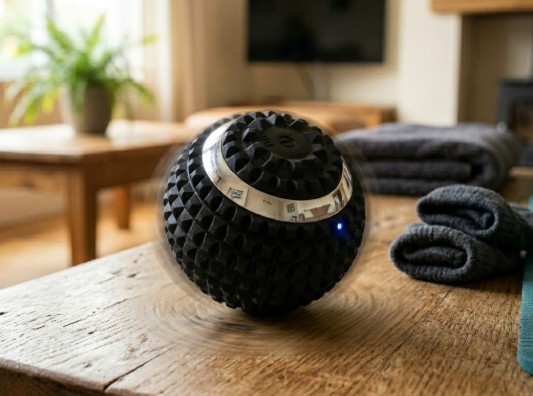
Vibration massage balls stimulates the foot through high-frequency vibration, increasing local blood flow, reducing nerve sensitivity in chronically tense tissues, and promoting the kind of deep tissue relaxation that manual massage provides but is difficult to sustain for long periods.
According to NHS information on peripheral arterial disease and circulation, maintaining healthy circulation in the lower limbs is important for long-term cardiovascular and musculoskeletal health — and for many people, incorporating tools that actively stimulate foot and lower limb blood flow is a meaningful part of daily self-care.
Who Benefits Most From a Blood Circulation Foot Massager?
A blood circulation foot massager delivers the most noticeable benefit to people in the following groups:
1. Those Who Stand for Extended Periods
Retail, healthcare, hospitality, and warehouse workers across the region spend large portions of their working day on hard floors. Prolonged standing creates sustained pressure on the plantar fascia, compresses the foot’s natural vascular structures, and places the calf pump under continuous load. For those tackling grueling shifts, using recovery tools like targeted massagers or high-density body rollers at the end of the day can drastically reduce swelling, ease plantar fatigue, and accelerate overnight muscular recovery.
2. Desk Workers With Sedentary Lifestyles
Counterintuitively, sitting for long periods is equally damaging to lower limb circulation as standing for too long — but through a different mechanism. When the legs are static and the calf pump is inactive, blood pools in the lower extremities, increasing the risk of discomfort, tightness, and swelling. If you find yourself stiff after sitting at a desk all day, incorporating a blood circulation machine or using targeted foam rollers during your breaks can reactivate this pumping mechanism and restore regular blood flow.
3. Older Adults and Those With Circulation-Related Conditions
Circulation naturally becomes less efficient with age, and conditions such as diabetes, peripheral arterial disease, or varicose veins further compromise lower limb blood flow. Foot circulation massagers — particularly EMS-based devices — are widely recommended as complementary tools within self-care routines for these groups, though those with diagnosed circulatory conditions should consult their GP before beginning regular use.
4. Athletes and Active Individuals in Recovery
After intense exercise, metabolic waste products accumulate in muscle tissue faster than the circulatory system can clear them — contributing to soreness and delayed recovery. Targeted foot and lower limb massage post-exercise accelerates clearance, reduces DOMS (delayed onset muscle soreness), and helps restore full circulation to tissues that have been under sustained demand.
What to Look for When Choosing a Blood Circulation Machine
With so many options available, these are the features that genuinely differentiate effective devices from ineffective ones:
- Adjustable intensity — both too little and too much stimulation are counterproductive. Look for devices with multiple intensity settings you can tailor to your sensitivity and tolerance.
- Coverage area — some devices focus solely on the sole of the foot; others extend stimulation to the ankle and calf. Wider coverage is generally more effective for circulatory benefit.
- Heat function — devices that combine massage or EMS with gentle heat improve the vasodilatory effect by relaxing surrounding musculature before stimulation begins.
- Timer and auto-shutoff — important for safety and convenience, particularly for EMS-based blood circulation machines where session length matters.
Complementary Tools That Extend Circulation Benefits
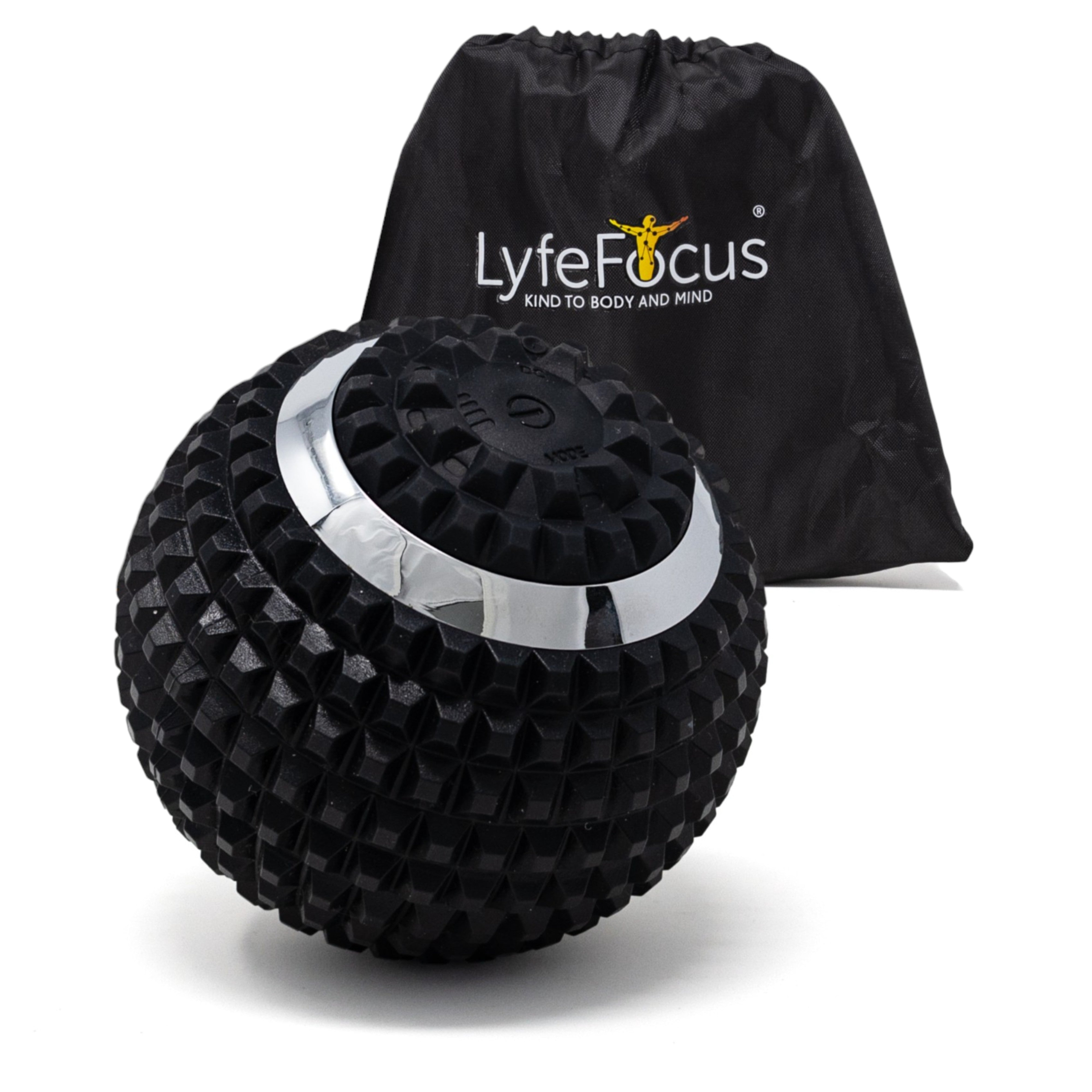
A foot massager session is most effective when it’s part of a broader recovery routine. One of the most practical complementary tools is a vibrating massage ball — a compact, versatile device that delivers targeted percussion and vibration to any area of the foot, including the arch, heel, and ball, with precisely controllable pressure.
Unlike fixed-platform foot massagers, a massage ball can follow the contours of the plantar fascia precisely, reach areas that flat devices miss, and be used on the calves, shins, and lower legs to extend the circulatory benefit up the full lower limb.
The LyfeFocus Vibrating Massage Ball is exactly this kind of targeted tool — compact enough to use at a desk, powerful enough to deliver genuine deep tissue stimulation, and versatile enough to address both the foot and the calf in a single session. For guidance on getting the most from your massage ball on the feet and lower legs, visit the LyfeFocus massage ball instructions page.
FAQs About Foot Circulation Massagers
Are foot circulation massagers safe to use every day?
For most people, daily use of a foot circulation massager is safe and beneficial — particularly for those with desk-based jobs or physically demanding roles. EMS-based blood circulation machines should typically be used in sessions of 20–30 minutes rather than continuously, and those with pacemakers, metal implants, or diagnosed circulatory conditions should consult their GP before use.
How quickly will I notice a difference with a blood circulation foot massager?
Many users notice an immediate reduction in foot fatigue and aching after a single session, particularly when used at the end of a demanding working day. More sustained benefits — including reduced swelling, improved baseline circulation, and better overnight recovery — typically become consistent after two to three weeks of regular daily use.
Can a foot circulation massager help with plantar fasciitis?
Targeted massage to the plantar fascia can help manage the pain and tightness associated with plantar fasciitis by improving local circulation, breaking up fascial adhesions, and reducing the inflammation that builds up during periods of rest. However, plantar fasciitis is a clinical condition with several potential causes, and a massager should complement — not replace — appropriate medical assessment and treatment.
Are foot circulation massagers popular with people in trades or warehouse work in Lancashire?
Yes — foot and lower limb fatigue is a significant occupational health issue for the large proportion of Lancashire’s workforce in physically demanding roles. Foot circulation massagers are increasingly used as part of daily recovery routines by tradespeople, warehouse operatives, and healthcare workers looking to reduce the end-of-day soreness and swelling that accumulates over long, physically demanding shifts.
Start Supporting Your Foot Circulation Today
Foot circulation massagers offer one of the most accessible and immediate wellness interventions available and for people across Lancashire dealing with the daily toll of demanding work on their feet and lower limbs, the difference a consistent recovery routine can make is significant.
Ready to find the right tools for your recovery routine? Get in touch with our team today and we’ll help you identify the best LyfeFocus products to support your circulation and recovery goals.

Vibrating Massage Ball (Black)
The LyfeFocus Massage Ball helps to ease muscle pain by massaging deep muscle tissue.
Shop Now →