Can Poor Posture Make You Feel Tired? What Office Workers Need To Know
Yes, poor posture can absolutely make you feel more tired, but probably not in the simplistic way social media posts claim. The problem is not that sitting a bit slouched instantly drains your energy. The problem is that poor posture often reflects a wider pattern of physical fatigue, low movement, muscle overuse, and shallow breathing that makes the body work harder than it needs to, contributing to poor posture tiredness.
That matters for office workers because many of them do not just feel sore by the end of the day. They feel flat, heavy, and mentally cooked as well, experiencing the effects of poor posture tiredness.
Why posture and fatigue are connected
When posture starts slipping, certain muscles often take on more work. The neck may have to support a forward head position, the upper back may have to hold the shoulders in place, and the lower back may lose some support when sitting becomes more collapsed. None of that creates an instant energy crisis, but it can make the body feel more loaded over the course of a full workday, leading to poor posture tiredness.
Poor posture tiredness also tends to go hand in hand with poor work habits. Long periods of sitting, low movement, screen overload, stress, and shallow breathing all make fatigue more likely. So while posture may not be the sole cause, it is often part of the picture.
The breathing piece people miss
When the chest is collapsed and the shoulders are rounded, breathing often becomes shallower. That can increase neck and upper chest activity and make the body feel more tense. You may still be getting enough air, but the overall pattern is less relaxed and less efficient. Over hours, that can contribute to the feeling of being physically and mentally drained.
Signs posture may be feeding your tiredness
You might notice that you fade badly in the afternoon, your neck and upper back feel heavy, you keep shifting around because sitting feels uncomfortable, or you slump more the more tired you become. You may also feel a strange mix of stiffness and exhaustion at the same time.
Again, poor posture tiredness is rarely the whole story. Sleep, workload, hydration, stress, and general fitness matter too. But if your workday repeatedly leaves you feeling folded up and depleted, posture is worth addressing.
What improves the situation
First, stop chasing a rigid idea of perfect posture. Holding yourself stiffly upright all day is not the answer. What usually works better is a more supported starting position plus regular movement.
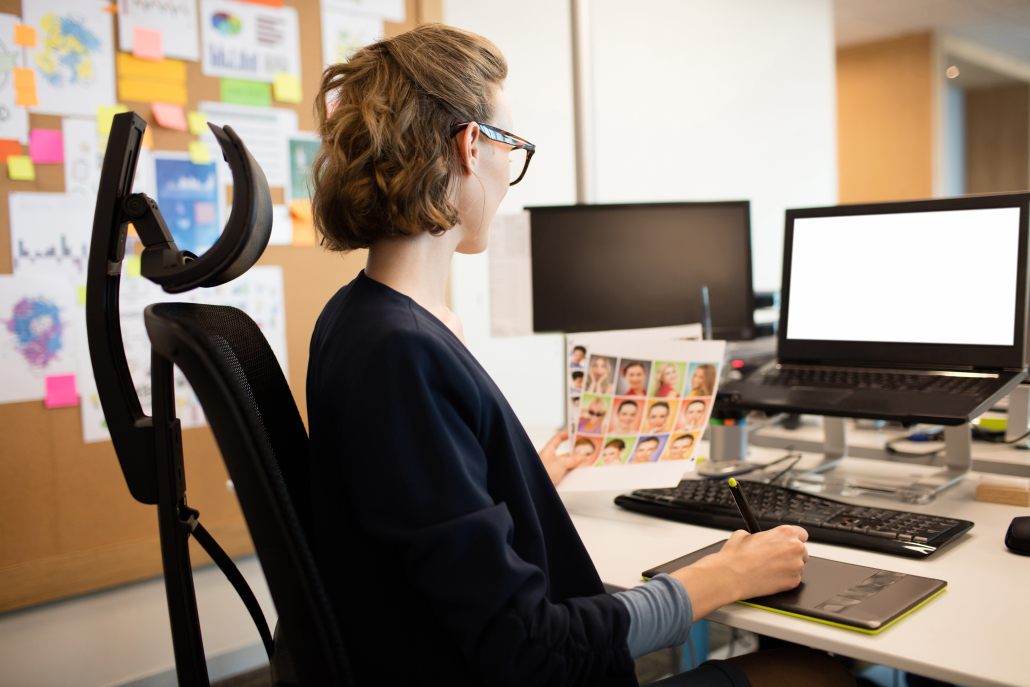
Raise the screen, keep the keyboard close, support the lower back if needed, and let the feet feel stable on the floor. Then focus on variety. Stand up regularly. Walk during calls. Change tasks when you can. Office workers often feel better not because they found a magical chair, but because they stopped freezing the body in one position for half the day.
Build some energy back into the day
A few simple habits can make a bigger difference than people expect:
1. Reset your posture every hour
Not with military stiffness, just by sitting taller, unclenching the jaw, and letting the shoulders relax.
2. Move before fatigue gets loud
A two-minute break taken early usually helps more than waiting until you feel wrecked.
3. Open the front of the body
Gentle chest-opening work can counter the rounded, desk-heavy position.
4. Use support as a prompt
A posture support tool can sometimes help as a reminder when you are trying to stop collapsing into the same tired position every afternoon.
Where products fit without overselling them
Products should help you reinforce better habits and make good positioning easier to maintain. For example, a posture corrector can be a smart buy for people who want more feedback during the day and a clearer sense of how their upper body is sitting. It often works best when combined with movement breaks, a better workstation setup, and realistic recovery habits, because the product keeps the habit more visible instead of leaving you to rely on memory alone.
When tiredness needs a broader view
If fatigue is persistent, severe, or clearly out of proportion to your work habits, it is worth looking beyond posture. Sleep quality, stress load, medical issues, and general health all matter. Posture is useful to address, but it should not be treated like the answer to every problem.
Poor posture tiredness can make office workers feel more tired because it usually comes bundled with muscle strain, reduced movement, and a body that is doing too much static work. Sort the environment, vary your position, breathe a bit better, and use supportive tools where they add value. That is a much saner plan than blaming yourself for slouching and calling it a day.

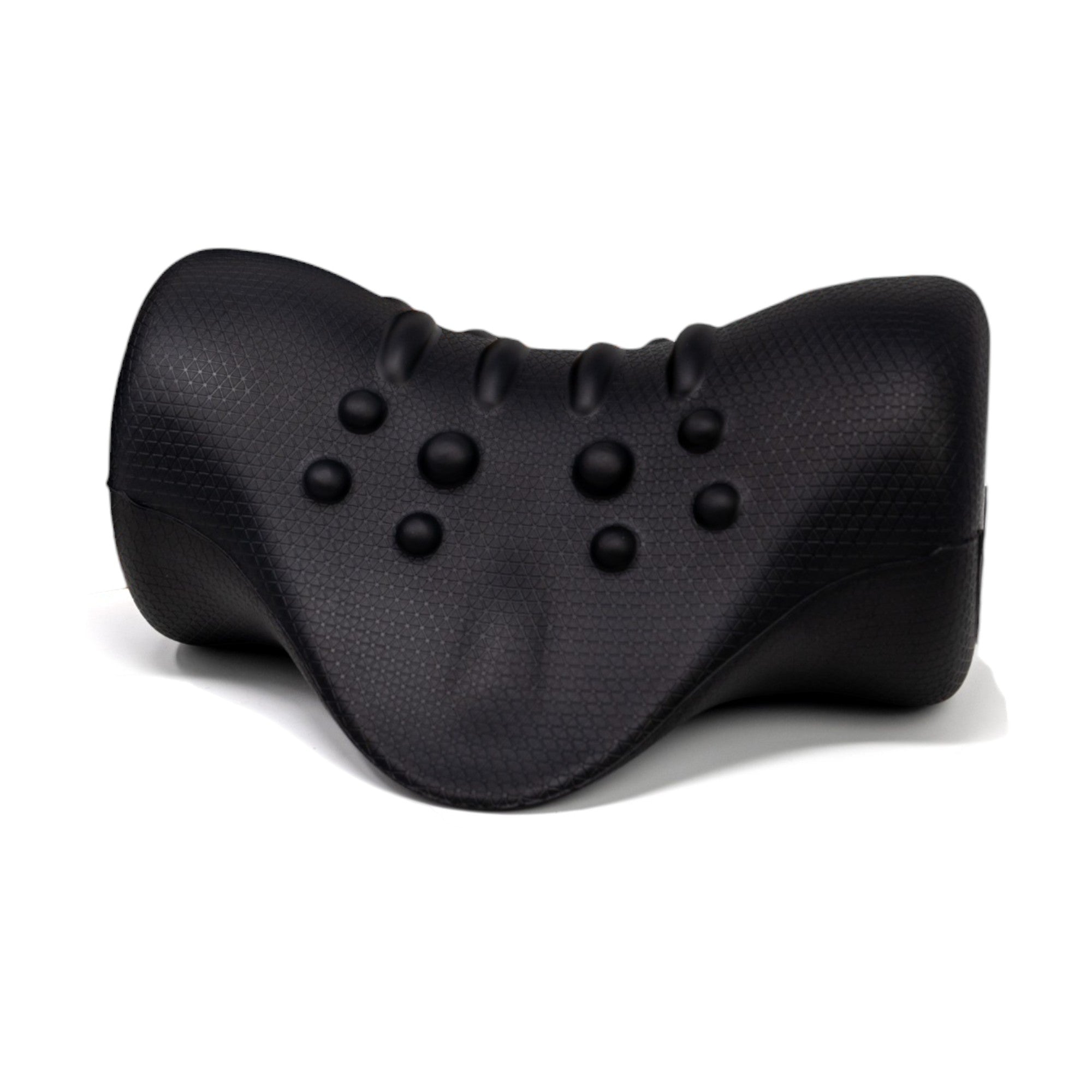
Neck Stretcher (Black)
Ease neck tension and restore natural posture with targeted support.
Shop Now →