Lower Back Tension vs Lower Back Pain: What Desk Workers Should Watch For
Desk workers often use the words tension, stiffness, soreness, and pain as if they all mean the same thing. Sometimes that is fine. Sometimes it hides useful information. Lower back tension and lower back pain can overlap, but they are not always identical, and paying attention to the difference can help you respond more sensibly. Understanding lower back tension can lead to better management strategies.
What lower back tension usually feels like
Tension often feels broad, tight, or guarded. The lower back may feel stiff when you first stand up, uncomfortable after sitting too long, or generally overworked by the end of the day. It may ease with movement, heat, walking, or a position change. Many people describe it as a band of tightness rather than a sharp or specific pain.
Stress and long periods of sitting often feed into this kind of tension. So does bracing, low movement variety, and carrying fatigue through the body.
What lower back pain may feel like
Pain is a broader category, but in everyday use people often mean something more intense, more localized, or more disruptive when they say pain. It may be sharper, more limiting, more obvious during specific movements, or less willing to settle with simple changes. Pain can still be mechanical and habit-related, but it deserves a bit more attention, especially if it is recurring or escalating.
Why the distinction matters
If what you are dealing with is mainly lower back tension from too much static desk time, the first line of attack is usually load management, movement, posture variety, and recovery. If the problem feels more like worsening pain, you may need to be more cautious, monitor the pattern more closely, and get assessed sooner if it does not settle.
The distinction is not there to make you paranoid. It is there to stop you treating everything like a minor annoyance when it may need a more deliberate response.
Common desk-worker causes of lower back tension
One common cause is sitting too long without changing position. Another is poor support from the chair or the way you are using it. Tight hips, weak movement habits, and stress-related bracing also play a role. Some people tense through the stomach and lower back all day without noticing, especially during focused work or periods of pressure.
What usually helps tension
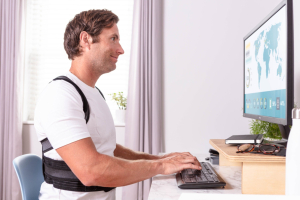
The lower back often responds well to regular change. That means standing up more often, walking, improving the desk setup, and doing a short mobility routine rather than waiting until the area is screaming for attention. Heat can help when the lower back feels tight and guarded. A well-chosen support tool can also be a smart addition here, especially when it reduces end-of-day tightness, makes movement feel easier, and helps you stay active instead of bracing through discomfort.
What should make you pay closer attention
Watch for pain that spreads down the leg, numbness, weakness, severe night pain, pain after a clear injury, or symptoms that keep worsening. Also pay attention if the lower back is affecting sleep, work capacity, or confidence with basic movement. Those are the moments to stop pretending it is just a bit of desk tension.
A desk-worker response plan
If the lower back feels tense:
- change position more often
- walk before sitting again
- reduce the time spent slumped or reaching forwards
- use gentle mobility work
- consider supportive recovery tools if they help
If it feels more painful:
- reduce obvious aggravating patterns
- avoid complete inactivity, but do not force things
- monitor what movements or tasks worsen it
- get proper advice if symptoms are persistent, severe, or spreading
Where products fit
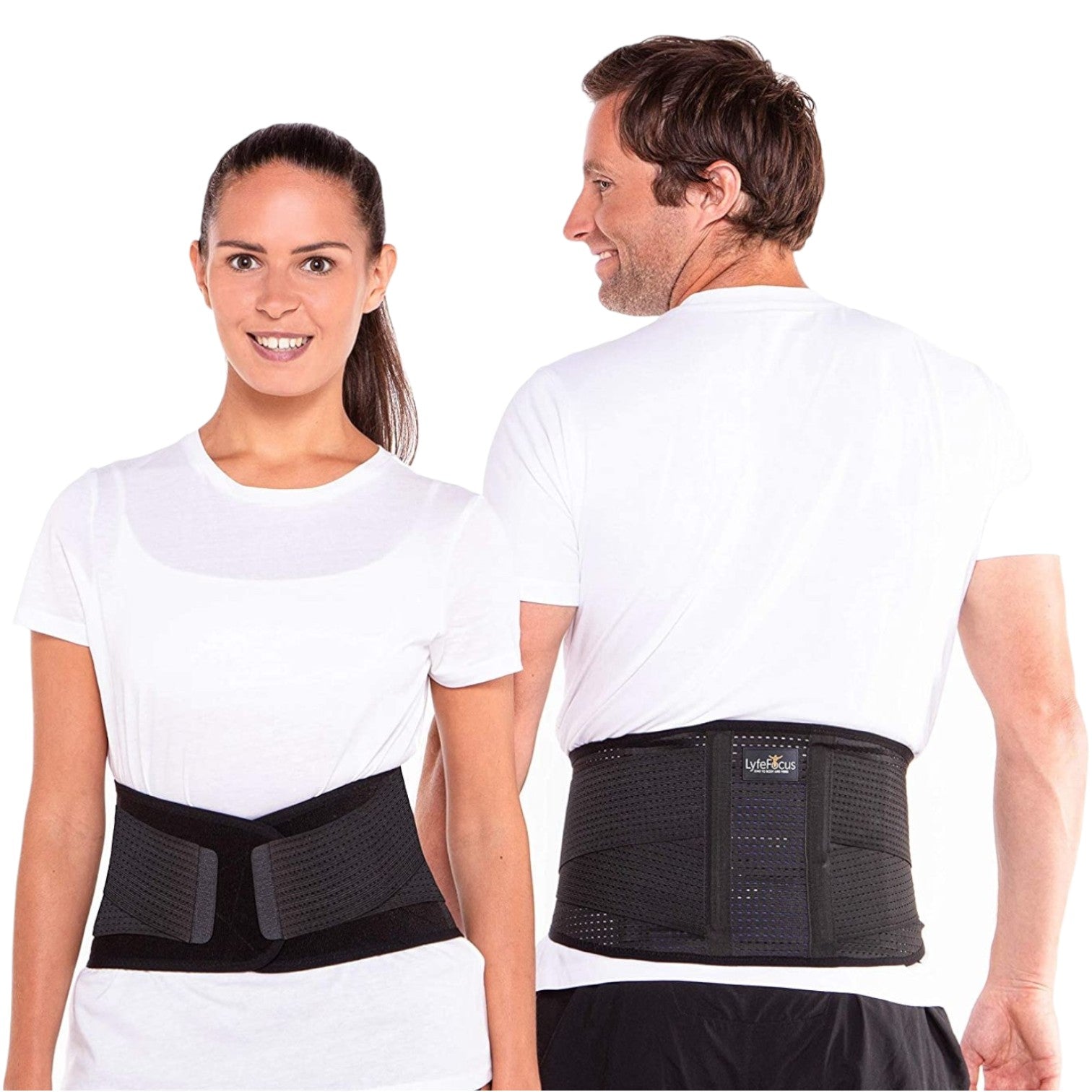
Supportive products can be genuinely useful for desk workers because they make symptom management easier while better habits catch up. Some people get real value from a lower back support belt during selected periods when they want more confidence moving around or sitting with less aggravation. Others benefit from heat or gentle recovery support at the end of the day when lower back tension has built up. The strongest results usually come when those tools are used regularly alongside better movement, setup changes, and sensible workload management.
Lower back tension and lower back pain can blur into each other, but they are worth thinking about separately. Tension often points to overload, stillness, and stress. Pain may be the same pattern turned up louder, or it may be a sign that you need more input. Either way, desk workers do better when they stop ignoring the early signals and start changing the daily pattern that keeps winding the lower back up.

Lower Back Support Belt
Designed to deliver maximum lower back support, giving you the confidence to get active and moving.