Muscle Knots in the Back: Why Sitting Still Makes Them Worse
Muscle knots in back are one of those things people talk about constantly but rarely understand properly. They usually describe them as tight, tender spots that seem to sit between the shoulder blades, around the upper traps, or just off to one side of the spine. They are not always severe, but they can make the whole back feel grumpy, restricted, and hard to relax, often overlapping with aching muscles in back after long desk hours.
The reason they are so common among desk workers is simple. The back hates monotony. Too much sitting, too little movement, and too much stress all make it easier for certain muscles in your back to become overloaded while others do very little.
Why knots tend to build up
When you stay in the same position for a long time, some muscles keep doing the same small stabilising job over and over again. They never get the chance to fully switch off. Over time, that can leave small areas feeling dense, tender, and overly sensitive, often showing up as sore muscles that do not fully settle even after rest.
Stress makes the situation worse because it increases background muscle tone. People who feel mentally overloaded often hold tension in the shoulders, upper back, and jaw without realising it. Add laptop posture and long workdays, and it is no surprise that certain points in the back begin to feel like permanent problem areas.
The places desk workers notice them most
The upper back is the classic location, especially between the shoulder blades and across the tops of the shoulders. The area around the shoulder blade can also feel knotty when the arm is reaching too much or the mouse position is poor. Some people get a tight band just above the lower back, usually because the hips and glutes are stiff and the lower back is trying to make up for it.
What makes them worse
Ignoring them and staying in the same routine usually does the trick. Long hours at a laptop, little variation in posture, stress, and rushed breathing all keep the area loaded. So does the common habit of trying to stretch randomly without changing the conditions that created the tension.
Another mistake is only addressing the sore spot itself. If the chest is tight, the upper back is stiff, and the shoulders are elevated all day, the knot is often just the loudest part of a bigger pattern.
What helps the back feel less stuck
Movement variety is a big one. Stand up more often, walk between tasks, and stop asking the same few muscles in your back to hold the same shape for half the day. Chest opening work, upper back mobility, and relaxed breathing all help because they reduce the background conditions that keep the area irritable.
Targeted pressure can help too, especially when it is consistent and controlled rather than aggressive. This is where simple home recovery tools often make a real difference.
Why a massage ball or foam roller is often worth having
For stubborn muscular tension, a massage ball or foam roller can be one of the most useful tools you own because it lets you target the exact areas that tighten first. A massage ball is great for focused work around the shoulders and upper back. A foam roller is ideal when the whole upper back feels stiff and compressed after a day at the desk.
Used regularly, these tools do more than just provide a quick release. They make the body feel easier to move, which makes it far more likely that you will stretch, breathe properly, and move around before tension builds into a bigger problem.
This is especially important for recurring muscle knots in back, where prevention matters as much as relief. That is why targeted recovery tools are not just nice extras. For people who repeatedly get sore muscles, they can be one of the smartest, most practical buys in the house.
A simple de-knot routine
1. Massage ball against the wall
Place the ball between the wall and the sore area around the shoulder blade. Lean in gently and breathe for 20 to 30 seconds.
2. Foam roll the upper back
Roll slowly for 45 seconds, keeping the movement controlled.
3. Open the chest
Hold a doorway stretch for 20 seconds.
4. Walk and reset
Take a short walk to stop the back settling straight back into a stiff position.
Muscle knots in back are usually less about mystery and more about repetition. The same posture, the same stress response, and the same lack of movement create the same tight spots week after week. Change the pattern, and support it with simple recovery habits, and those knots become far less persistent.

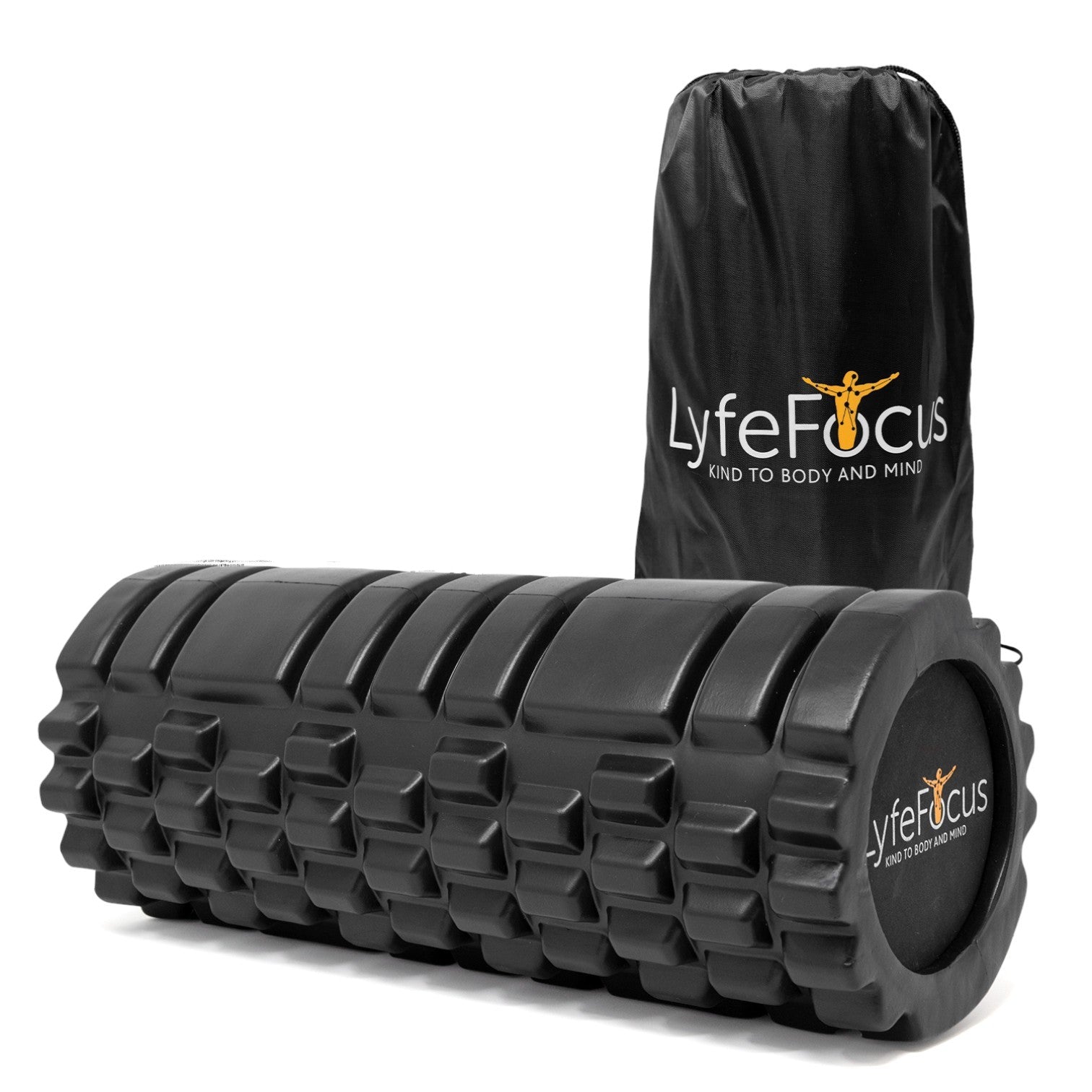
Foam Roller (Black)
Ease muscle pain fast with deep-tissue relief you can take anywhere.
Shop Now →