Why Your Lower Back and Legs Aches After Too Much Sitting
If your back and legs aches after a long day of sitting, that combination is not random. The back, hips, glutes, and legs all influence each other. When one area gets stiff or underused, another usually picks up the slack. That is why a desk heavy routine can leave you feeling sore across much more than just the lower back.
Many people assume leg ache or back and legs aches means they need to walk more and back ache means they need a new chair. Sometimes those things help, but the real problem is often the same underlying issue: too much stillness and not enough movement variety.
Why sitting affects both areas (back and legs aches)
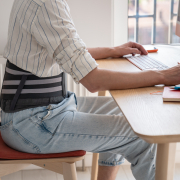
Sitting for long periods keeps the hips bent, reduces glute activity, and can make the hamstrings and hip flexors feel tighter and less forgiving. The lower back then ends up working around that stiffness. At the same time, reduced movement can leave the legs feeling heavy, achy, or restless because the whole system has spent too long in one static position.
This is especially common when people sit through work, sit through meals, and then sit again to recover from work. The body never gets enough contrasting movement to feel refreshed.
Common patterns
Some people feel a dull lower back ache with tightness through the backs of the legs. Others feel heavy, tired legs with a stiff pelvis and sore hips. Some notice that standing up feels awkward at first, but walking gradually improves things. Those patterns usually point to a body that dislikes how long it is being kept still.
Understanding whether you are dealing with lower back tension or lower back pain can help you respond more effectively before the problem escalates.
What makes it worse
Poor desk setup, soft chairs, little walking, stress bracing, and very low activity outside work all increase the odds of this pattern. So does trying to “rest” by doing even less movement when the issue is partly caused by not moving enough in the first place.
What helps most
The biggest win is usually movement frequency. Stand more often, take short walks, and stop treating the end of the workday like a signal to collapse. Gentle mobility for the hips, glutes, and lower back helps because it spreads the workload more evenly across the body.
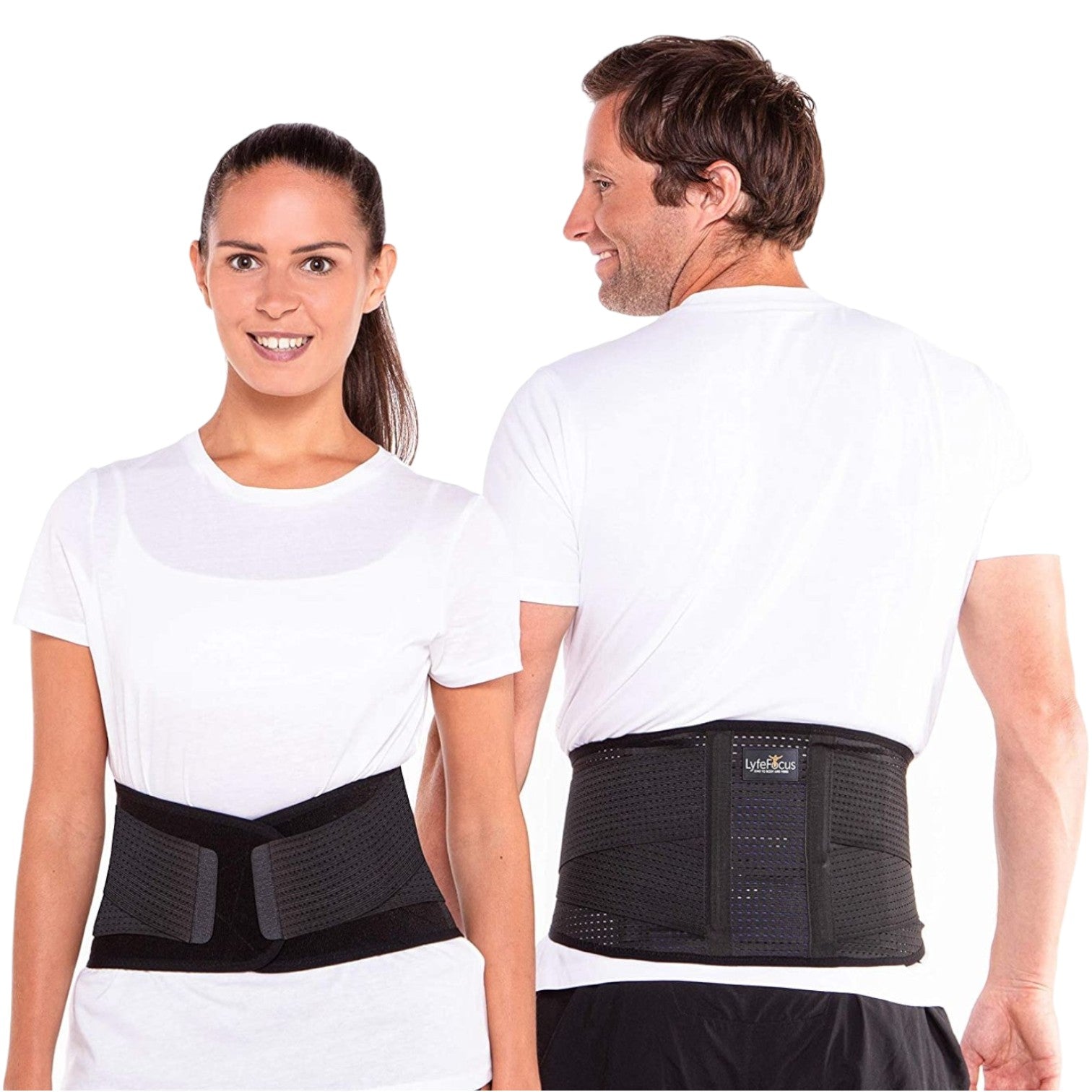
Supportive products can help here too, especially when they encourage more confident movement. A lower back support belt can make busy or flare-up days easier to manage, while a foam roller helps reduce some of the stiffness through the glutes, hips, and upper legs that often feeds into the back.
This matters because if the body feels easier to move, you are more likely to keep moving. That alone can break the cycle of back and legs aches.
A quick reset for back and legs aches
1. Stand and march on the spot for 30 seconds
2. Do ten sit to stand reps
3. Gently stretch the hip flexors
4. Use a foam roller on the glutes and upper legs
5. Take a five minute walk
This is simple, but it works because it reintroduces movement in the exact areas that sitting tends to shut down.
When to get advice
If pain is sharp, consistently travels down one leg, causes numbness or weakness, or is worsening rather than improving, do not keep guessing. Those symptoms deserve proper assessment.
Lower back and legs aches often show up together because the same desk-based habits create both. Too much stillness, not enough variation, and poor recovery leave the whole chain feeling stiff and overworked, often leading to recurring back and legs aches. Move more often, support the body where needed, and use practical recovery tools that make it easier to stay consistent.

Lower Back Support Belt
Designed to deliver maximum lower back support, giving you the confidence to get active and moving.