Posture Support at Work: What Actually Helps When You Sit All Day
People search for posture support because sitting all day makes them feel heavy, rounded, and uncomfortable. They want something that helps them stop collapsing into the desk by mid-afternoon. That instinct is reasonable. The problem is that posture advice is often either uselessly vague or weirdly extreme.
You do not need to sit like a mannequin. You need support that makes it easier to stay comfortable, aware, and less compressed through the day.
What good posture support really means
Proper posture support is not about forcing the body into one perfect position. It is about making it easier to return to better positions more often. That can come from screen height, chair setup, movement breaks, stronger awareness, and, for some people, a posture support product that helps them stop drifting into the same tired slump.
This matters because fatigue changes posture. Most people do not sit badly because they are careless. They sit badly because they get tired, distracted, and overloaded.
What helps most before you buy anything
Start with the obvious:
- raise the screen
- bring the keyboard and mouse in
- support the feet
- stop working from the sofa as your main desk
- stand up more often
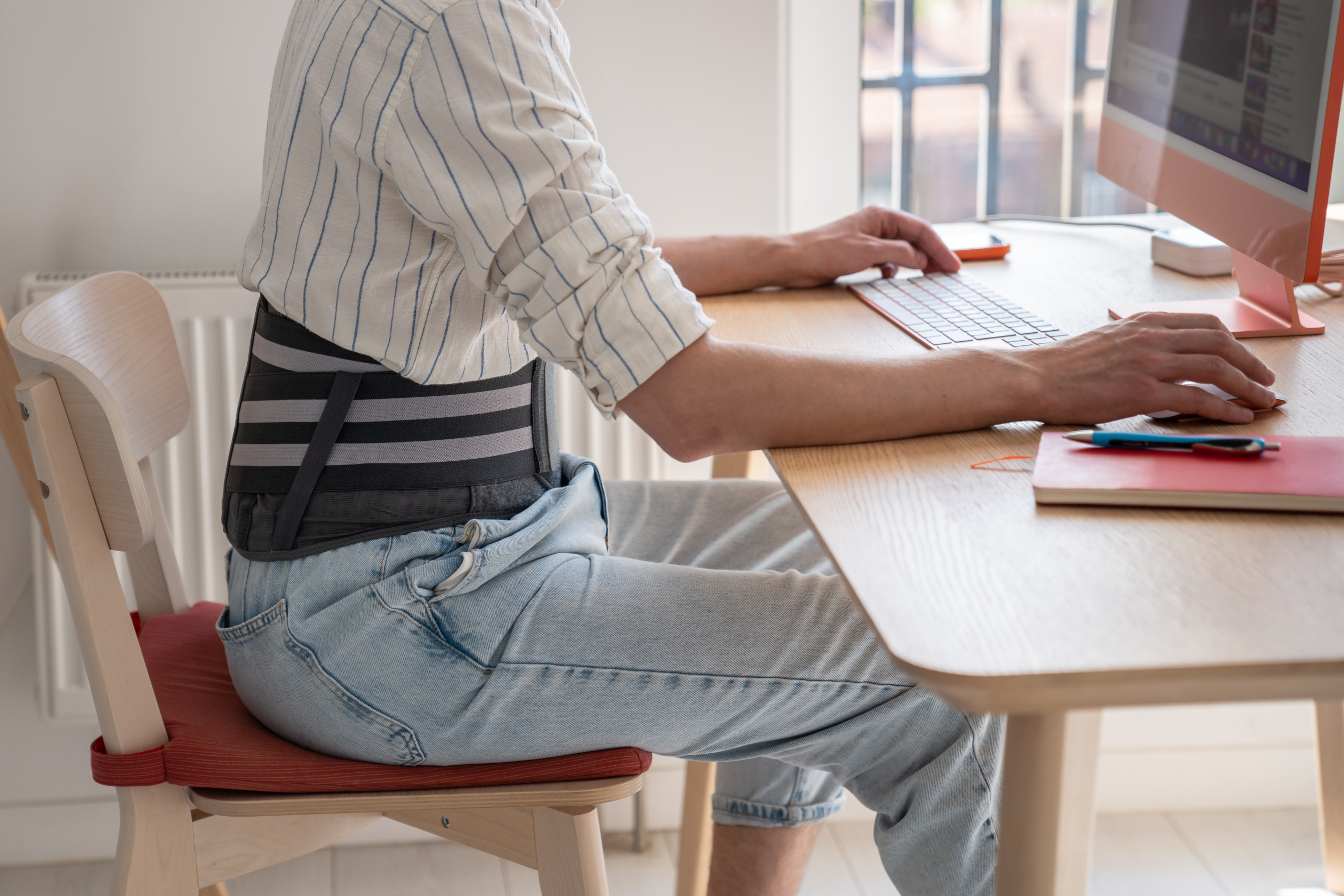
If those basics are off, no product will fully solve the problem. But once those are in place, the right posture support can still make a big difference and if lower back pain is part of the picture, a lower back support belt can help too.
Where posture support products fit in
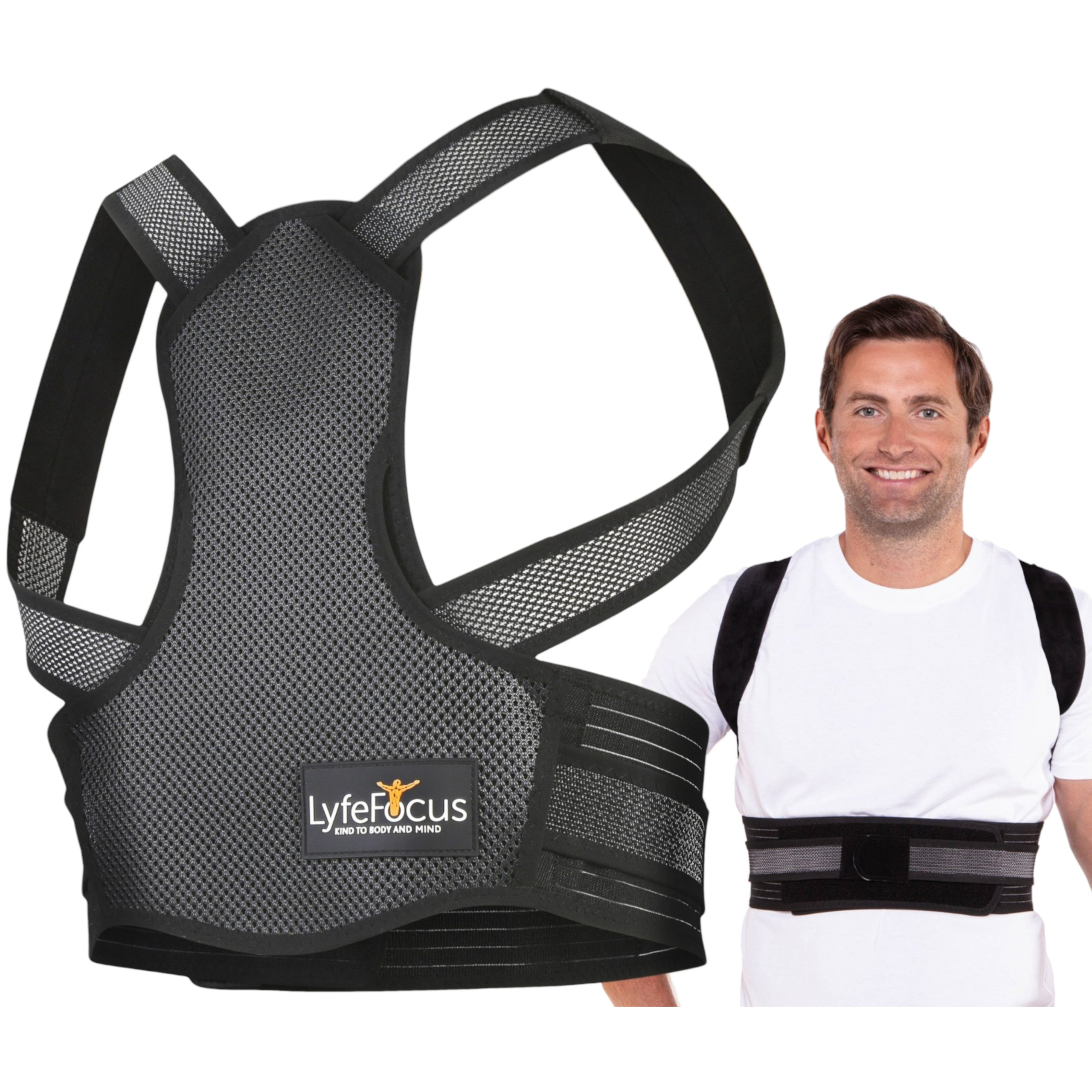
A posture corrector can be useful because it gives your body feedback. It reminds you when you are starting to round too far or let the shoulders drift forwards. That gentle cue can make long desk days feel less draining and can help you maintain a more open, supported position for longer.
This is where some people get confused. They think a posture product only matters if it completely fixes posture on its own. That is the wrong standard. The real value is that it helps you stay more aware, more comfortable, and more consistent with better habits throughout the day.
For people who work long hours at a laptop or regularly feel the upper back and shoulders collapse late in the day, that support can be a genuinely worthwhile investment.
How to use it well
Use posture support as part of the day, not as a punishment. Wear it during the periods when you usually start to slump, such as the afternoon or during focused desk work. Pair it with screen adjustments, breathing, and standing breaks. That combination is where it becomes genuinely effective.
The best results usually come when posture support is used to reinforce a healthier routine, not to replace one. In practical terms, that means it helps you follow through on what you already know you should be doing.
Signs it is helping
You are less likely to feel folded in half by evening. The chest feels less closed. The shoulders do not sit as high. You notice bad habits sooner. Those changes matter, because better awareness usually comes before better long term posture.
Posture support at work is not about rigid perfection. It is about making the working day easier on your back, shoulders, and neck. Fix the setup first, then use a posture support product to strengthen consistency and awareness. Done that way, it becomes a practical part of daily comfort rather than a gimmick gathering dust.

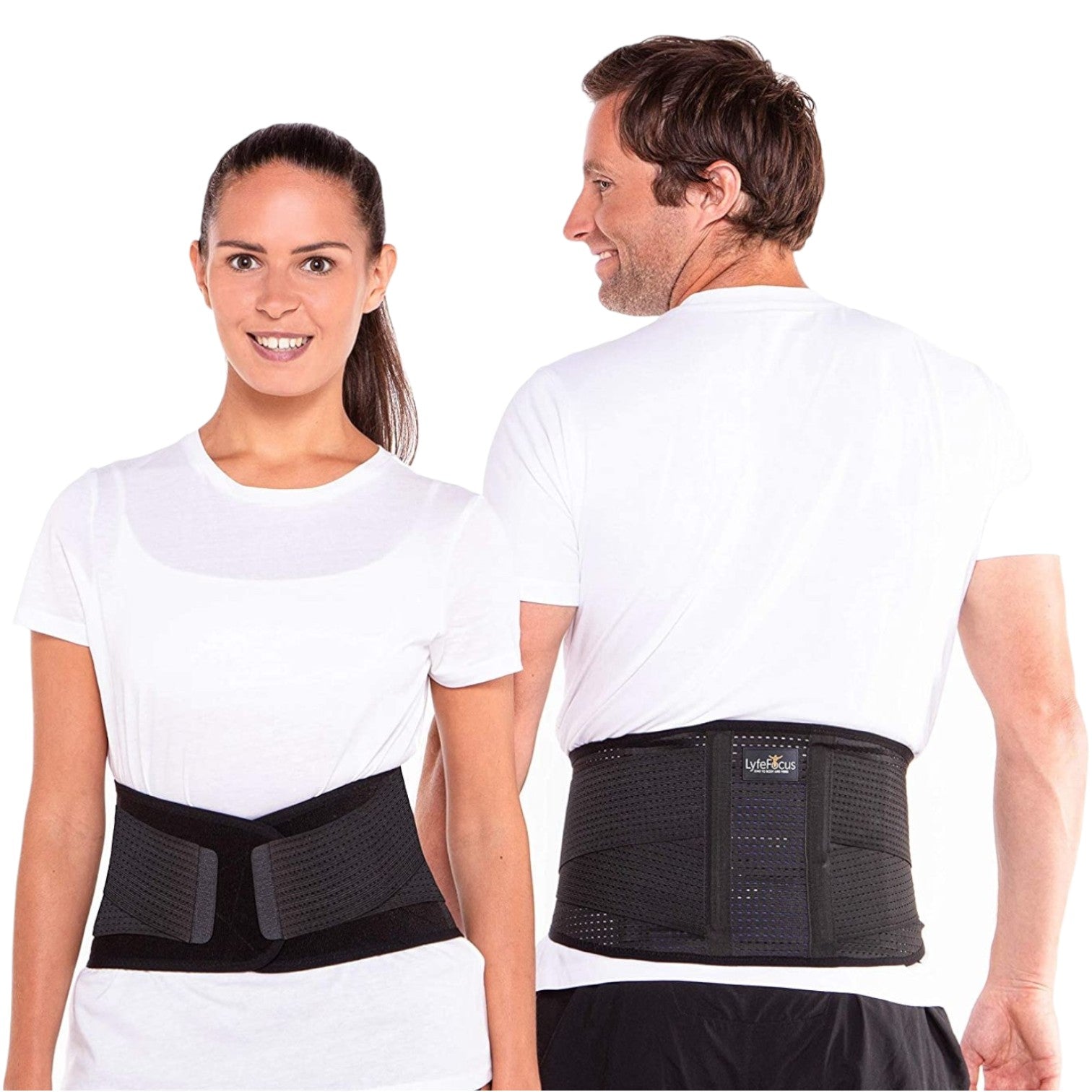
Lower Back Support Belt
Designed to deliver maximum lower back support, giving you the confidence to get active and moving.
Posture Corrector S1 (Black)
Take the first step toward better posture and lasting comfort.
Shop Now →