Best Sleeping Position for Lower Back Pain: Practical Guidance for Better Comfort and Recovery
Finding the best sleeping position for lower back pain can significantly improve comfort, mobility, and overall wellbeing. Poor sleep posture is one of the most common contributors to stiffness and discomfort, especially for people in physically active or desk-based roles.
In Blackburn, Lancashire, and surrounding areas such as Preston and Lancaster, many workers experience lower back strain due to long hours of standing, sitting, lifting, or repetitive movement. Because of this, understanding proper sleep alignment is essential for recovery and maintaining long-term physical health.
Best Sleeping Position for Lower Back Pain: Why Spinal Alignment Matters
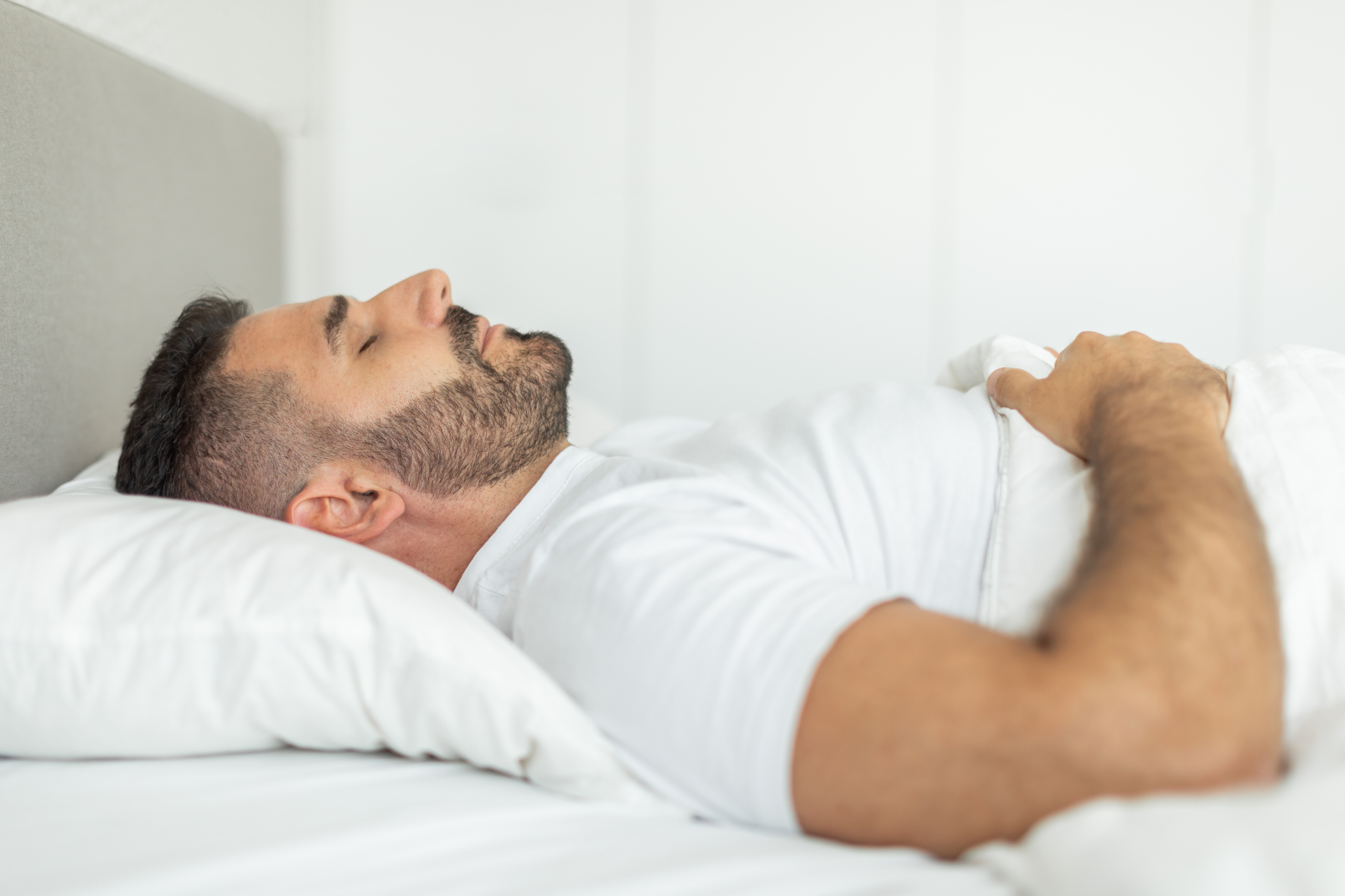
The best sleeping position for lower back pain is one that maintains a neutral spinal alignment. When the spine is not properly supported during sleep, muscles remain tense, increasing discomfort and reducing overnight recovery.
For workers in Blackburn and surrounding Lancashire areas, this is especially important. Physically demanding or sedentary roles can both contribute to lower back strain, making proper rest essential for reducing ongoing discomfort.
Guidance from the NHS on back pain management also highlights the importance of posture and spinal alignment in reducing pain and supporting recovery.
Side Sleeping: One of the Best Positions for Lower Back Relief
Side sleeping is widely considered one of the most effective positions for lower back pain when done correctly.
To improve spinal alignment:
- Place a pillow between the knees
- Keep knees slightly bent
- Ensure the head pillow supports a straight neck alignment
This position helps reduce strain on the lumbar spine and prevents the pelvis from rotating unnaturally during sleep.
For individuals across Blackburn, Preston, and Lancaster, side sleeping can be particularly helpful after long workdays involving physical strain or prolonged sitting.
Back Sleeping with Support for the Lower Body
Back sleeping can also be highly effective when properly supported.
To optimise this position:
- Place a pillow under the knees
- Use a supportive pillow for the neck
- Maintain the natural curve of the spine
This reduces pressure on the lower back and helps distribute body weight more evenly across the mattress.
Many people with lower back discomfort find this position useful for overnight recovery and muscle relaxation.
Workplace Strain and Its Impact on Lower Back Pain
Lower back pain is often linked to daily activities such as lifting, bending, long periods of sitting, or repetitive movement.
Without proper recovery, these strains can carry into sleep, making discomfort more noticeable at night and affecting energy levels during the day.
That’s why sleep posture plays an important role in maintaining physical wellbeing alongside daily movement habits.
Sleep Environment and Mattress Support
Alongside sleeping position, your sleep environment has a major impact on lower back comfort.
A medium-firm mattress is generally recommended as it provides balanced support for the spine. A mattress that is too soft may cause sinking and misalignment, while an overly firm surface may increase pressure points.
Additional improvements include:
- Supportive pillows for neck and knees
- Maintaining a consistent sleep schedule
- Reducing screen time before bed to support relaxation
Sleep Product That Support Back Pain Relief
When considering how to relieve severe lower back pain, your mattress and sleep setup matter just as much as your posture.
One supportive option is ergonomic bedding designed to improve spinal alignment and reduce pressure points.
At Unique Homecare, we recommend using Posture Corrector. This type of support product helps maintain posture throughout the night and may reduce stiffness caused by poor alignment. Combined with proper sleeping position, it can significantly improve back pain relief results over time.
FAQs
What is the best sleeping position for lower back pain?
Side sleeping with a pillow between the knees or back sleeping with knee support is generally recommended for spinal alignment.
Can work activities cause lower back pain at night?
Yes. Physical strain or prolonged sitting during the day can contribute to muscle tension that becomes more noticeable at night.
Is back sleeping or side sleeping better?
Both can be effective. The best option depends on comfort and proper spinal support.
Does mattress type matter for lower back pain?
Yes. A medium-firm mattress is usually recommended to support proper spinal alignment.
Can improving sleep position reduce back pain?
Yes. Correct sleep posture can reduce pressure on the lower back and improve recovery overnight.
Contact Lye Focus
For individuals in Blackburn, Preston, Lancaster, and surrounding areas, managing lower back pain is important for maintaining comfort and daily performance. The best sleeping position for lower back pain focuses on spinal alignment, proper support, and consistent sleep habits.
Small adjustments to sleep posture and environment can make a noticeable difference in reducing discomfort and improving recovery. At Lyfe Focus, we are dedicated in helping adults to relief pain in easy way as possible.

Posture Corrector S1 (Black)
Take the first step toward better posture and lasting comfort.
Shop Now →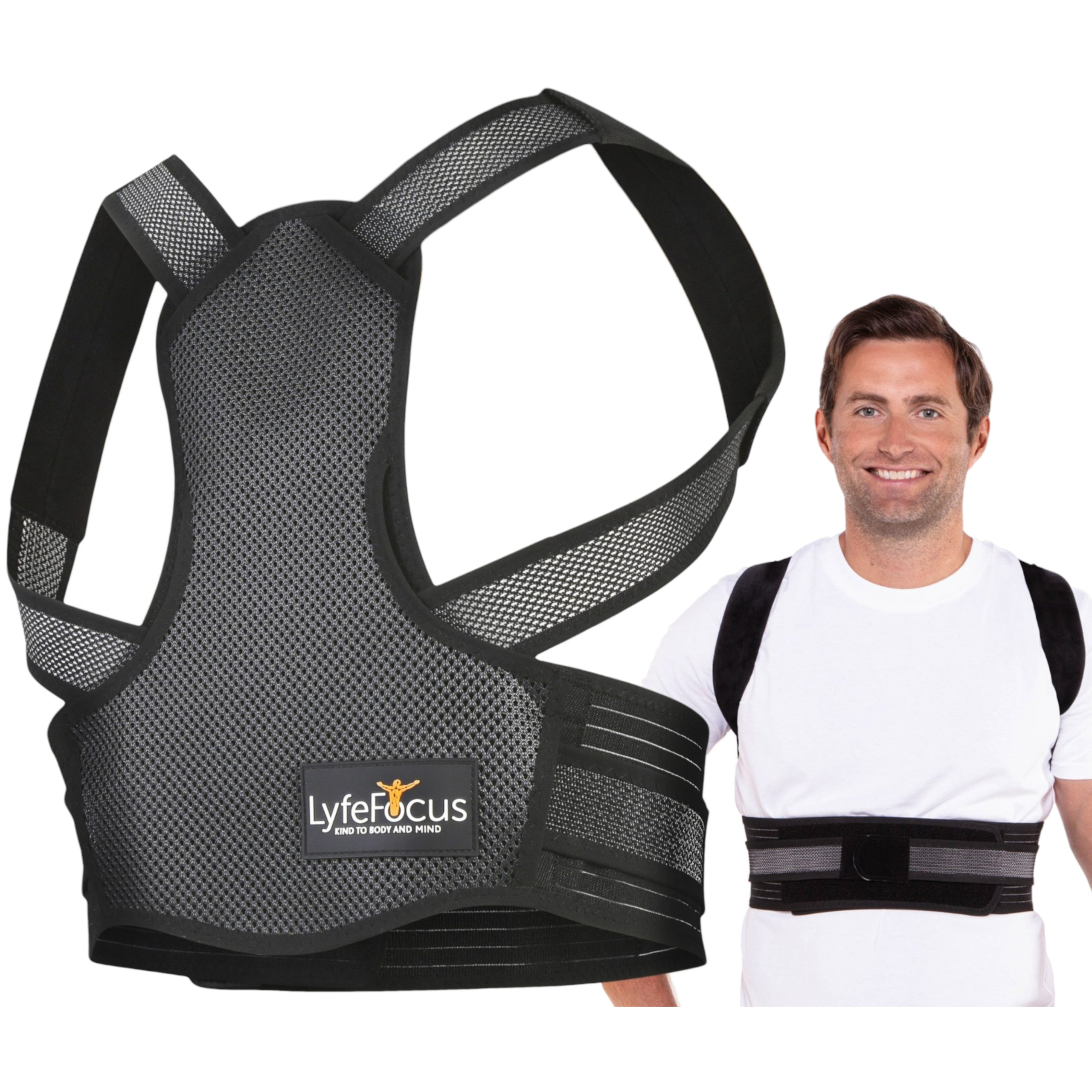
Related posts:
 Lower Back Pain That Shoots Down Your Legs: What It Usually Means And What To Do Today
 Back Support Belt For Lower Back Pain: When It Helps, When It Hurts, And How To Pick One
 Back Stretcher For Pain Relief: What It’s For, How To Use It, And Common Mistakes
 How to Relieve Severe Lower Back Pain: Effective Back Pain Relief Strategies
