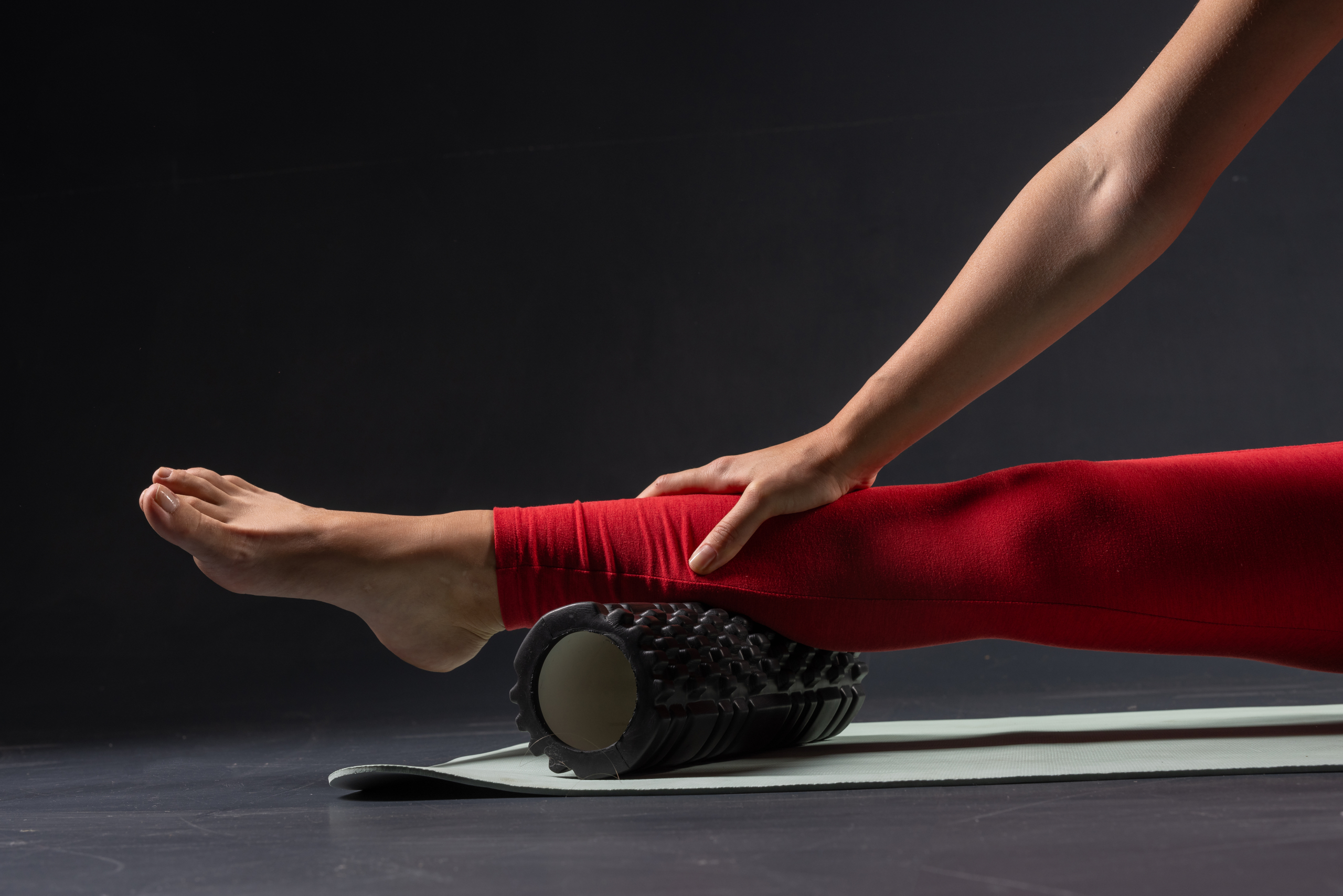
The Ultimate Guide to the Benefit Of Foam Rolling for Better Mobility
Keeping our bodies moving smoothly is a core part of living a healthy, independent life. However, an active lifestyle—or even long hours spent sitting at an office desk or driving—can often leave us dealing with stiff muscles, nagging back aches, and joint discomfort.
If you are searching for an effective, at-home method to relieve tension, speed up recovery, and regain your freedom of movement, you have likely come across self-myofascial release. Understanding the primary benefit of foam rolling can completely transform how you approach physical recovery, pain management, and daily well-being.
What is Self-Myofascial Release?
Before diving into the specific advantages, it helps to understand exactly what happens to your body during a rolling session. Foam rolling is a form of self-myofascial release (SMR). Fascia is the dense, fibrous network of connective tissue that wraps around every muscle, bone, nerve, and organ in your body.
When your body experiences stress—whether from intense exercise, repetitive movements, or prolonged sitting—the fascia can become tight, restricted, and inflamed. This restriction forms “knots” or trigger points that limit your range of motion and cause localized or radiating pain. By using a foam roller to apply targeted pressure to these areas, you help break up these adhesions, allowing the tissue to return to its natural, fluid state.
The Primary Benefit Of Foam Rolling: Enhanced Muscle Recovery and Reduced Soreness
The most widely celebrated benefit of foam rolling is its incredible ability to accelerate muscle recovery and significantly reduce post-exercise discomfort. Anyone who has faced the dreaded Delayed Onset Muscle Soreness (DOMS) forty-eight hours after a heavy workout knows how debilitating it can be to walk down stairs or bend over.
When you use a high-quality foam roller on tired muscles, you stimulate blood flow to the targeted area. This increased circulation delivers oxygen and vital nutrients directly to the damaged muscle fibres while simultaneously flushing out metabolic waste products, such as lactic acid.
According to comprehensive clinical research published by the National Institutes of Health (NIH), self-myofascial release tools significantly alleviate muscle soreness and improve vertical jump recovery. By incorporating this simple practice into your evening routine while relaxing at home, you can drastically cut down your downtime between workouts or busy workdays.
Secondary Advantages: Flexibility, Mobility, and Stress Relief
While pain relief and recovery are paramount, regular rolling offers a cascade of physical and mental advantages that improve your everyday quality of life.
1. Improved Range of Motion and Flexibility
Tight muscles and restricted fascia naturally shorten your stride and limit your joint mobility. Spending just ten minutes rolling out major muscle groups—such as your calves, hamstrings, quads, and upper back—can instantly improve your flexibility. Unlike static stretching, which simply elongates the muscle, rolling relaxes the protective tension held within the nervous system, allowing your joints to move through their full, natural range of motion without sacrificing muscle power.
2. Injury Prevention and Posture Correction
For those working sedentary jobs, hours hunched over a laptop can cause the chest and hip flexors to tighten, pulling the spine out of alignment. Utilizing a roller to open up the thoracic spine and loosen tight hips corrects these imbalances. Balanced, relaxed muscles put far less strain on your joints, lower back, and tendons, drastically reducing your risk of acute injuries or chronic wear-and-tear. If you have recently overexerted your body, balancing your soft-tissue work with proper recovery protocols—such as implementing the PRICE method for back strain relief—is crucial to restoring postural integrity.
3. Nervous System Down-Regulation
The physical pressure of rolling acts similarly to a deep-tissue massage, triggering the parasympathetic nervous system. This helps lower your heart rate, reduce cortisol (stress hormone) levels, and transition your body into a state of rest and repair. It is an excellent ritual to perform right before bed to improve your sleep quality.
Effective Usage of Foam Roller
To maximize the advantages of your routine, technique matters. Avoid rolling directly over bony joints or your lower lumbar spine. Instead, focus on the meaty portions of your muscles.
Move slowly, progressing at a rate of about one inch per second. When you hit a tender spot or a trigger point, pause. Hold the pressure on that specific area for 20 to 30 seconds while taking deep, controlled diaphragmatic breaths. The discomfort should feel like a “good hurt”—similar to a sports massage. If you experience sharp, shooting pain, stop immediately.
Frequently Asked Questions
Can foam rolling help with chronic lower back pain in older adults?
Yes, when done correctly. While you should avoid rolling the lower spine directly to prevent hyper-extension, rolling the glutes, hamstrings, and upper back can dramatically take the pressure off your lower back. Many individuals find that releasing tight hip structures provides immense relief from daily lower back stiffness.
How often should I practice self-myofascial release?
For the best results, consistency is key. Spending 5 to 10 minutes rolling every day or every other day is highly effective. You can use it as a dynamic warm-up before a long walk to increase blood flow, or as a cool-down method in the evening to promote deep muscle relaxation.
Is a vibrating foam roller better than a standard foam roller?
Vibrating options combine the structural pressure of a traditional roller with targeted wave frequencies. The vibration helps desensitize the nervous system’s pain receptors, allowing you to work deeper into stubborn muscle knots with significantly less discomfort, making it an excellent choice for individuals with low pain thresholds.
Whether you are looking to smash your personal bests at the weekend, recover from a grueling shift, or simply manage everyday age-related stiffness, the benefit of foam rolling is undeniable. By taking control of your physical recovery through self-myofascial release, you can keep your body moving smoothly, comfortably, and entirely pain-free.
Ready to take the next step toward a pain-free lifestyle? Get in touch with our team today to learn more about our wellness solutions and how we support your health journey.

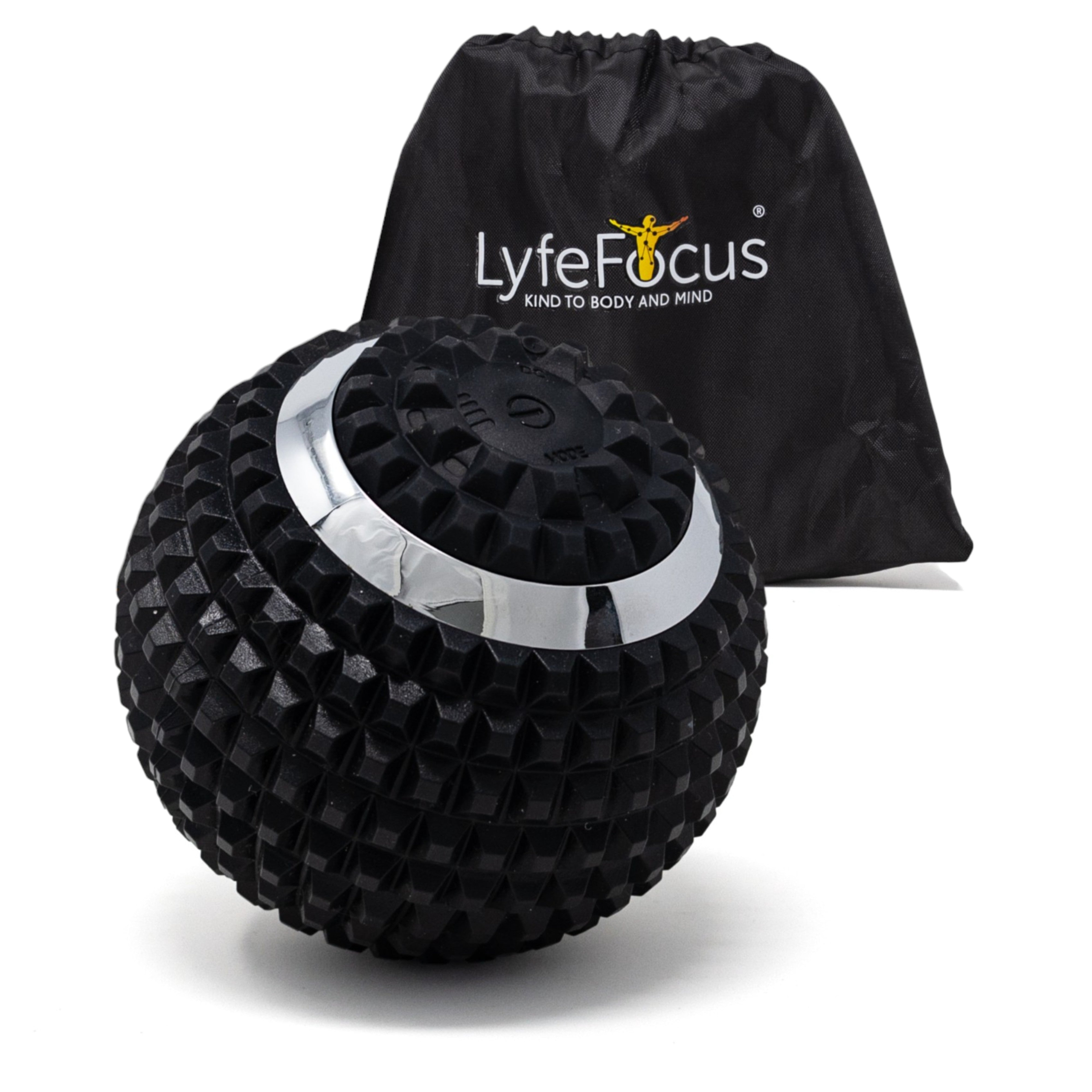
Vibrating Massage Ball (Black)
The LyfeFocus Massage Ball helps to ease muscle pain by massaging deep muscle tissue.
Shop Now →