Do Ice Baths Really Help with Inflammation?
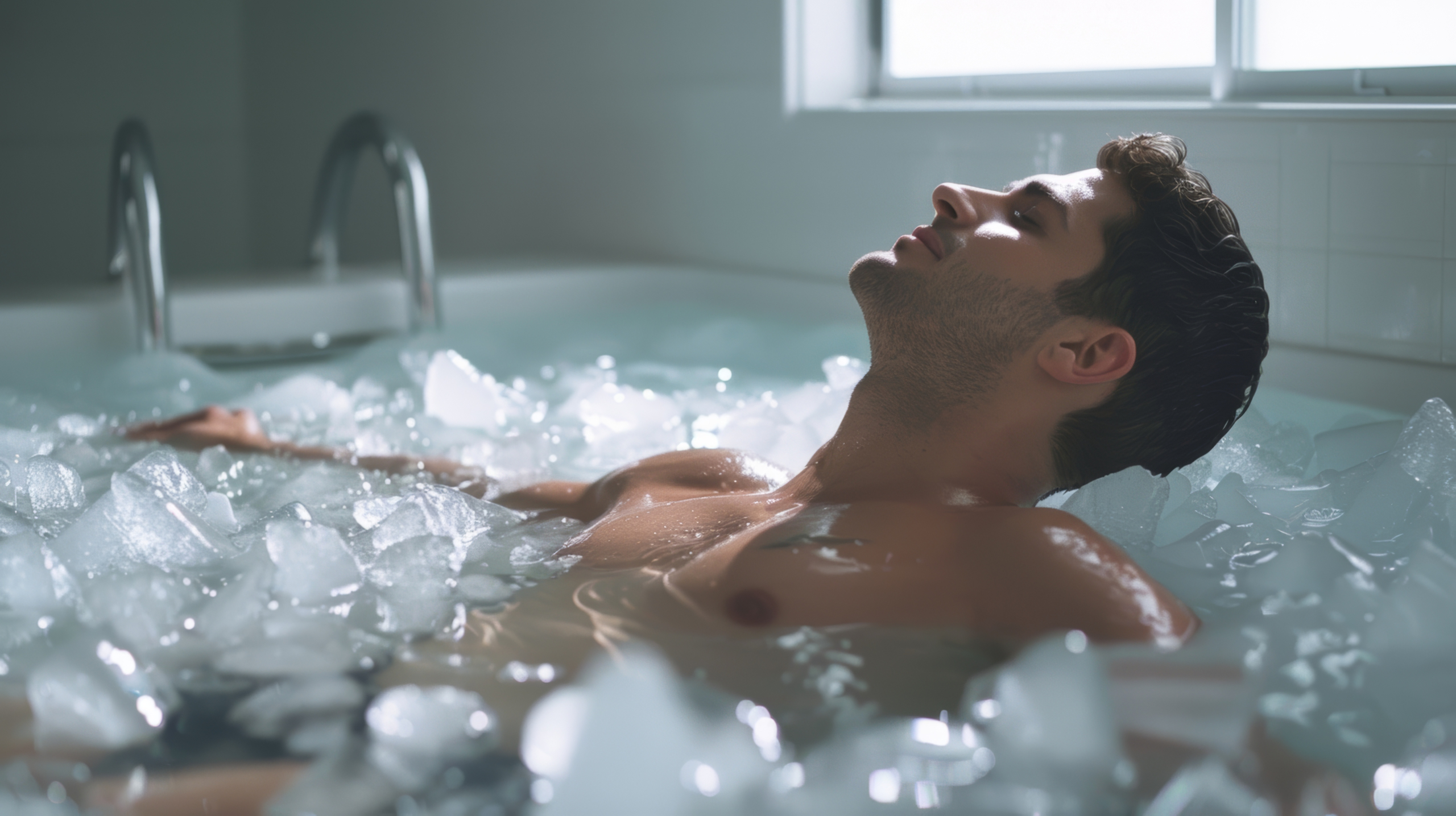
Cold water immersion reduces inflammation by constricting blood vessels and slowing the release of pro-inflammatory cytokines in muscle tissue. An ice bath for inflammation works best when the water temperature sits between 10°C and 15°C, with sessions lasting 10 to 15 minutes for safe and effective results.
Why Inflammation Happens and Why Cold Water Targets It
Before you fill a tub with cold water, it helps to understand what you’re actually dealing with. Inflammation is your body’s natural response to stress, injury, or intense physical activity. When you train hard, run the streets around Avenham Park, or spend a full day on your feet, your muscle fibres experience micro-damage. Your immune system responds by sending blood and fluid to those areas, which causes the redness, swelling, and soreness you feel the next day.
This type of inflammation, known as acute inflammation, is not inherently bad. In fact, some degree of it is necessary for muscle adaptation and growth. The problem comes when it lingers, becomes excessive, or interferes with your ability to train consistently or carry out daily tasks.
Cold water works against this process through a mechanism called vasoconstriction. When your body is submerged in cold water, blood vessels near the skin’s surface contract sharply. This reduces blood flow to the muscles, slows down metabolic activity in the tissue, and limits the accumulation of waste products like lactic acid. According to NHS guidance on soft tissue injuries, applying cold to an injury site is a well-established first-aid measure precisely because of this physiological effect.
What the Research Actually Shows
The science behind cold water therapy is fairly robust, though not without nuance. A Cochrane review on cold water immersion for exercise recovery found that it significantly reduces delayed onset muscle soreness (DOMS) compared to passive rest. This is particularly relevant for people who train multiple times per week, whether that’s CrossFit, football, cycling, or any other sport popular in the Preston area.
However, it is worth flagging one important caveat: using cold therapy too frequently, particularly immediately after resistance training, may blunt long-term muscle growth. If your main goal is hypertrophy, you might want to reserve ice baths for days when recovery is the priority rather than directly after heavy lifting sessions.
Here is a straightforward comparison of the most common recovery methods used for inflammation:
| Recovery Method | Effect on Inflammation | Best For | Approx. Time Required |
|---|---|---|---|
| Ice bath (10-15°C) | Strong vasoconstriction, reduces swelling | Acute soreness, post-event | 10-15 minutes |
| Compression garments | Moderate, reduces fluid pooling | Ongoing low-level inflammation | Worn for hours |
| Active recovery (light movement) | Mild, promotes circulation | General fatigue | 20-30 minutes |
| NSAIDs (e.g. ibuprofen) | Pharmacological anti-inflammatory | Acute pain and swelling | As directed |
| Foam rolling | Minimal direct anti-inflammatory effect | Tight muscles, mobility | 10-20 minutes |
How to Set Up and Use an Ice Bath Safely
Getting an ice bath right is not complicated, but there are a few things to get in place before you start.
Temperature: Aim for between 10°C and 15°C. Anything below 10°C significantly increases the risk of cold shock, hypothermia, and nerve issues, particularly for those who are new to the practice. Use a thermometer rather than guessing.
Duration: Start with 5 to 8 minutes if you are new to cold immersion. Work up to 10 to 15 minutes over several sessions. Do not exceed 20 minutes. Prolonged exposure offers no additional anti-inflammatory benefit and increases risk substantially.
Timing: Most practitioners recommend taking an ice bath within 30 to 60 minutes of finishing your training session. This is when your muscles are still warm and blood flow is elevated, making vasoconstriction more effective.
What to wear: A swimsuit or shorts is sufficient. Some people find that wearing neoprene socks helps with toe sensitivity, which is often the most uncomfortable part of cold immersion.
Key steps to follow:
- Fill your bath or tub with cold water first, then add ice gradually
- Check the temperature with a thermometer before getting in
- Enter the water slowly rather than jumping in
- Control your breathing; slow, deep breaths help manage the cold shock response
- Set a timer and get out before you feel the urge to rush out
- Warm up passively afterwards, ideally with a warm drink rather than a hot shower immediately
Is Ice Bath Worth Using at Home?
If you are based in Preston and thinking about building a recovery routine at home, having the right kit makes a genuine difference. Convenience matters; if the set-up is a faff, you will skip it.
One product worth looking at is the Lyfe Focus Ice Bath, a purpose-built cold plunge tub designed for home use. Unlike repurposing a regular bathtub, a dedicated plunge tub retains cold temperatures more efficiently thanks to insulated walls, which means you use less ice and spend less time managing the temperature. It’s a practical, cost-effective choice for anyone in Preston who wants a reliable recovery setup without a gym membership.
For those who also want to support their recovery from the inside, the Magnesium Supplement is worth considering alongside your cold water sessions. Magnesium plays a key role in muscle relaxation and reducing inflammatory markers. Pairing it with cold water therapy gives you a two-pronged approach: external vasoconstriction from the cold, and internal muscle support through supplementation. It is particularly useful for people who train in the evenings and struggle with sleep-disrupting muscle soreness.
If you are looking for local spots in Preston to learn more about cold therapy or try it in a group setting, a few gyms and wellness studios in the city centre have added cold plunge facilities. It is worth ringing ahead, as availability varies.
Things to Know
- An ice bath for inflammation is not a replacement for proper rest. Recovery still requires sleep, nutrition, and a manageable training load.
- People with cardiovascular conditions, Raynaud’s disease, or circulatory problems should speak to a GP before trying cold water immersion. The NHS provides guidance on cold-related conditions if you need a starting point.
- Cold therapy may not be equally effective for everyone. Genetics, body composition, and acclimatisation all affect how your body responds to cold water immersion.
- Jumping straight into a hot shower after an ice bath partially reverses the vasoconstriction effect. Let your body warm up naturally for at least 10 to 15 minutes first.
- There is a difference between chronic inflammation (long-term, low-grade, linked to conditions like arthritis) and acute inflammation from exercise. Ice baths are most effective for the latter.
- According to data from Sport England, participation in recreational sport and physical activity in the North West, including Preston, has been increasing, which means recovery practices like cold water therapy are becoming increasingly relevant locally.
Common Mistakes That Reduce the Effectiveness of Cold Therapy
Even people who have been doing cold water immersion for a while can get things wrong. Here are the most frequent errors:
Water that is too cold: It might seem like colder equals better, but going below 10°C can cause your muscles to cramp and your breathing to become erratic. You also risk damaging superficial nerves with prolonged extreme cold.
Sessions that are too short: A quick two-minute dip barely counts. You need at least 8 to 10 minutes for the vasoconstriction and anti-inflammatory effects to take hold meaningfully.
Doing it too often: Daily ice baths can suppress the inflammatory response to the point where your muscles adapt less effectively to training. Two to four sessions per week is a reasonable ceiling for most people.
Neglecting hydration: Cold water immersion causes your body to work harder internally. Make sure you are well-hydrated before and after each session.
Relying on it as the only recovery tool: The British Journal of Sports Medicine’s research on recovery strategies consistently shows that sleep, nutrition, and load management are the primary drivers of recovery. Cold therapy enhances these, it does not replace them.
Ready to Start Your Cold Recovery Routine?
If you have been dealing with lingering soreness, slow recovery between sessions, or that heavy-legged feeling that just will not shift, cold water therapy could be the missing piece in your routine. The single most useful thing you can do right now is get your hands on a purpose-built plunge tub so that the barrier to starting is as low as possible.
Contact Us today and explore our range of ice bath and recovery products. Whether you pick up a dedicated cold plunge tub, a magnesium supplement, or both, you will be investing in a recovery habit that compounds over time. Preston’s active community deserves better recovery tools, and this is one of the most straightforward places to start.
Frequently Asked Questions
Q1: How long should you stay in an ice bath for inflammation relief?
The optimal duration for an ice bath for inflammation is between 10 and 15 minutes, with beginners starting closer to 5 to 8 minutes.
Going beyond 20 minutes offers no additional benefit and increases the risk of hypothermia and nerve damage. Consistency across multiple sessions matters far more than duration in any single session. Work up gradually rather than pushing too hard too soon.
Q2: Can you use an ice bath for inflammation caused by an injury rather than exercise?
Cold water immersion can help reduce swelling and pain from acute soft tissue injuries, but you should consult your GP or physiotherapist before using it for a specific injury.
For some injuries, particularly those involving nerve damage or open wounds, cold therapy is contraindicated. The NHS recommends using an ice pack wrapped in a cloth for isolated injuries rather than full body immersion, at least initially.
Q3: How often should you take an ice bath if you train regularly?
Two to four ice baths per week is a reasonable frequency for most active people, balancing recovery benefits against the risk of blunting muscle adaptation.
Daily cold immersion may actually hinder muscle growth by suppressing the inflammatory signals that drive adaptation. Prioritise ice baths after your most demanding sessions and use lighter recovery methods on other days.
Q4: Does the temperature of the water really matter for reducing inflammation?
Yes, water temperature significantly affects the physiological response. Between 10°C and 15°C is considered the therapeutic sweet spot for most adults.
Below 10°C, the cold shock response becomes too intense for most people, particularly without experience. Above 15°C, the vasoconstriction effect diminishes noticeably, reducing the anti-inflammatory benefit. Always use a thermometer to verify before getting in.
Q5: Are there any people who should avoid ice baths?
People with cardiovascular disease, Raynaud’s phenomenon, peripheral artery disease, or who are pregnant should avoid ice baths unless specifically cleared by a medical professional.
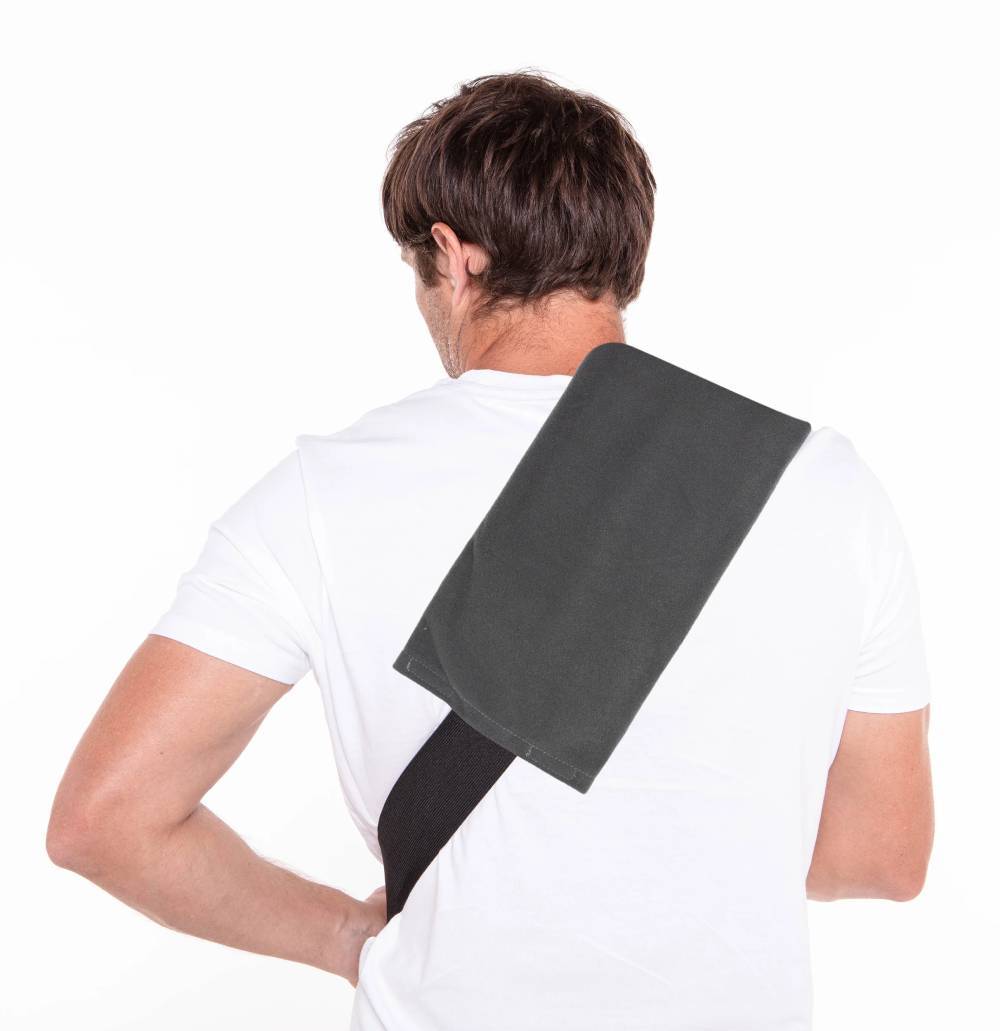
Get hands-free relief anywhere with versatile hot or cold therapy.
Hot/Cold Pack Small (Grey Cover)