Ice Bath Duration: 5 Simple Rules for Safe Cold Therapy
Ice bath duration is the single most important variable to get right when you start cold water therapy. Too short, and you miss the recovery benefits you came for. Too long, and you expose yourself to real risks including numbness, afterdrop, and in extreme cases, serious cardiac stress. The question of ice bath duration is not as simple as most online guides suggest. There is no universal number that works for every person, every temperature, and every goal. What there are, however, are clear principles backed by sports science and physiotherapy guidance that will help you find the right ice bath duration for your situation and build it safely over time.
Why Ice Bath Duration Matters More Than Temperature
Most beginners focus on the temperature of the water when they first try cold immersion. They chase the lowest number on the thermometer, assuming colder means better. In practice, ice bath duration has a far greater influence on the outcome than how cold the water is. A well-timed immersion at 12 to 15 degrees Celsius will outperform a reckless plunge into near-freezing water every time, both in terms of recovery benefit and safety.
The body’s response to cold water follows a clear sequence. During the first 60 to 90 seconds, the cold shock response triggers rapid breathing, an elevated heart rate, and a surge of adrenaline. This is the phase that catches most beginners off guard. After that, if you remain calm and breathe steadily, the body begins to adapt. Blood vessels constrict, tissue temperature drops, and inflammation begins to reduce. This is where ice bath duration starts to deliver real value. The benefits accumulate within the immersion window, not beyond it, which is why understanding ice bath duration is the foundation of any effective cold therapy routine.
The 5 Rules of Ice Bath Duration
Rule 1: Beginners Start at 1 to 3 Minutes
If you are new to cold water immersion, your target ice bath duration is one to three minutes. That is not a suggestion. That is the physiologically appropriate starting point for an unconditioned body encountering cold shock for the first time. The Bradford District Care NHS Foundation Trust notes that cold water immersion triggers a strong physical response, and that cold water therapy should be approached with care, particularly by those new to the practice. Starting at one to three minutes gives your nervous system time to acclimate without overwhelming it.
Rule 2: The Effective Window is 5 to 10 Minutes
Once you have two to three weeks of regular practice behind you, the optimal ice bath duration for muscle recovery and inflammation reduction falls between five and ten minutes. Research into cold water immersion consistently identifies this range as the point at which physiological benefits are most clearly delivered: vasoconstriction reduces swelling, tissue temperature drops meaningfully, and the rebound circulation effect after you exit accelerates muscle repair. Extending your ice bath duration well beyond ten minutes does not proportionally increase the benefit and does increase the risk of afterdrop, where your core temperature continues to fall after you leave the water.
Rule 3: Temperature Changes Your Optimal Ice Bath Duration
Ice bath duration and water temperature are directly linked. Colder water demands shorter immersion. Experts recommend reducing ice bath duration to under five minutes when the water temperature is between 2 and 6 degrees Celsius. At the more typical range of 10 to 15 degrees, a five to ten minute ice bath duration is considered both effective and safe for most healthy adults. As a working rule: every degree lower in temperature should prompt you to shorten your ice bath duration rather than extend it. Chasing extreme cold for extended periods is where cold therapy stops being recovery and starts being a risk.
Rule 4: Never Exceed 15 Minutes
Fifteen minutes is the upper boundary for ice bath duration under any circumstances. Beyond this point, the body’s thermoregulatory systems are under significant strain. The risk of non-freezing cold injury, nerve damage, and cardiovascular stress increases sharply. For context, sports science research classifies immersions of under ten minutes as short, ten to fifteen minutes as medium, and anything above fifteen minutes as long-duration immersion warranting clinical supervision. For home use, a fifteen-minute ice bath duration is the absolute ceiling, not a target. Most people will get everything they need from five to ten minutes.
Rule 5: Build Ice Bath Duration Gradually
Ice bath duration is a progressive variable. It should increase slowly over weeks, not days. A practical progression for beginners looks like this: start at one to two minutes for the first week, move to three to four minutes in week two, and aim for five to eight minutes by weeks three and four. From there, most people find their natural ceiling and stay within it. There is no performance benefit to pushing ice bath duration beyond what your body has adapted to. The goal is consistency over weeks and months, not heroics in a single session.
Tailoring Your Routine to Your Goals
Your target time will shift slightly depending on what you are trying to achieve:
- For Muscle Recovery: The most studied protocols use 5 to 10 minutes at 10°C to 15°C after intense training.
- For Mental Resilience: Shorter, more frequent sessions (such as 3 to 5 minutes daily) appear to be more effective for nervous system adaptation than occasional long plunges.
- For General Wellbeing: A consistent routine of 5 minutes, two to three times per week, delivers noticeable benefits within a month.
A quick note on muscle growth: If you are training specifically for muscle hypertrophy (size) and strength, be mindful of your timing. Cold immersion within four hours of a resistance training session can blunt the anabolic muscle-building signals your body produces post-workout. In that context, keeping sessions shorter or moving them exclusively to rest days is the smarter approach.
What to Do Before and After Your Ice Bath Duration Window
Preparation and recovery matter just as much as the time spent in the water.
Before getting in, ensure the water is at your target temperature using a thermometer and make sure you aren’t alone, especially if you’re a beginner. Breathe slowly and enter the water gradually rather than jumping straight in. Focus entirely on exhaling to manage the initial cold shock.
Once your timer goes off, exit carefully, dry off, and dress in warm layers promptly. Resist the urge to jump straight into a hot shower. Giving your body 20 to 30 minutes to rewarm naturally allows the rebound circulatory effect to work fully, maximizing the overall health benefits of your ice bath.
Safety Warning: If you feel dizzy, unusually shivering, or notice a complete loss of sensation in your hands or feet, exit immediately. These are clear signs that your body is under more stress than it can safely handle.
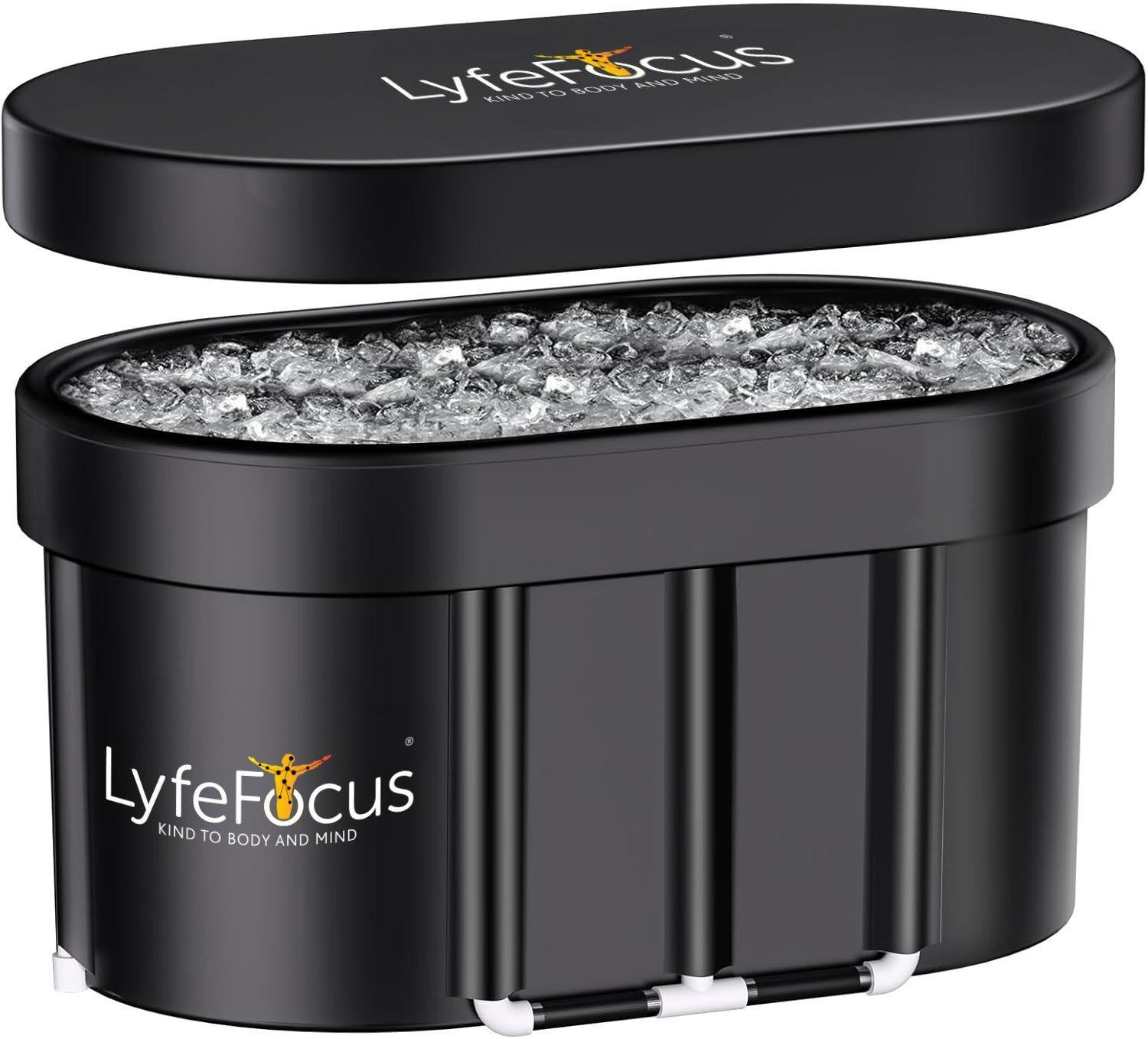
Investing in a quality ice bath with good insulation, a built-in thermometer, and a reliable drainage system makes managing your ice bath duration far easier and safer at home. Additionally, there are many proven benefits for ice bath
Precision Over Endurance
Getting your ice bath duration right is the difference between a recovery tool that works and a habit that causes harm. Start conservatively, build progressively, and track how your body responds at each stage. Ice bath duration is not about endurance. It is about precision. Five minutes at the right temperature, done consistently, will deliver more benefit than fifteen minutes done once and never repeated.
Need help choosing the right product to get started? Our team is available to help you find the right solution — drop us a message anytime via our contact page.
Upgrade your recovery with an immersive, full-body ice bath experience.
Ice Bath (Black Top)