When to Use Heat vs Ice for Pain: 7 Simple Rules for Relief
Reaching for the wrong treatment can make pain worse instead of better. Knowing when to use heat vs ice for pain is one of the simplest skills you can learn for managing everyday aches, from a stiff neck after a long day at your desk to a fresh ankle sprain. The two therapies work in opposite ways, and mixing them up can slow recovery or increase swelling. This guide breaks down exactly when to use heat vs ice for pain, with seven practical rules you can apply right away, whether you are dealing with a sudden injury or ongoing tension from sitting at a screen all day.
When to Use Heat vs Ice for Pain: The Basic Rule
The general answer to when to use heat vs ice for pain comes down to timing and cause. Ice works best in the first 48 to 72 hours after an injury, when swelling and inflammation are at their highest. Heat works best for stiff, tense muscles with no active swelling. Once you understand when to use heat vs ice for pain, you can respond to almost any ache with confidence instead of guesswork.
Rule 1: Ice First for Swelling and Fresh Injuries
If you have just twisted an ankle, pulled a muscle, or knocked a joint, ice should be your first move. Cold reduces blood flow to the area, which limits swelling and numbs sharp pain. Apply a cold pack wrapped in a cloth for around 15 to 20 minutes at a time, several times a day, for the first two to three days. This is one of the clearest examples of when to use heat vs ice for pain, since applying heat too early can increase swelling and slow healing.
Rule 2: Heat for Stiff Muscles and Chronic Aches
Once swelling has settled, or if your pain is really about tightness rather than injury, heat becomes the better option. Warmth increases blood flow, relaxes tense muscle fibres, and eases stiffness that builds up from long hours at a desk. A warm compress or heated gel pack applied for 15 to 20 minutes can loosen tight shoulders, a stiff lower back, or an aching neck. This is another key moment for knowing when to use heat vs ice for pain, because heat on an already swollen area can make things worse rather than better.
Rule 3: When to Use Heat vs Ice for Pain by Type
Not every ache fits neatly into one category. Working out when to use heat vs ice for pain also means recognising what type of pain you are dealing with. Sharp, sudden pain with visible swelling usually calls for ice. Dull, ongoing tightness without swelling usually responds better to heat. Headaches and joint flare ups often benefit from cold, while tension related pain and muscle spasms usually settle with warmth.
Common pain types and their best match:
- Sprains and strains, first 72 hours: ice
- Muscle stiffness or tension: heat
- Arthritis flare ups: ice
- Chronic lower back tightness: heat
- Tension headaches: ice
- Post workout soreness: heat, once swelling has gone
These are general guidelines rather than strict rules, since every body responds a little differently to temperature therapy. If a treatment does not bring any relief within a day or two, it is worth trying the other option or checking in with a doctor. Chronic conditions such as arthritis often respond better to a mix of both, used at different points during a flare up.
Rule 4: Timing and Duration Matter
Getting the timing right is just as important as choosing the correct method. Apply ice for no more than 20 minutes at a time, with breaks in between, to avoid skin damage. Heat sessions should also stay around 15 to 20 minutes, since prolonged exposure can dry the skin or cause burns. This timing guidance is central to knowing when to use heat vs ice for pain safely, rather than picking whichever feels good in the moment.
Rule 5: Alternating Heat and Ice for Recovery
Some situations call for both. Athletes and desk workers recovering from strain sometimes alternate cold and warmth to reduce inflammation while also easing tightness. Start with ice to calm swelling, then move to heat once the acute phase has passed, usually after two to three days. Learning when to use heat vs ice for pain in this alternating pattern can speed up recovery from stubborn aches that do not fully resolve with one method alone.
Rule 6: Common Mistakes to Avoid
Even with the basics understood, a few mistakes are common. Applying heat to a fresh, swollen injury can trap inflammation and slow healing. Using ice for too long can numb the skin and cause damage similar to frostbite. Placing either pack directly on bare skin, without a towel or cover, raises the risk of burns or ice burn. Avoiding these errors is a big part of knowing when to use heat vs ice for pain in every situation, not just the obvious ones. Another frequent error is stopping too soon. A single ten minute session rarely settles inflammation or loosens a genuinely stiff muscle. Staying consistent across the first few days after an injury, or during a stretch of desk-related tension, makes a bigger difference than one perfect session.
Rule 7: Check for Health Conditions First
Before reaching for either treatment, consider your health background. Heat and cold therapy are not always suitable for people with poor circulation, nerve damage, or certain skin conditions. If you are ever unsure, speak to a healthcare professional before applying either method. This final rule matters because knowing when to use heat vs ice for pain also means knowing when to avoid both and get professional advice instead.
When to Use Heat vs Ice for Pain at Your Desk
For office workers, the choice often comes down to tension rather than injury. Hours of sitting at a screen create tight shoulders, a stiff neck, and lower back aches that build slowly rather than appear suddenly. In these cases, heat is almost always the better option. Knowing when to use heat vs ice for pain caused by posture and prolonged sitting can make the difference between a five minute fix and days of ongoing discomfort. If you want a deeper look at timing your recovery, our guide on cold packs, heat packs, and recovery timing walks through exactly how desk workers should choose between the two after a long day.
Picture finishing a long shift at your desk with a tight, aching lower back. There is no swelling and no injury, just built up tension from sitting still for hours. This is a textbook case for heat rather than ice. If you roll your ankle on the stairs that same evening, ice becomes the priority instead. Recognising the difference is the whole point of learning when to use heat vs ice for pain in daily life, not just after sports injuries.
A similar pattern shows up with tension headaches. Many people reach for a hot towel out of habit, when a cold pack across the forehead or the back of the neck often brings quicker relief by calming the nerves involved in headache pain.
According to Harvard Health Publishing, cold therapy works best in the hours right after an injury, while heat becomes more useful once swelling has settled and pain shifts toward stiffness. This lines up closely with the rules above and confirms that timing, not personal preference, should guide the decision.
Start Feeling the Difference
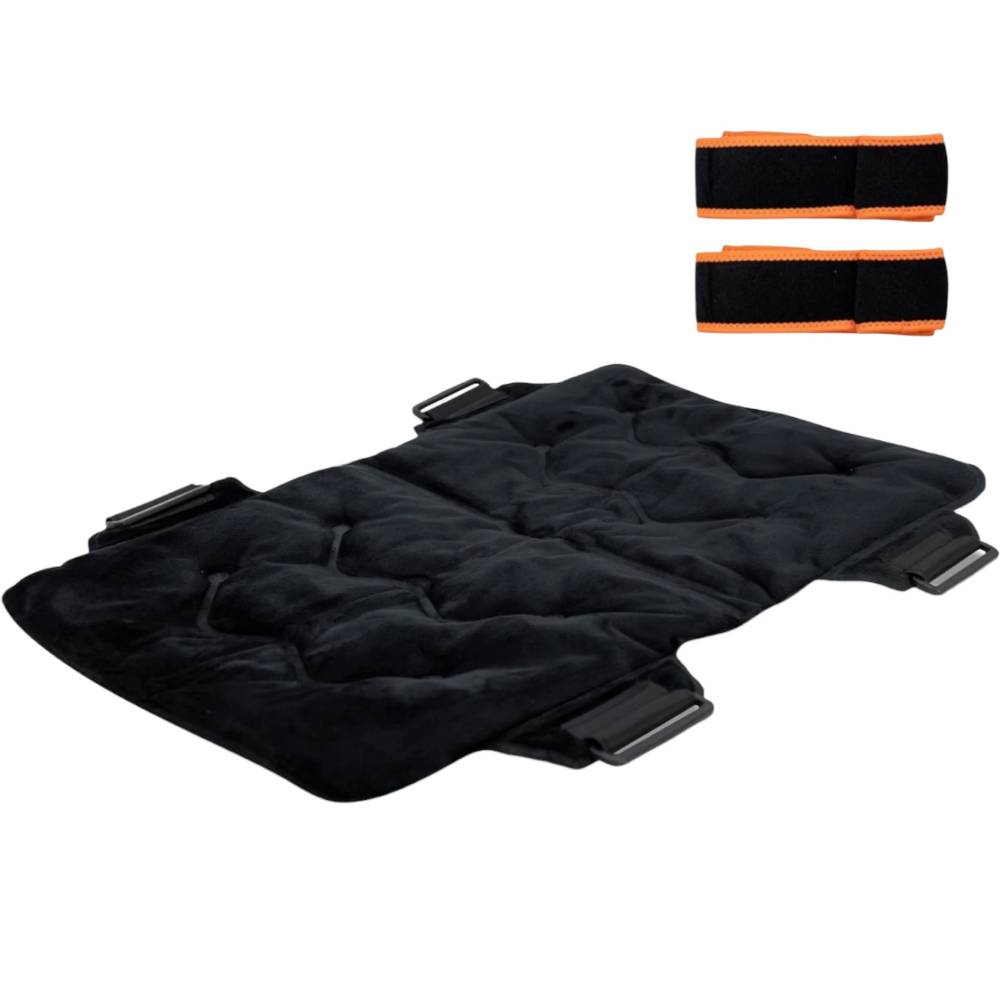
Getting comfortable with when to use heat vs ice for pain takes a little practice, but the rules are simple once they click. Ice calms swelling and sharp pain, heat eases stiffness and tension, and correct timing keeps either method safe. If you have questions about which product suits your situation, our support team is happy to help, visit our support page. A reusable hot and cold pack gives you both options in one tool, ready whenever pain shows up. Because the same pack can be warmed in the microwave or chilled in the freezer, you are never caught without the right therapy on hand, whether the issue is a stiff desk-related ache or a fresh knock to the shin.
Ease tension fast with full-back hot or cold relief.
Hot/Cold Pack X-Large