Heat or Ice for Muscle Soreness: 7 Proven Ways to Recover
Woke up unable to lift your arms above your head, or limping down the stairs after leg day? You are not alone. Most people reach for whatever is closest, a bag of frozen peas or a hot water bottle, without knowing if it actually helps. Choosing heat or ice for muscle soreness the right way can mean the difference between bouncing back in a day or staying stiff for a week. This guide breaks down exactly when to use each, the mistakes to avoid, and how to build a simple recovery routine that actually works.
What Causes Muscle Soreness in the First Place
That deep ache you feel a day or two after a hard workout is called delayed onset muscle soreness, or DOMS. It happens when tiny fibres in the muscle tissue are stressed beyond what they are used to, causing microscopic tears and localised inflammation. The soreness usually peaks between 24 and 72 hours after activity, then fades on its own. Searching heat or ice for muscle soreness online often turns up conflicting advice, mostly because the right answer depends on the cause.
This is different to an acute injury like a sprain or strain, where swelling and sharp pain appear almost immediately. Knowing which one you are dealing with is the first step, because it changes whether heat or ice for muscle soreness is the smarter choice. Treating a fresh strain with heat, or a stiff, aching muscle with ice alone, can slow down your recovery rather than speed it up.
Desk workers often notice soreness creeping in without any workout at all. Hours spent hunched over a laptop tighten the neck, shoulders, and lower back, producing a dull ache that mimics post-exercise soreness. In these cases, the underlying cause is sustained muscle tension rather than tissue damage, which matters when deciding on treatment. Desk-related aches are one of the clearest examples of why the heat or ice for muscle soreness question needs a specific answer, not a generic one.
Heat or Ice for Muscle Soreness: 7 Rules to Get It Right
Deciding between heat or ice for muscle soreness does not need to be complicated. Follow these seven simple rules and you will get it right almost every time.
- Use ice within the first 48 hours after a new injury, sprain, or strain.
- Reach for heat when muscles feel tight, stiff, or chronically sore rather than freshly injured.
- Never apply ice or heat directly to bare skin, always use a cloth barrier.
- Limit each session to 15 to 20 minutes to avoid skin damage.
- Allow the skin to return to normal temperature before reapplying either therapy.
- Skip heat if the area is swollen, bruised, or visibly inflamed.
- Combine both, cold first then heat later, for stubborn muscle tightness that lingers for days.
Keeping this simple checklist in mind takes the guesswork out of heat or ice for muscle soreness, whatever the cause. Most people only need one or two of these rules to fix the majority of everyday aches, but knowing all seven means you are prepared for anything from a twisted ankle to a stiff neck after a long shift at a desk.
When Cold Therapy Works Best
Cold therapy narrows blood vessels, which slows swelling and numbs sharp pain. It is the better pick straight after a new strain, a pulled muscle, or any soreness paired with visible puffiness. Athletes often reach for cold immersion after intense training for exactly this reason, since it can blunt the initial inflammatory response.
If you want to take cold therapy further, our guide to safe cold therapy timing covers exactly how long to stay in and how to avoid overdoing it. For shorter, targeted sessions on a single sore muscle, apply for short bursts, several times a day, and always give your skin a break between sessions. If you notice numbness, tingling, or skin discolouration, remove the cold pack immediately and let the area warm back up naturally.
Cold therapy is also useful for headaches and swollen joints, not just muscle soreness. The same principle applies everywhere on the body, reduced blood flow means reduced swelling and a numbing effect on the nerves that carry pain signals. When people ask whether heat or ice for muscle soreness works faster for a fresh injury, cold almost always wins for the first two days.
When Heat Therapy Works Best
Heat widens blood vessels, drawing fresh blood and oxygen into tired tissue. This makes it ideal for muscles that feel tight, stiff, or achy without any swelling, especially first thing in the morning or before a workout. Increased circulation also helps flush out waste products that build up in overworked muscle fibres.
A warm compress relaxes tense fibres and can make stretching feel far more comfortable. For older, lingering soreness that has settled into your shoulders or lower back, heat usually beats ice for genuine relief. Many people find a warm bath, heating pad, or wearable heat wrap works well before bed, when muscles have had all day to stiffen up. This is often the simplest way to settle the heat or ice for muscle soreness debate for everyday stiffness.
Chronic tension from sitting at a desk responds particularly well to heat, since the underlying issue is restricted blood flow and tight fascia rather than fresh tissue damage. A short session of gentle heat before your evening stretch routine can make a noticeable difference within a week. For this type of lingering tightness, heat is generally the better half of the heat or ice for muscle soreness decision.
Heat or Ice for Muscle Soreness: Can You Combine Both
Yes, and many physiotherapists recommend it. Contrast therapy, alternating between cold and heat, can flush the area with fresh circulation while still calming inflammation. The rapid switch between narrowed and widened blood vessels acts almost like a pump, encouraging waste products out of the tissue and fresh nutrients in.
A good rule of thumb for heat or ice for muscle soreness that will not budge: start with cold to calm any swelling, wait until your skin returns to normal, then switch to heat to loosen tight fibres and encourage blood flow. Repeat this cycle two or three times over a session, and continue over a few days for stubborn tightness that has not responded to either therapy alone. This contrast approach is often the answer when someone cannot decide between heat or ice for muscle soreness because their symptoms overlap.
Common Mistakes to Avoid With Heat or Ice for Muscle Soreness
Even with a clear idea of when to use each therapy, small errors can undo the benefit. These are the mistakes worth watching for when weighing up heat or ice for muscle soreness at home.
- Applying heat to a fresh, swollen injury, which can make inflammation worse.
- Leaving an ice pack on for too long, risking numbness or skin damage.
- Skipping the barrier cloth and placing ice or heat straight onto skin.
- Assuming more heat or more cold always means faster recovery, it does not.
- Ignoring pain that does not improve after a few days of self-treatment.
Avoiding these simple mistakes makes the whole process of managing heat or ice for muscle soreness far more effective, and far less painful. It is also worth remembering that hot and cold therapy treats symptoms, not the underlying cause, so pairing it with proper stretching and rest gives the best long-term results.
Alongside hot and cold therapy, gentle movement supports recovery too. The NHS guide to easing pain highlights how staying gently active can reduce discomfort rather than prolong it, which pairs well with any hot or cold routine you build at home.
Start Feeling the Difference
Sore muscles do not have to derail your week. Once you have the heat or ice for muscle soreness basics down, recovery becomes far less stressful. Understanding heat or ice for muscle soreness, and knowing exactly when to reach for each, puts recovery back in your control, whether the soreness came from a workout, a long shift at your desk, or an old niggle that keeps coming back.
Want to know more before you commit? Our friendly support team is happy to chat, just get in touch with any questions about which recovery tool suits you best.
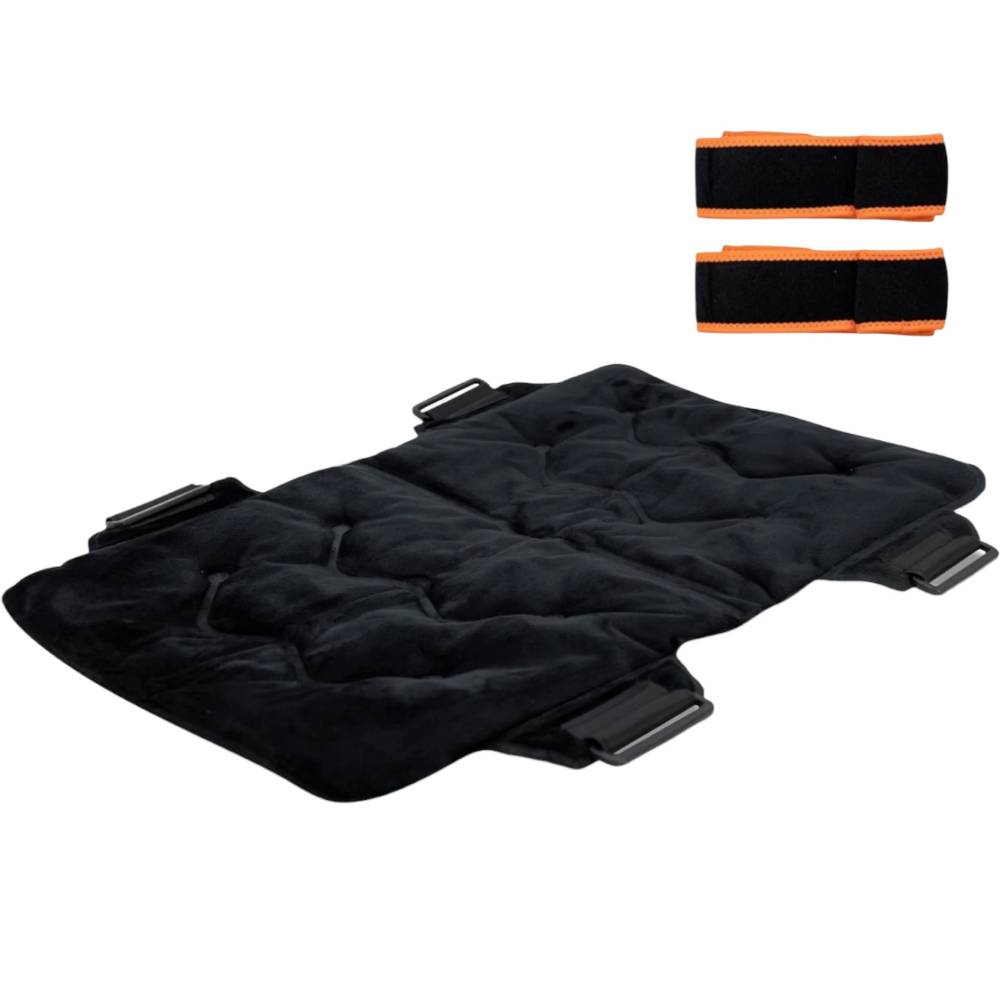
Ease tension fast with full-back hot or cold relief.
Hot/Cold Pack X-Large