Why Modern Stress Triggers Anxiety, Tension and Pain (And What You Can Do About It)
Imagine you are living with a small family group out on the plains of Africa. Your priorities are simple: find enough food, avoid predators, and stay connected to the group.
In that world, stress makes sense. When the fight or flight system activates, it is usually because there is an immediate physical threat. Your brain sends signals to your muscles so you can run, fight, or protect yourself. The danger passes, your body recovers, and you return to normal.
That system worked brilliantly for our ancestors. The problem is that modern stress has outpaced the nervous system’s ability to adapt..
From Survival Stress to 24/7 Pressure
For thousands of years, daily life followed predictable rhythms. When the sun rose, people woke
up. When it set, they slept. Deadlines existed, but they were tied to seasons, weather, and nature. Food was gathered, hunted, stored, and consumed in time with the environment.
Then, in a very short time, the world industrialised. Life became dominated by the clock.
Suddenly it became normal to wake up in the dark, live under artificial light, and structure everything around fixed schedules and constant deadlines. Trains, starting times, targets, and performance metrics became non-negotiable. Work weeks stretched longer. Recovery time shrank. Rest and digest became optional.
In other words, modern stress stopped being occasional. It became continuous
Why Anxiety Is Rising
For many people, modern stress has become the baseline. Anxiety has increased significantly in recent decades, particularly in younger adults, with multiple factors often contributing at the same time.
- Lack of job security or stable income
- Debt and financial pressure
- A sense of reduced control over the future
- Information overload and constant connectivity
- Social media comparison and performance pressure
Social media deserves special attention. It pushes people to present a curated version of life while constantly consuming curated versions of other people’s lives. That creates pressure to look successful, productive, attractive, happy, and in control, even when reality feels completely different.
The result is a nervous system that rarely switches off.
How Stress Shows Up in the Body
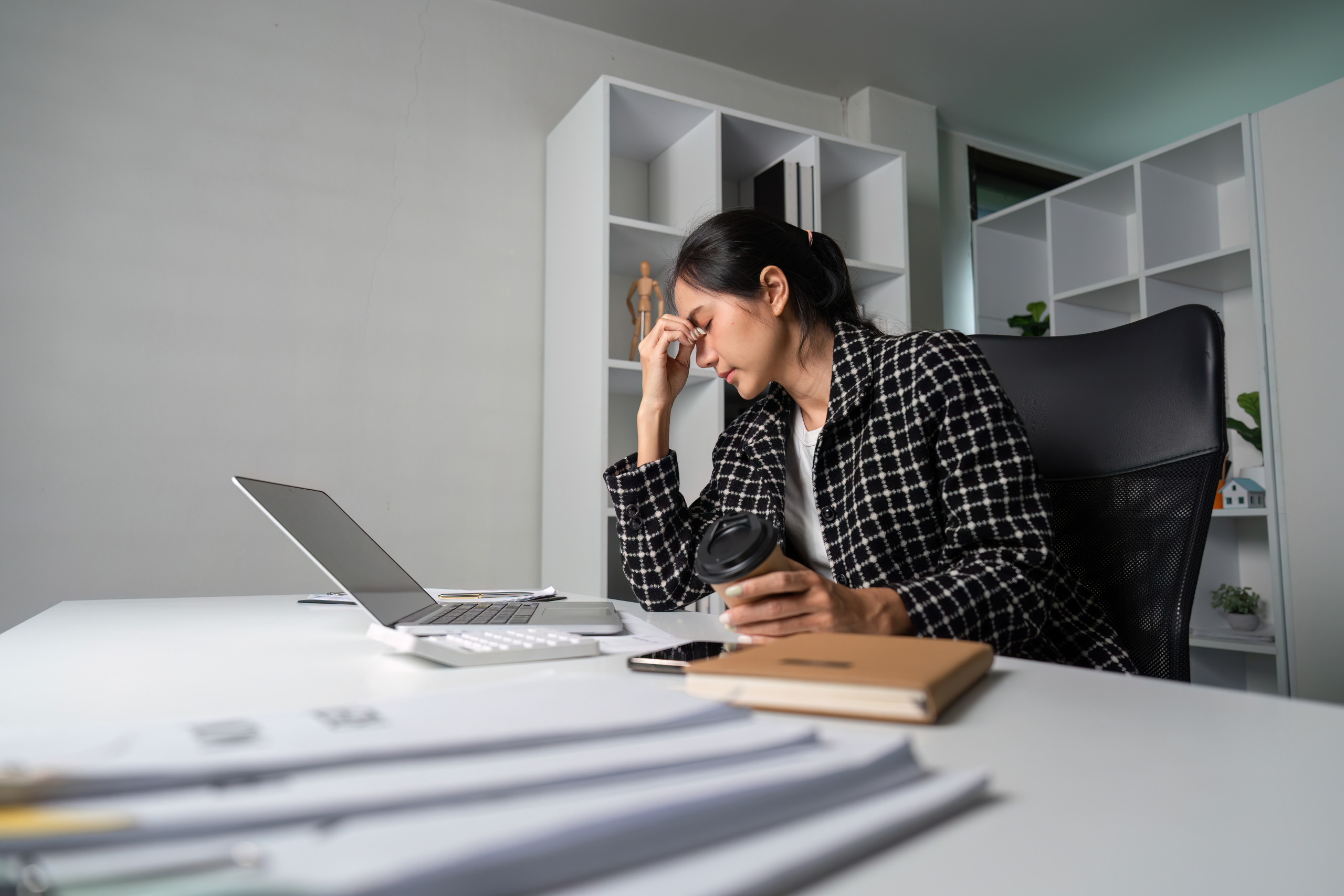
Here is the part most people miss. Anxiety is not just “in your head.” It is a whole-body response.
When your brain interprets threat, even if that threat is an email, a deadline, or financial worry, your body responds as if you need to run for your life.
This is how modern stress becomes physical pain:
- Tight shoulders, stiff neck, and upper back tension
- Lower back pain linked to muscle guarding
- Tension headaches
- Jaw clenching and teeth grinding
- Digestive discomfort, including stress-linked gut symptoms
- Shallow breathing and chest tightness
The body becomes a coiled spring, constantly braced, constantly on edge. Over time, that tension becomes pain, and pain creates more stress, locking you into a cycle that feels hard to escape.
The Part You Can Control (Even When Life Is Chaotic)
You cannot control everything, including how businesses perform or what other people do. But you can control your response to stress, and that is where change starts.
Effective strategies for managing modern stress include:
- Walking away from stressful situations when possible, even briefly
- Regular movement and exercise to discharge built-up stress energy
- Meditation, mindfulness, and relaxation practices
- Breathing exercises that calm the nervous system
- Supportive friendships and peer groups that reduce isolation
- Better focus control, choosing which thoughts you engage with
Breathing is one of the fastest ways to influence your stress response. If you want a simple technique you can use daily, read our guide on breathing techniques to manage stress.
Why Posture and Recovery Matter More Than You Think
Stress does not just affect mood, it affects how you hold yourself. Under pressure, people slump, clench, and brace. That worsens posture and increases strain on the neck, shoulders, and back.
If you spend long hours at a desk, improving posture is not a “nice to have,” it is damage control. See our guide on the importance of posture to reduce tension and prevent pain from becoming persistent.
And if the stress never stops and you feel permanently switched on, you may be sliding toward burnout. This guide will help: how to avoid burnout when working from home.
Support Your Body While You Fix the Bigger Picture
Modern stress often needs long-term change. But while you work on the bigger picture, you still need practical tools that reduce tension now.
If you are dealing with ongoing neck, back, or shoulder tension linked to stress, explore the full range of posture correction and tension-relief tools available at LyfeFocus. Visit lyfefocus.com to discover simple, at-home solutions designed to support your body every day.
These tools are not a magic cure, but they can make recovery realistic by reducing the physical load stress places on your muscles and posture.
Build a Stress Reset Routine That Actually Sticks
The best stress management plan is the one you will do consistently. That means keeping it simple.
- Use breathing exercises daily, not only during panic
- Move your body every day, even if it is short and gentle
- Fix your workstation posture and take frequent breaks
- Create a cut-off point for work and notifications
- Use recovery tools to reduce tension and improve sleep quality
Looking for practical ways to support relaxation, posture, and recovery?
Browse the LyfeFocus range of stress-relief and recovery tools at lyfefocus.com and start supporting your body and mind more effectively.
September 2020
Penelope Ling, Solution-focused hypnotherapist.
BA(hons) RIBA DHP CBT(Hyp) SFBT(Hyp) SFBTSUP(Hyp) AccHypSup MNCH(Acc) CNHC(reg) AfSFH(exec) Member of The College of Medicine, Senior Associate Royal Society of Medicine.
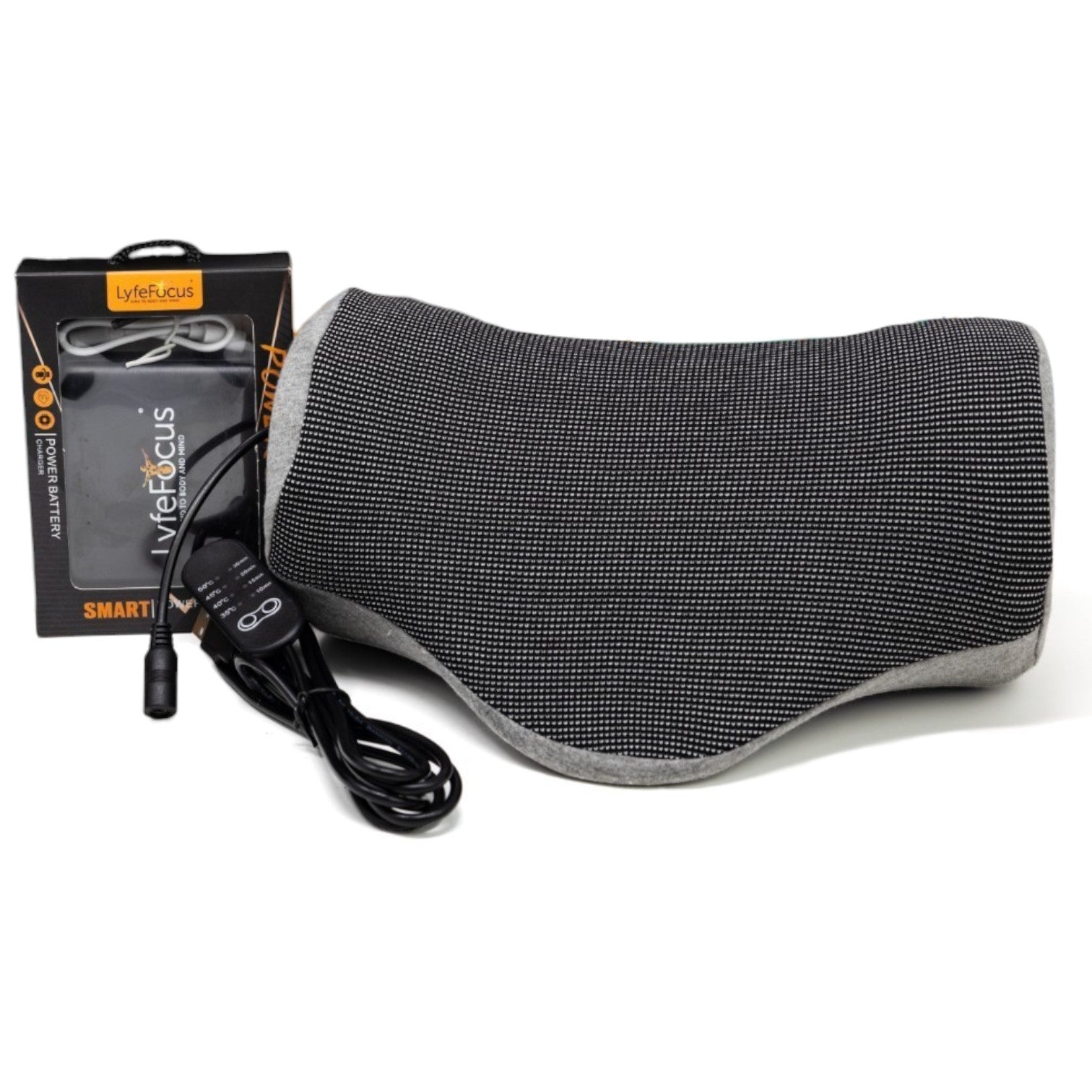
Neck Stretcher With Heat
Relieve neck tension, improve mobility, and relax deeply with soothing heat.
Shop Now →