How Breathing Affects Stress, Anxiety and Physical Tension
When we are faced with a stressful situation, managing stress becomes essential and our breathing changes automatically. Most of the time, we are completely unaware of it.
You might be rushing to meet a deadline, reacting to unexpected pressure at work, or realising you have just missed your train. Your attention is focused on the problem, the consequences, and the mental noise that follows. Meanwhile, your breathing becomes fast, shallow, and irregular.
This unconscious shift in breathing plays a major role in how stress affects both the mind and the body. Understanding this connection is one of the most practical starting points for managing stress effectively.
The Fight or Flight Response and Your Breath
When stress hits, the body enters fight or flight mode. This response prepares you for immediate action, either to run or defend yourself.
In this state, breathing becomes quicker and shallower to deliver oxygen to muscles in short, sharp bursts. This is useful in emergencies, but harmful when triggered repeatedly during everyday life. This repeated activation is one of the biggest obstacles to managing stress in modern working life.
In contrast, when the body is calm and safe, it enters rest and digest mode. Breathing becomes slower, deeper, and more rhythmic. This allows the nervous system to recover, digestion to function properly, and muscles to relax.
The switch between these two states is largely controlled by the vagus nerve, which runs from the brain down to vital organs including the heart, lungs, and gut.
How Slow Breathing Calms the Nervous System
The powerful thing about breathing is that it works both ways. Stress changes breathing, but breathing can also change stress.
By consciously slowing the breath and breathing deeply from the diaphragm, you can send a signal to the brain that you are safe. This encourages the body to shift out of fight or flight and back into rest and digest mode.
In simple terms, you can calm your nervous system by changing how you breathe. This is why breathwork is one of the most accessible tools for managing stress in daily life.
What Happens When Breathing Becomes Shallow
Shallow, rapid breathing can trigger physical symptoms that closely resemble panic attacks.
During a scientific exercise at the Warneford Hospital in Oxford, participants were asked to hyperventilate while connected to monitoring equipment. The effects were immediate and intense, including increased heart rate, loss of control over breathing, tunnel vision, and heightened anxiety.
These are classic symptoms of panic, caused not by danger itself, but by changes in breathing.
Using Breathing Exercises for Managing Stress and Tension
One effective way to calm the body during moments of stress is through vagus nerve breathing exercises. These techniques activate the parasympathetic nervous system and help improve heart rate variability, a key marker of resilience and relaxation.
The goal is to breathe slowly, deeply, and rhythmically from the diaphragm rather than shallowly from the chest.
How to Practice Diaphragmatic Breathing
Follow these steps to practice a simple but effective breathing exercise:
- Sit comfortably in a chair and place your hands on your stomach.
- Breathe in slowly through your nose, allowing your stomach to rise as your lungs fill.
- If your hands do not move, your breathing is too shallow.
- Breathe out slowly and allow your shoulders to relax.
Slow breathing has been used for centuries in practices such as meditation and mindfulness. Buddhist monks, for example, use controlled breathing to slow heart rate and calm the nervous system.
Extended Exhale Breathing Technique
It is particularly effective to breathe out slightly longer than you breathe in. One common method is known as 7/11 breathing, breathing in for seven counts and out for eleven. However, this can be challenging for some people.
Instead, try this adaptable technique:
- Breathe in deeply and count how long your inhale lasts.
- Breathe out and add one extra count.
- Repeat, gradually extending the length of the exhale by one or two counts.
- Relax your muscles as you breathe out.
As you become more comfortable, you can add affirmations to the breath.
On the inhale, think of words such as Calm, Relax, Peace, or Balance.
On the exhale, focus on releasing Tension, Stress, Fear, or Anger.
Continue this practice for at least five minutes.
The Physical Benefits of Controlled Breathing
Regular breathing exercises can help:
- Lower heart rate
- Reduce blood pressure
- Decrease muscle tension
- Improve focus and emotional regulation
Breathing techniques work best when combined with physical strategies that reduce tension and support the body. If you want to understand more about how stress affects muscle tension, that connection is worth exploring before it becomes a longer term problem
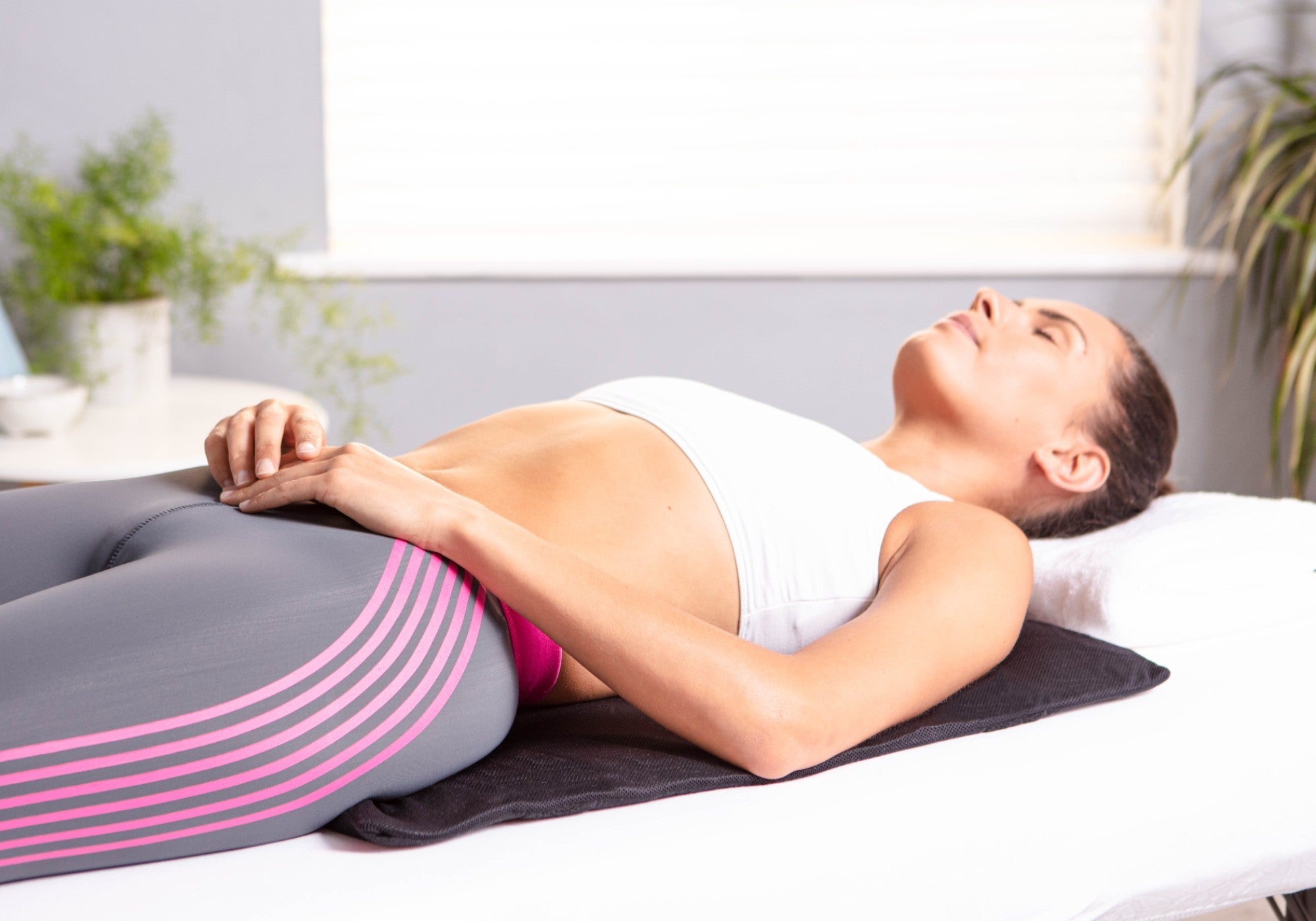
If stress is showing up as tight shoulders, neck pain, or back discomfort, exploring relaxation and recovery tools can help support the nervous system.
If you are experiencing physical tension linked to stress, explore calming and recovery-focused tools available at LyfeFocus.
Visit lyfefocus.com to discover simple, at-home ways to support relaxation and reduce daily tension.
Making Breathing Part of Daily Stress Management
Breathing exercises are not just for moments of crisis. Practised regularly, they help retrain the nervous system to respond more calmly to everyday stress. That is why making breathwork a consistent habit is one of the smartest approaches to managing stress long term.
Combined with good posture, regular movement, and supportive recovery tools, conscious breathing can play a powerful role in improving both mental and physical wellbeing.
Looking for practical ways to support relaxation, posture, and recovery?
Browse the LyfeFocus range of stress-relief and recovery tools at lyfefocus.com and start supporting your body and mind more effectively.
About the Author and Source
Penelope Ling
BA(hons) RIBA DHP CBT(Hyp) SFBT(Hyp) SFBTSUP(Hyp) AccHypSup MNCH(Acc) CNHC(reg) AfSFH(exec) Member of The College of Medicine.
w: www.oxford-hypnotherapy.co.ukWe can find this excerpt in Penny’s book “Driving Me Crazy – Overcome the fear of driving” which you can purchase from Amazon. For more details go to: https://www.oxford-hypnotherapy.co.uk/books
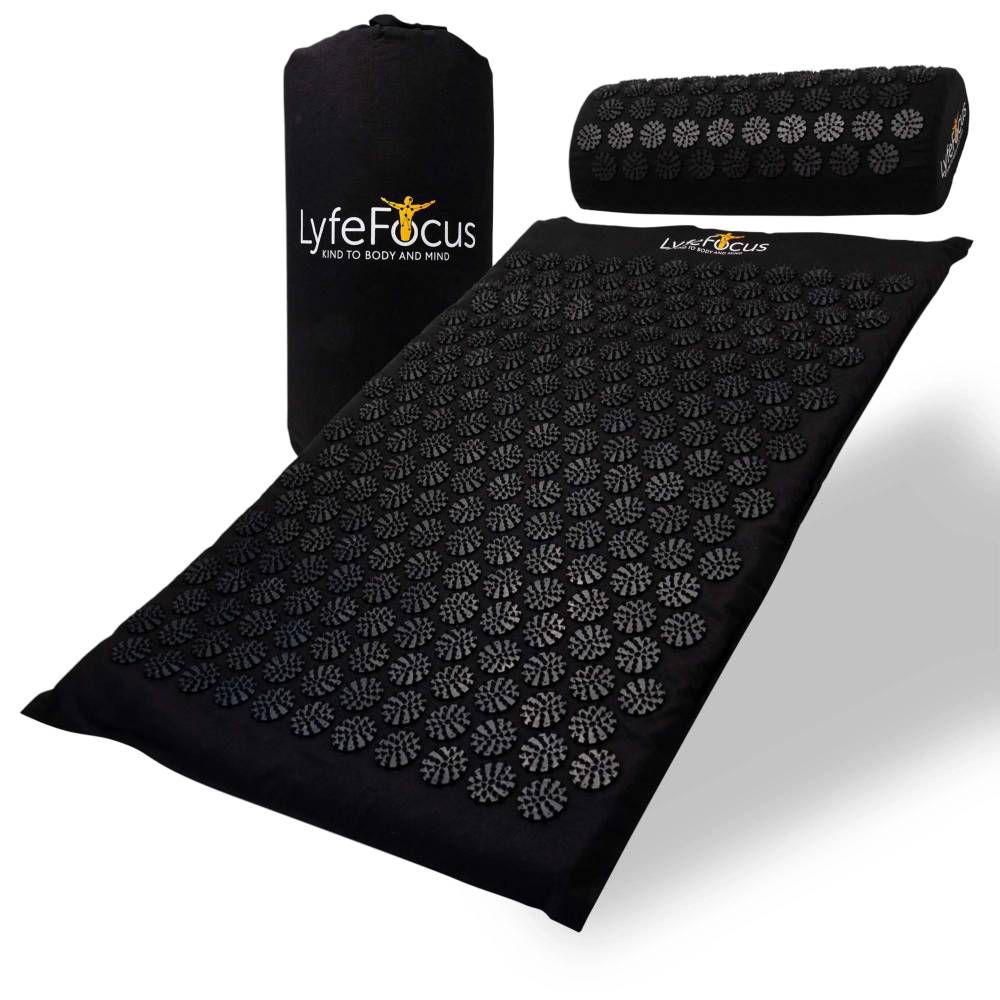
Acupressure Mat & Pillow (Black)
Relax your body and calm your mind with gentle acupressure relief.
Shop Now →