What To Do Between Physio Appointments for Better Posture and Less Tension
Seeing a physio is useful. Doing nothing between appointments is not. That sounds blunt because it needs to be. A lot of people expect progress to come from the session itself while their daily routine stays almost exactly the same. Then they wonder why the pain settles for a bit and comes roaring back once work gets busy again. To truly support between physio appointments, you need to be proactive.
The period between appointments is where the real change usually happens. That is where you either reinforce what the physio is trying to build or quietly sabotage it with the same old habits. Effective strategies can help ensure you provide the necessary support between physio appointments.
Start with the plan your physio actually gave you
Effective Strategies to Support Between Physio Appointments

This should be obvious, but many people start blending their physio advice with ten random videos, a few social media tips, and some outdated stretches they found three years ago. That usually creates a messy, inconsistent routine. Keep the core plan simple and follow the structure you were given.
If you are unsure why an exercise matters, ask. People stick to plans better when they understand the purpose.
Do less, but do it consistently
Consistency beats intensity between physio appointments. A short routine done most days is far more useful than one heroic session at the weekend. If your physio has given you mobility, strength, or control exercises, attach them to something stable in your routine, such as after brushing your teeth, before lunch, or when you finish work.
Fix the obvious desk problems
Do not spend money on treatment while continuing to work in a setup that wrecks your posture every weekday. Raise the screen, bring the keyboard and mouse closer, support the lower back if needed, and set reminders to move. These are not glamorous changes, but they remove a lot of the background aggravation.
Break up the static load
This is huge for desk workers. Your body may be able to tolerate the desk setup better if you stop asking it to tolerate the same position for so long. Stand up regularly. Walk during calls. Change tasks when possible. The physio can improve capacity, but you still need to manage the load.
Use recovery tools intelligently
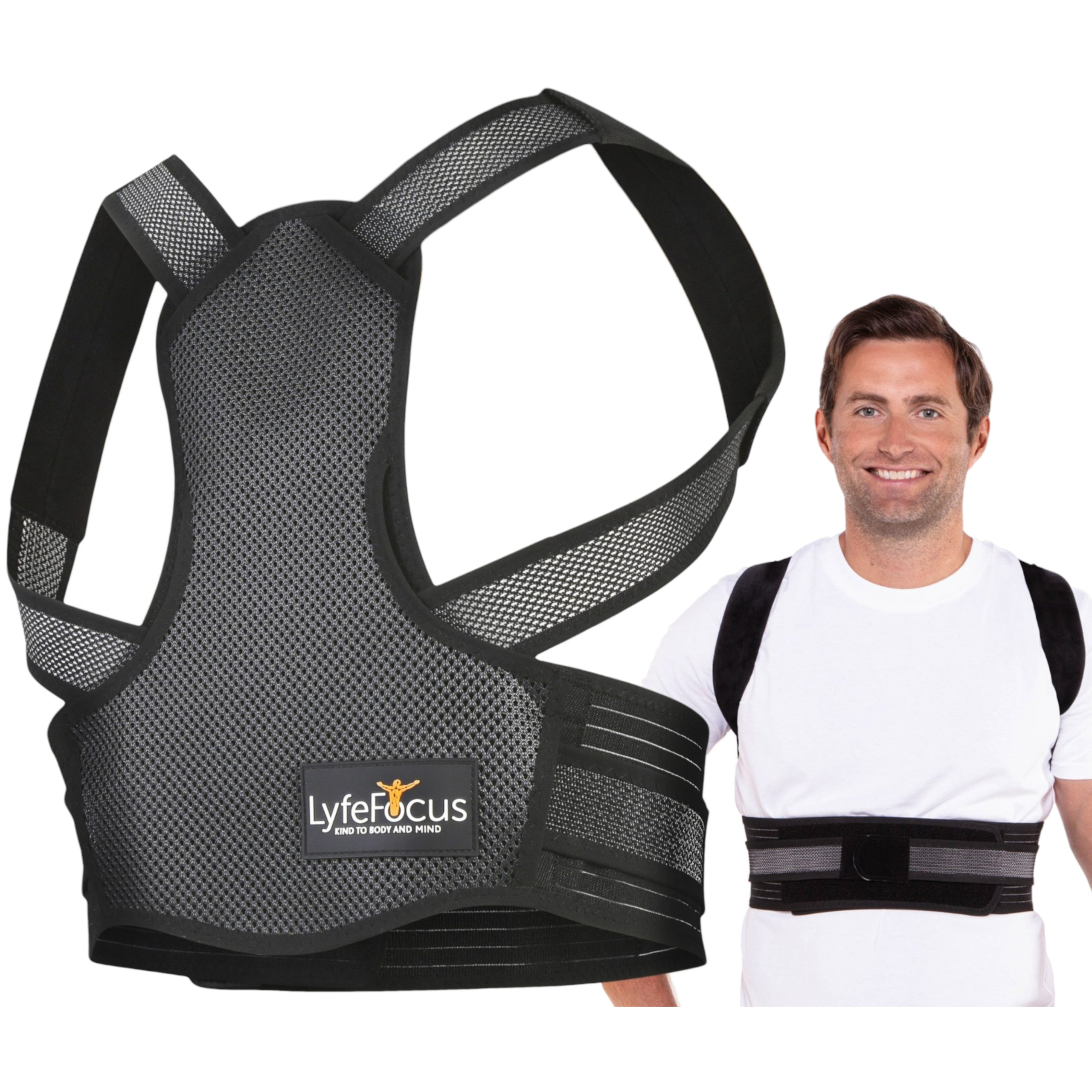
Supportive products can make a real difference between physio appointments when they are chosen well and used consistently. A foam roller, posture support product, or passive recovery tool can help you stay looser, more aware, and more comfortable, which makes it easier to keep up with the exercises and movement habits your physio wants you to build. In practice, the best results usually come when recovery tools and physio work together as part of the same long-term routine.
Used well, support tools do not compete with the plan. They reinforce it, reduce friction, and make it easier to stay consistent on the days when work, fatigue, or tension would otherwise knock you off track.
Watch your stress load
If your posture collapses every time your workload spikes, or your neck and shoulders seize up whenever life gets hectic, stress is part of the picture whether you like it or not. Poor sleep, high pressure, and mental overload tend to show up physically. That does not mean your pain is all stress. It means stress affects how much tension the body carries and how well it recovers.
Track what is changing
You do not need a spreadsheet obsession, but some basic notes help. What time of day is the pain worse? Which tasks flare it up? Which exercises seem to help? Is your posture better in the morning and worse in the afternoon? These patterns make follow-up physio appointments much more useful.
What not to do
Do not stop moving because you are afraid of the pain. Do not constantly switch routines. Do not assume one pain-free day means the issue is gone. And do not use posture support or recovery tools as a replacement for exercise, movement, and sensible workload management.
A simple between-appointments checklist
- Am I doing the key exercises most days?
- Have I made the obvious desk changes?
- Am I moving often enough during work?
- Am I sleeping and recovering well enough to support progress?
- Am I using support tools to help the plan, not replace it?
The space between physio appointments is not dead time. It is where progress either compounds or falls apart. Keep the plan simple, keep it consistent, and make your work routine support the treatment instead of fighting against it. That is how posture improves and tension starts to ease for real.

Posture Corrector S1 (Black)
Take the first step toward better posture and lasting comfort.
Shop Now →