Lower Back Braces: Stop the Pain, Get Through Your Day
Lower back pain is one of the most common reasons people across Lancashire miss time at work, cut short physical activity, or simply spend their evenings unable to get comfortable on the sofa. Whether you’re a warehouse operative in Wigan, a nurse doing long shifts in Blackburn, or a remote worker hunched over a laptop in Lancaster, a well-fitted lower back brace can be a genuine game-changer — reducing strain, restoring confidence in movement, and helping you get through the day without constantly bracing yourself (in the involuntary sense). This guide covers everything you need to know: how lower back braces work, how to choose the right one, and what to look for if you need something discreet enough to wear all day.
What Are Lower Back Braces and How Do They Work?
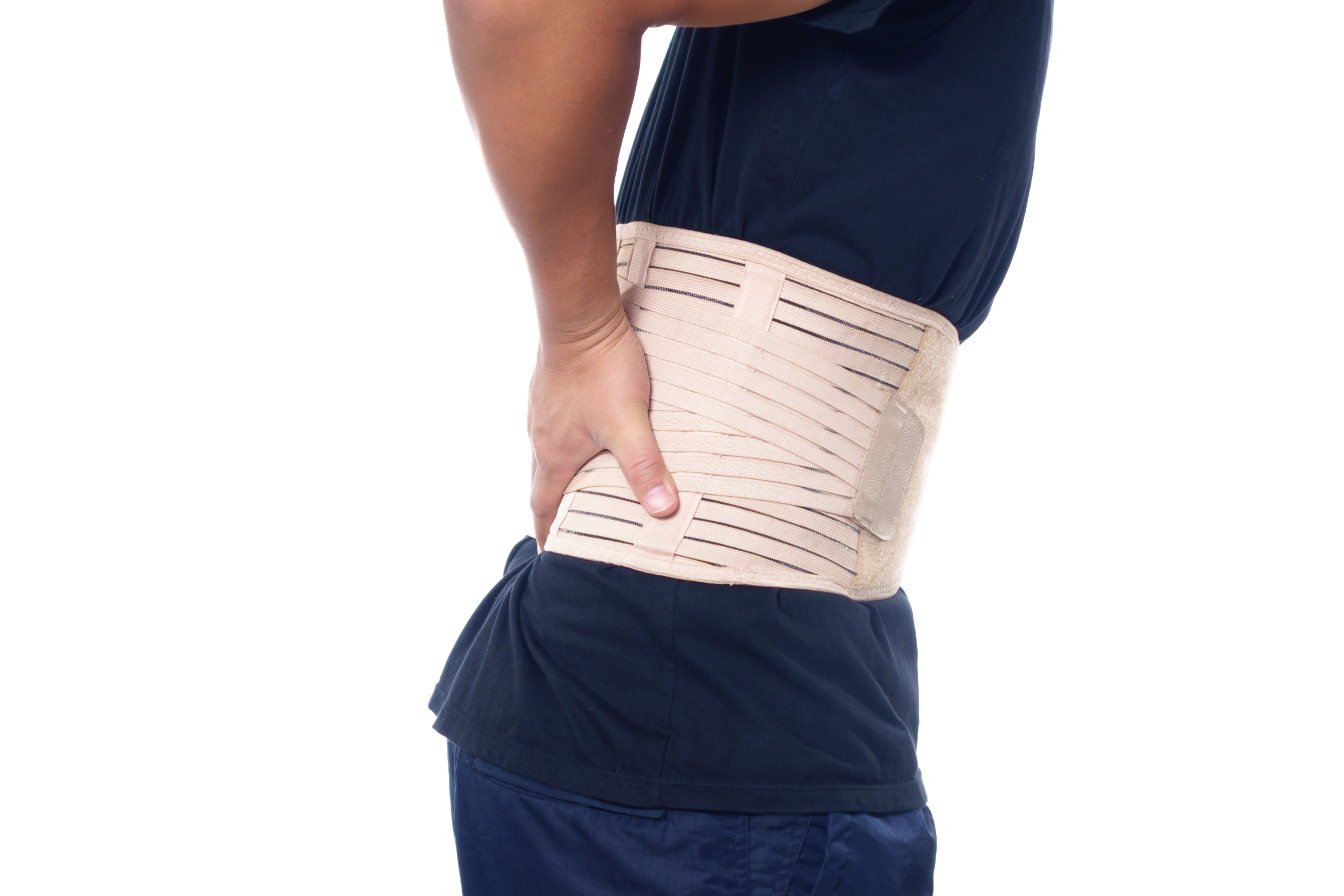
Lower back braces — also referred to as lumbar support belts — are supportive garments worn around the waist and lower back to stabilise the lumbar spine, reduce excessive movement, and relieve pressure on strained muscles, discs, and ligaments. They work through a combination of compression and postural cueing: the compression reduces muscle fatigue and inflammation, while the physical presence of the brace helps the wearer become more conscious of their spinal position throughout the day.
Used appropriately, lower back braces don’t weaken the core — a common misconception. When used during periods of elevated demand (a long shift, a physically demanding task, or a recovery phase following a flare-up), they reduce the load on vulnerable tissues while allowing the surrounding musculature to rest and recover. The key is to use them as a support tool, not as a permanent substitute for movement and strength.
Who Benefits Most From Lower Back Braces?
Lower back braces are particularly well-suited to:
Manual and Trades Workers Those who lift, carry, twist, or work in awkward positions regularly — particularly prevalent across Lancashire’s manufacturing, logistics, and construction sectors — place enormous cumulative stress on the lumbar spine. A brace worn during peak-demand periods can meaningfully reduce injury risk and fatigue.
Office and Desk-Based Workers Prolonged sitting flattens the lumbar curve and loads the intervertebral discs unevenly. A lower back brace provides structural reminder and support to maintain a healthier seated posture, reducing the ache that sets in after hours at a workstation.
People Recovering From Injury After a lumbar strain, disc irritation, or acute back episode, a brace can provide the confidence and protection needed to stay mobile during recovery — without the fear of re-injury that often causes people to move less, which in turn slows healing.
Active Individuals Returning to Sport Runners, gym-goers, and weekend athletes in Lancashire who’ve experienced back issues often use lumbar braces as a transitional support tool while building back their core strength and movement confidence.
According to NHS guidance on back pain, staying active and using appropriate support tools during recovery is strongly recommended over prolonged bed rest — making a quality lower back brace a practical part of a sensible back care plan.
How to Find the Best Back Brace for Lower Back Pain
With dozens of options on the market, identifying the best back brace for lower back pain comes down to a few key criteria:
Level of Support and Rigidity
Braces range from soft compression belts to semi-rigid designs with internal stays or panels. For most everyday pain management and postural support, a well-fitted compression belt with adjustable fastening provides sufficient support without restricting movement. Rigid braces are generally reserved for post-surgical or acute injury scenarios under clinical guidance.
Fit and Adjustability
A brace that shifts, rides up, or digs in is one you’ll stop wearing within a day. Look for designs with wide, adjustable closures that allow you to fine-tune compression throughout the day — particularly important as your body changes position from sitting to standing to moving.
Breathability and Material
Particularly relevant during longer wear periods or physical activity, breathable materials prevent the heat and moisture build-up that makes extended brace wear uncomfortable and unsustainable.
The Best Lower Back Brace for Under Clothes: What to Look For
One of the most common search queries in this space is finding the best lower back brace for under clothes — and for good reason. Many people need lumbar support throughout their working day, but can’t or don’t want to wear a visible brace over their clothing. The solution is a low-profile design that sits flat against the body, uses thin but firm materials, and doesn’t create unsightly bulk under shirts, tunics, or workwear.
Key features to prioritise for discreet, under-clothing wear:
- Low-profile closure system — flat hook-and-loop or pull-tab closures that don’t create pressure bumps through fabric
- Slim compression panel — firm enough to provide meaningful support without adding visible volume
- Neutral tone — skin-toned or white options disappear under light-coloured clothing
- Non-slip inner surface — prevents the brace from riding up during movement, avoiding the need for constant readjustment
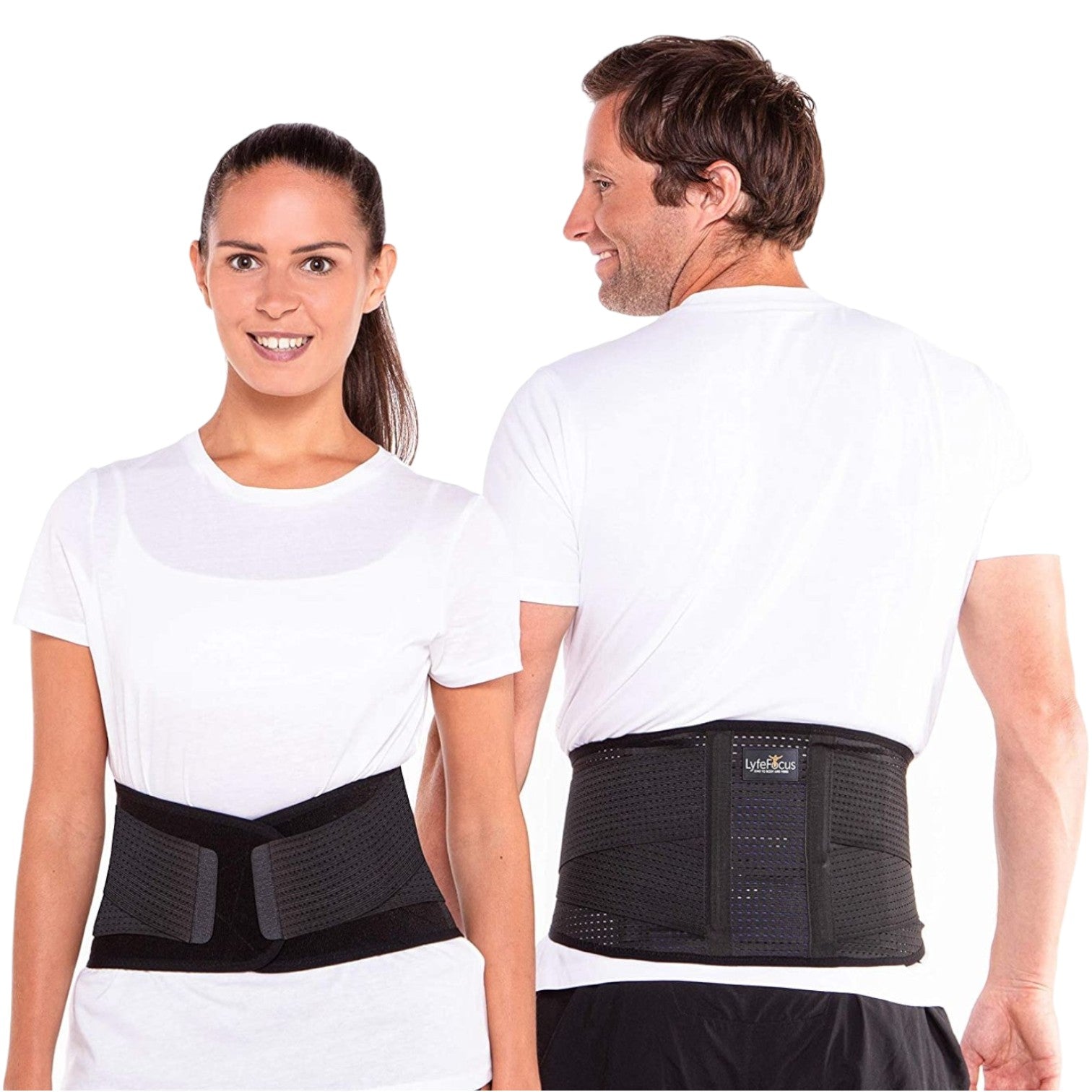
The LyfeFocus Lower Back Support Belt is designed with exactly this kind of all-day wearability in mind — supportive enough to make a real difference, slim enough to wear under your normal clothing without discomfort or visibility. You can explore the full LyfeFocus lower back pain relief collection to compare the options available.
For detailed fitting guidance, visit the LyfeFocus lower back support instructions page to get the most from your brace from day one.
FAQs About Lower Back Braces in Lancashire
How long should I wear a lower back brace each day?
For most people using a brace for general lumbar support or pain management, wearing it during periods of highest demand — such as a long working shift, physical activity, or prolonged sitting — and removing it during rest is the most effective approach. Wearing a brace 24 hours a day is not generally recommended, as some movement without support helps maintain muscle engagement and core function.
Can a lower back brace help with sciatica?
A lumbar support brace can help reduce the postural compression that aggravates sciatic nerve irritation, and many people with sciatica find significant relief from wearing one during flare-ups. However, sciatica has multiple underlying causes, and a brace addresses symptoms rather than the root cause. If you’re experiencing persistent sciatic pain, a GP or physiotherapist assessment is the appropriate next step.
Is a lower back brace suitable for warehouse and manual work in Lancashire?
Yes — lower back braces are widely used in manual handling, warehousing, and logistics roles precisely because they reduce the cumulative spinal load associated with repetitive lifting and bending. Many occupational health teams across Lancashire’s logistics sector actively encourage their use during high-demand periods. Ensure the brace fits correctly under your workwear and doesn’t restrict the range of motion needed to perform your role safely.
Do I need a prescription to buy a lower back brace in the UK?
No — lower back braces are available to purchase directly without a prescription in the UK. CE-marked medical-grade options, such as those in the LyfeFocus range, are designed for safe, effective self-directed use. If you have a complex medical history or are recovering from surgery, it’s worth discussing your choice of brace with a healthcare professional before purchase.
Find the Right Lower Back Brace for You
Lower back braces are one of the most practical, accessible, and effective tools available for managing lumbar pain and preventing it from taking over your working life — whether you’re on your feet across Lancashire or sitting at a desk for eight hours. The right brace, worn at the right times, can meaningfully change how you feel by the end of the day.
Ready to find the best lower back brace for your needs? Get in touch with our team in Lancashire today and we’ll help you identify the right support solution for your lifestyle and pain pattern.

Lower Back Support Belt
Stay active and protect your lower back with stabilising support.
Shop Now →