How Physiotherapists Help Desk Workers With Posture-Related Pain
A lot of desk workers wait far too long before seeing a physiotherapist. They tell themselves the pain is just part of office life, that everyone gets a stiff neck or sore back, or that they should be able to fix it with a few stretches from the internet. Sometimes those stretches help a bit. Often they do not. Not because stretching is useless, but because posture-related pain is usually more complicated than one tight muscle and one quick fix.
A good physiotherapist does not just point at your posture and tell you to sit up straighter. They look at how you move, what your workday actually involves, which habits keep loading the same tissues, and what practical changes are most likely to reduce the strain.
What posture-related pain really means
Posture-related pain is not about failing to hold a perfect upright position all day. It is usually about repeated stress from the way the body is being loaded over time. For desk workers, that can mean hours spent with the head drifting forwards, shoulders rounding, the lower back collapsing into the chair, or the body barely moving between meetings.
Physios know that pain rarely comes from posture alone. Workload, movement history, stress, sleep, fitness levels, and recovery habits all matter. That is why two people can use the same desk setup and have very different outcomes.
What a physio is likely to assess
In a typical appointment, a physiotherapist will want to know where the pain is, what makes it better or worse, how long it has been going on, and what your work routine looks like. They may watch how you sit, stand, walk, bend, reach, or turn your neck and back. They will often look for patterns rather than one magic cause.
For example, they may notice that your neck pain is linked to poor upper back movement, or that your lower back discomfort is worse because you rarely change position during the day. They may also spot that stress is increasing muscle guarding, which makes posture harder to maintain comfortably.
How physiotherapists actually help
The best physio input is practical has 5 tips for Posture-Related Pain. That can include:
Education
Understanding what is likely driving the pain often reduces fear and makes people more consistent with posture-related pain treatment.
Exercise
This is not just generic stretching. It is usually a targeted plan based on what your body needs more of, whether that is mobility, strength, control, or simply more movement variety.
Workstation advice
A physio may suggest changes to screen height, chair setup, keyboard position, or break frequency so the work environment stops feeding the posture-related pain problem.
Load management
Sometimes the answer is not doing more, but changing how much strain you are asking the body to tolerate in one go.
Confidence
Posture-related pain can make people cautious, stiff, and afraid to move. A good physio helps rebuild trust in movement rather than making you feel fragile.
Why desk workers often relapse
Most people do reasonably well for a few days after an appointment, then slide back into the same routine that created the problem. They stop doing the exercises, ignore movement breaks, and assume progress should hold up on willpower alone. It usually does not.
This is where the gap between appointments matters. The physio can guide you, but the day-to-day environment still needs to support the work.
What helps between appointments
Keep the plan simple enough that you will actually do it. A five-minute routine you repeat consistently is better than a 25-minute plan you resent. Build movement breaks into your calendar. Fix the obvious desk issues first. Pay attention to stress, because tension and posture are closely linked. And use supportive tools sensibly if they help reinforce better habits.
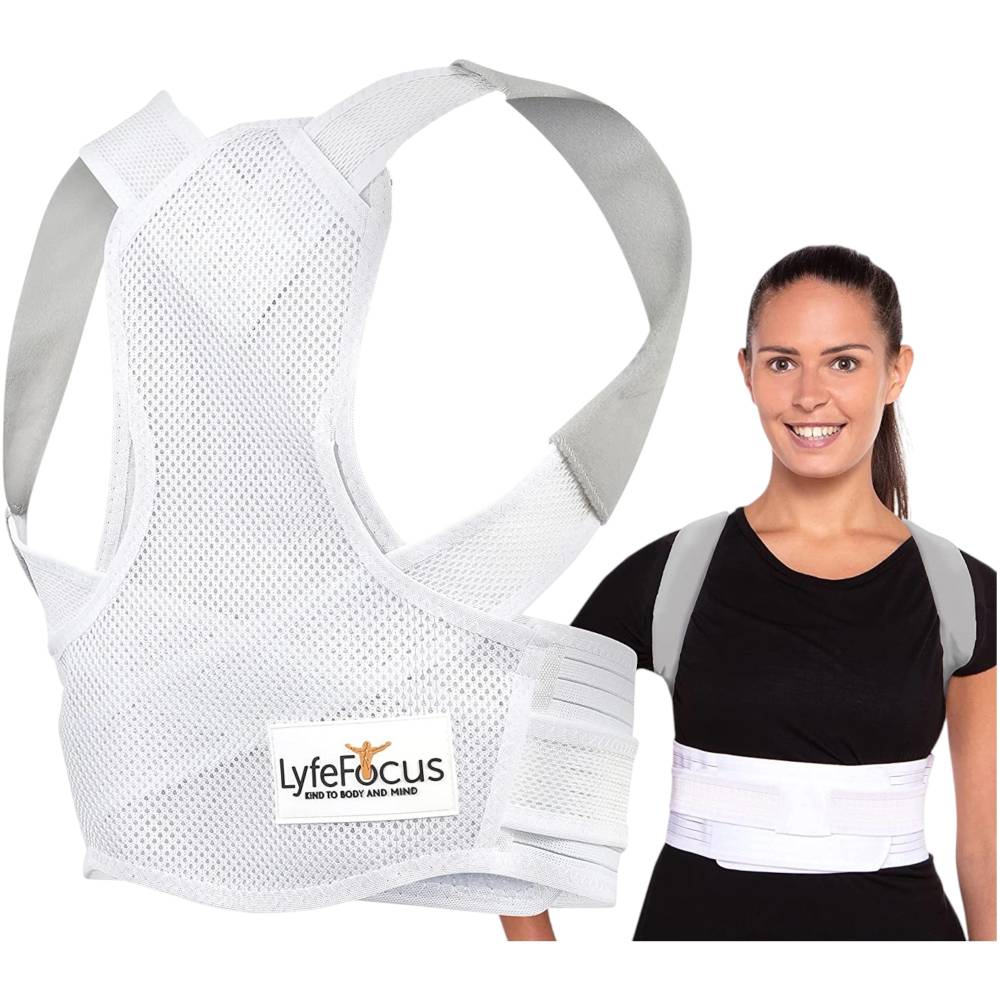
For example, some people use a posture support product as a reminder not to collapse into the same tired shape every afternoon. Others use recovery tools in the evening to help ease the build-up of muscle tension after a full day at the desk. That can work well, as long as the product supports the physio plan rather than replacing it.
The biggest mistake to avoid
Do not treat posture support as a substitute for movement and rehab. If a product makes you more aware of your posture or gives you a bit of help while building new habits, great. If it becomes the only thing you rely on, the result is usually disappointing.
When to see a physio sooner rather than later
If you have recurring desk-related pain, pain that is affecting sleep or work, or symptoms that keep coming back every time your workload increases, it is worth getting assessed. The same applies if you are guessing your way through recovery and not getting anywhere.
Physiotherapists help desk workers by doing what random internet advice cannot. They look at the full pattern, not just the sore spot. They help you understand the problem, change the way the body is being loaded, and build a plan you can actually live with. That is far more useful than simply being told to sit up straight and hope for the best.

Posture Corrector S1 (White)
Take the first step toward better posture and lasting comfort.
Shop Now →