
Signs of Pulled Back Muscle: 5 Proven Steps to Quick Relief
Have you ever bent down to pick up something light, only to feel a sudden, sharp twinge that leaves you completely frozen? You are not alone. A lumbar strain—the medical term for a pulled back muscle—happens when muscle fibers stretch too far or micro-tear, triggering acute, protective muscle guarding.
When a pulled back muscle strikes, your body’s immediate inflammatory response can make simple actions like standing up or turning over in bed feel almost impossible. Understanding the distinct signs of pulled back muscle tissue is the fastest way to rule out more severe issues (like a herniated disc) and start an effective, natural recovery plan.
What Are the Immediate Signs of Pulled Back Muscle?
When you strain the supportive tissue in your spine, the body’s warning system goes off immediately. Recognizing these primary signs of pulled back muscle damage helps you understand exactly what is happening beneath the skin.
- Sudden Sharp Pain or Intense Aching: The discomfort usually starts instantly during an activity—like lifting, twisting, or a sudden awkward movement.
- Localized Tenderness to the Touch: If you press on the specific area of your lower back, it will feel distinctly sore or tender compared to the surrounding tissue.
- Severe Muscle Spasms: Your nervous system will automatically lock down the region. These intense, involuntary contractions are your body’s way of creating a natural splint to protect the area from further movement.
- Restricted Range of Motion: You will likely find it difficult to bend forward, lean backward, or twist comfortably at the waist.
- Relief When Resting: Unlike nerve injuries, a pulled back muscle typically feels significantly better when you lie flat or find a neutral, supported resting posture.
Pulled Muscle vs. Disc Injury: Spotting the Difference
It is incredibly easy to mistake a painful pulled back muscle for a serious structural problem like a slipped or herniated spinal disc. However, treating a muscular strain requires a completely different approach than managing joint or nerve damage. Paying attention to how the pain moves is key to distinguishing between them.
| Characteristic | Pulled Back Muscle | Herniated Spinal Disc |
| Pain Location | Stays localized in the lower back or upper gluteal region. | Radiates down through the buttocks, hamstring, and calf. |
| Sensation Type | Deep ache, intense throbbing, or sharp muscular tightness. | Electric shocks, burning sensations, or localized numbness. |
| Physical Trigger | Aggravated by moving, twisting, bending, or lifting things. | Worsened by sitting for long periods, coughing, or sneezing. |
| Nerve Symptoms | No tingling, numbness, or weakness in your feet or legs. | Frequently causes a pins-and-needles feeling or weakness. |
The Typical Recovery Timeline for a Lumbar Strain
How long will a pulled back muscle keep you on the sidelines? Fortunately, because muscle tissue has an exceptionally rich supply of blood, it heals significantly faster than ligaments or spinal discs. Most people experience a predictable pattern of improvement as the tissue repairs itself.
1. The Acute Phase: Days 1 to 3
Inflammation peaks during this initial window. Pain, stiffness, and involuntary muscle spasms are at their highest intensity as the body protects the injured site.
2. The Subacute Phase: Days 4 to 14
The acute swelling begins to clear. Mobility gradually returns, allowing you to walk longer distances and perform gentle, light daily activities without sharp twinges.
3. The Remodeling Phase: Weeks 2 to 6
New collagen fibers lay down to completely repair the torn muscle tissue. The remaining dull stiffness clears out as full strength and flexibility return.
5 Proven Steps to Relieve a Pulled Back Muscle Safely
If you are experiencing the clear signs of pulled back muscle strain, forcing your way through the pain will only prolong your recovery. Instead, follow this structured, step-by-step home care method to calm the nervous system and accelerate natural tissue repair.
1.Control the Initial Swelling: First 24 to 48 Hours.
Apply a cold pack wrapped in a thin towel to the tender area for 15 to 20 minutes every few hours. Avoid applying direct heat during this early stage, as heat can increase local inflammation and swelling.
2.Transition to Targeted Warmth: After 48 Hours.
Once the initial sharp pain subsides, switch to heat therapy. Warmth increases local circulation, relaxes stiff tissue, and helps quiet intense muscle spasms.
3.Maintain Gentle, Low-Impact Movement:Days 2 and Beyond.
Avoid total, prolonged bed rest, which can cause the healing muscle fibers to shorten and stiffen. Instead, take short, easy walks on flat surfaces to keep blood flowing through the lower back.
4.Decompress Your Lower Spine: Daily Practice.
Relieve passive pressure on your lower back by using a dedicated wellness tool designed to create space between your vertebrae and relax tight muscle layers.
5.Gradually Restore Your Flexibility: Once Pain Subsides.
Slowly reintroduce gentle movements, such as bringing your knees toward your chest while lying down. Stop immediately if you feel any sharp sensations.
Common Recovery Mistakes to Avoid
When recovering from a pulled back muscle, what you choose not to do matters just as much as your treatment routine. Avoid these frequent missteps to keep your recovery moving forward smoothly:
Do not stay completely immobile: Rest for the first day is fine, but staying in bed for multiple days weakens core stability and lengthens your overall recovery time.
Avoid heavy lifting and twisting: Keep objects close to your body and avoid rotating your torso until the primary signs of pulled back muscle strain have vanished.
Don’t ignore persistent symptoms: Muscular strains should show steady improvement within one to two weeks. If your pain stays severe or worsens, it is time to consult a healthcare professional.
Accelerate Your Home Recovery Routine
Managing muscle stiffness requires consistent, daily care. Utilizing targeted tools at home can provide deeper relaxation for tight muscle groups without the need for constant appointments.
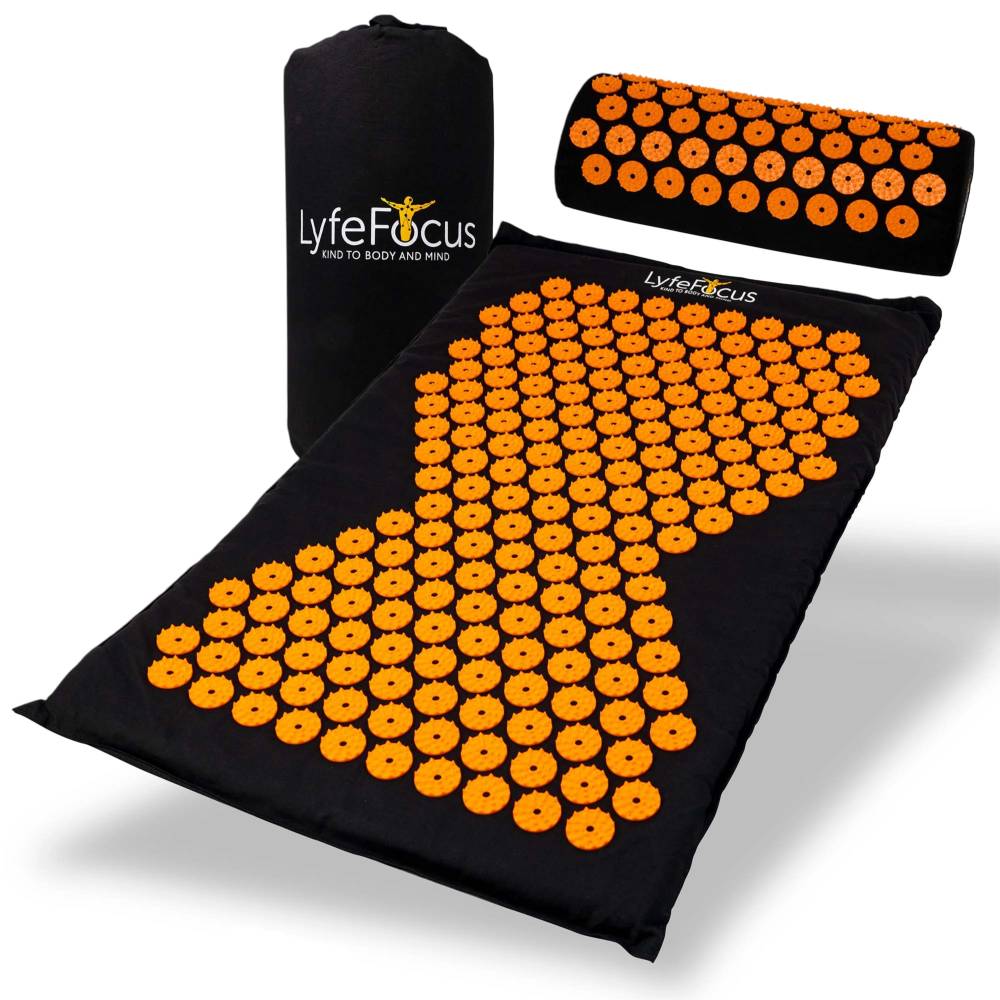
To help ease the deep, lingering muscle tension associated with a lower back strain, incorporating a regular session on an acupressure mat positions and benefits guide can stimulate healthy local circulation and encourage your nervous system to fully release protective guarding.
For targeted, hands-free relief that combines strategic lumbar support with muscle relaxation, consider using a specialized home support option:
When to Seek Immediate Medical Attention
While the vast majority of back strains resolve completely with simple home care, certain warning signs require professional medical evaluation. Seek care right away if you experience any of the following:
- Difficulty controlling your bladder or bowel function.
- Progressive weakness, numbness, or severe tingling in one or both legs.
- Unexplained fever, chills, or sudden weight loss alongside the back pain.
- Severe abdominal pulsing sensations or intense pain that keeps you awake at night.
If your symptoms are limited to standard muscular soreness and limited movement, prioritizing circulation, resting thoughtfully, and utilizing smart support tools will have you moving comfortably again very soon.
Ready to Relieve Your Back Tension?
If you are looking for long-term support to protect your spine, reduce daily tension, and prevent future strains, explore our full collection of professional wellness and alignment tools.
Please browse our complete range of recovery options at the LyfeFocus Shop to find the perfect addition to your home recovery routine. For personalized guidance or product questions, feel free to contact us directly at any time.
Relax your body and calm your mind with gentle acupressure relief.
Acupressure Mat & Pillow (Orange)
Related posts:
 Lower Back Pain That Shoots Down Your Legs: What It Usually Means And What To Do Today
 Back Stretcher For Pain Relief: What It’s For, How To Use It, And Common Mistakes
 Best Sleeping Position for Lower Back Pain: Practical Guidance for Better Comfort and Recovery
 How to Relieve Severe Lower Back Pain: Effective Back Pain Relief Strategies
