Leg Roller Massagers: Benefits, Types and How to Use Them
If your legs feel heavy, tight, or sore by the end of the day, a leg roller massager could be exactly what you need. Millions of people in the UK deal with muscle tension, sluggish circulation, and post-exercise soreness that disrupts sleep and limits movement. Leg roller massagers offer a simple, affordable way to address all of this at home, without booking appointments or paying for repeat treatment sessions. This guide covers how leg roller massagers work, the different types available, and how to get the most from them.
What Are Leg Roller Massagers?
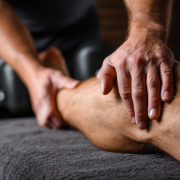
Leg roller massagers are handheld or floor-based tools designed to apply rolling pressure along the muscles of the legs. They range from basic foam cylinders to textured trigger point rollers and vibrating devices. The core principle behind every leg roller massager is the same: controlled, sustained pressure is applied along the muscle to release tissue tension and stimulate blood flow.
This technique is a form of self-myofascial release (SMR), targeting the fascia, the connective tissue layer surrounding your muscles. When the fascia tightens or develops knots, it restricts movement and causes discomfort. A leg roller massager helps restore normal tissue elasticity and range of motion without professional intervention.
Key Benefits of Leg Roller Massagers
Using a leg roller massager consistently delivers measurable benefits, whether you train daily or spend long hours sitting or standing at work.
- Reduced muscle soreness after exercise or physical activity
- Improved circulation to reduce heaviness and support faster recovery
- Greater flexibility and joint range of motion
- Trigger point relief by targeting muscle knots that cause localised pain
- Less stiffness from prolonged sitting, ideal for desk workers and drivers
- Faster DOMS recovery (delayed onset muscle soreness) after intense training sessions
According to the NHS guidance on post-exercise care, regular muscle maintenance including stretching and massage-based techniques is key to staying active and avoiding injury. A leg roller massager fits naturally into this kind of routine.
Types of Leg Roller Massager
The right leg roller massager depends on your experience level, pain tolerance, and goals. Here is a breakdown of the main options.
Foam roller leg massagers
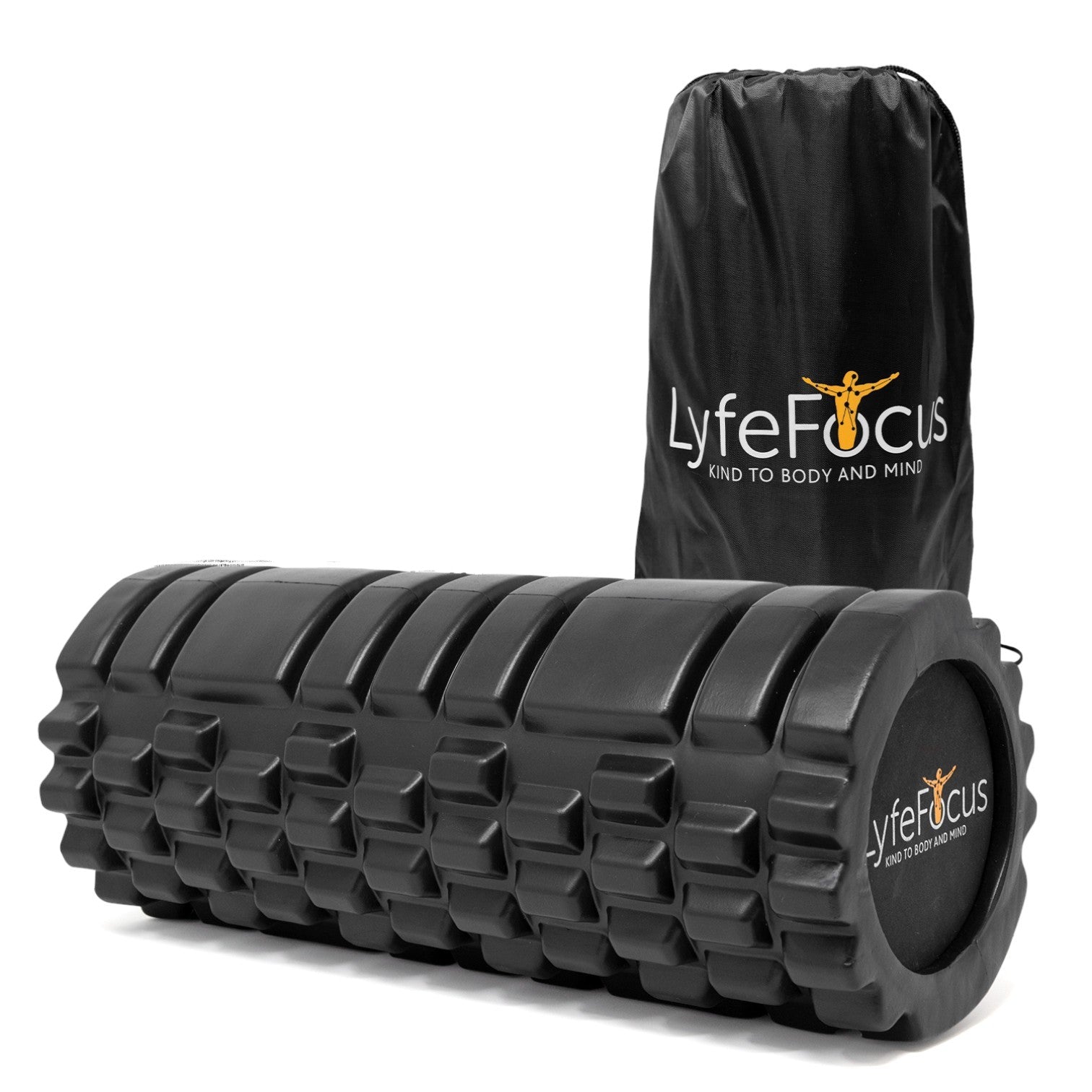
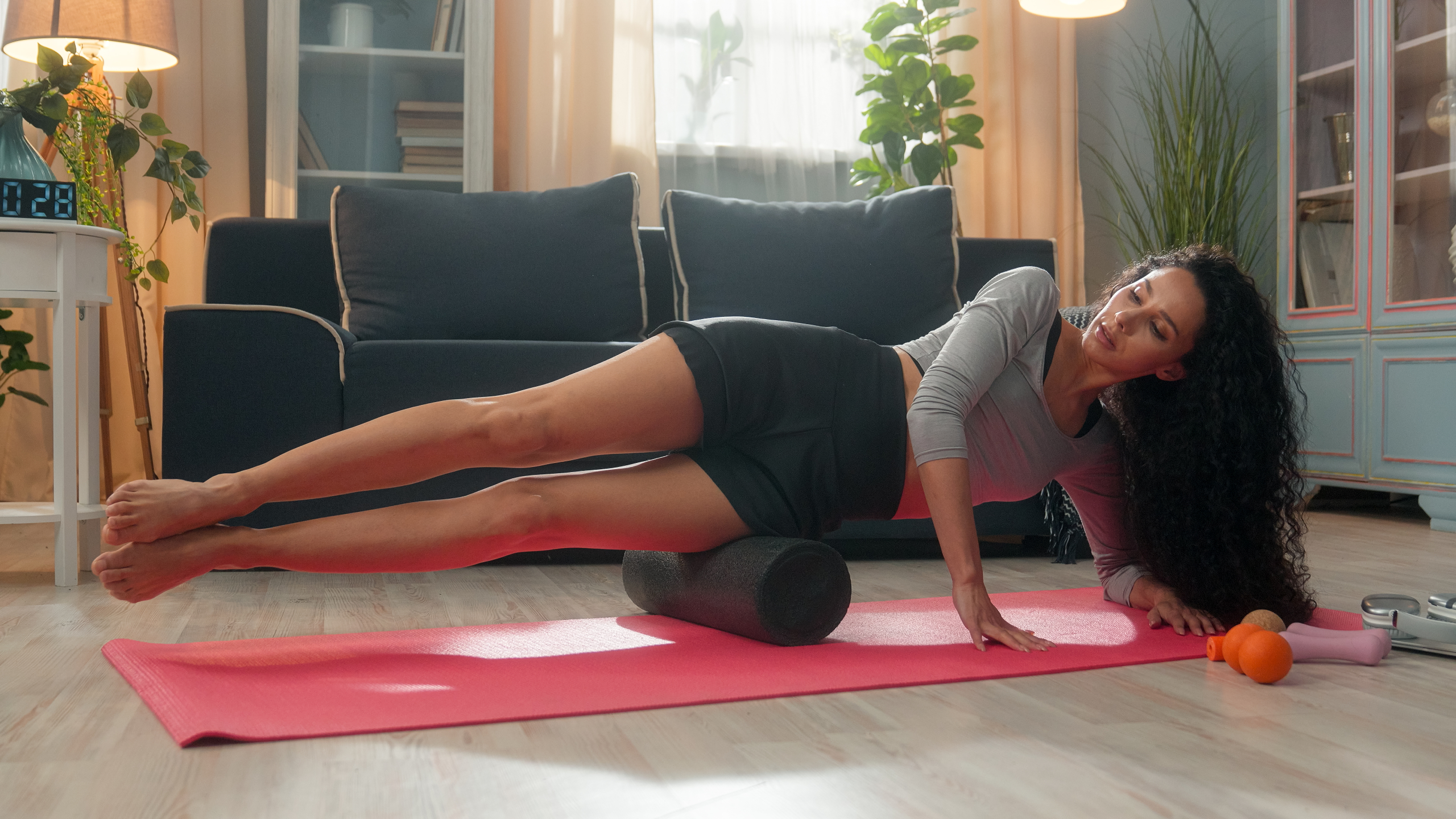
Foam rollers are the most versatile leg roller massager on the market. They work across large muscle groups including the quads, hamstrings, calves, and IT band. A textured or trigger-point foam roller mimics different professional massage techniques, from broad palm pressure using the wider zones to precise thumb-like pressure from the raised nodules. This makes foam roller leg massagers highly effective for deep tissue relief without professional help.
Handheld roller stick massagers
Roller sticks are long tools with independently spinning rollers that you control manually with both hands. They give precise control over pressure, making them a popular leg roller massager choice for runners targeting the calves and shins, and for people in early injury recovery.
Vibrating leg roller massagers
Vibrating leg roller massagers add a mechanical vibration element to standard rolling. This deeper stimulation can enhance circulation and is popular among athletes, though the intensity can feel strong for beginners.
Massage balls
Massage balls act as a complementary roller massager for legs, targeting smaller and harder-to-reach areas such as the calves, glutes, and the arch of the foot. They are ideal for precise trigger point work where a full-length roller cannot isolate the area.
How to Use a Leg Roller Massager Correctly
Getting technique right makes the difference between effective relief and wasted time. Follow these steps when using any leg roller massager.
- Begin at the lower end of the muscle and roll slowly toward the heart to support circulation and lymphatic drainage.
- Keep a slow, controlled pace when using your leg roller massager: roughly 3 to 4 seconds per pass. Fast rolling reduces effectiveness.
- When you find a tight spot or knot, pause your leg roller massager directly on it and hold steady pressure for 20 to 30 seconds while breathing slowly.
- Avoid rolling directly over joints, bones, or areas of acute injury or swelling.
- Spend 60 to 90 seconds on each muscle group for the best recovery response.
For leg muscles, prioritise the quads, hamstrings, calves, and IT band. The IT band accumulates chronic tension particularly in runners and cyclists, and it responds well to sustained pressure from a firm-density leg roller massager.
When to Use Your Leg Roller Massager
Timing your sessions makes a real difference. Before exercise, light use of a leg roller massager activates the muscle and improves blood flow to prepare the tissue for load. After exercise, rolling helps flush metabolic waste and begin repair, reducing the severity of next-day soreness.
For non-athletes, using a leg roller massager in the evening after long periods of sitting or standing helps decompress the muscles and can improve sleep quality. Aim for at least three to four sessions per week to notice consistent improvement.
Choosing the Right Leg Roller Massager
Density is the most important factor when selecting a leg roller massager. A soft foam roller provides gentle, broad massage suitable for beginners or those with sensitive muscles. A firm, textured roller applies deeper pressure to reach knots and is better suited to people with regular training loads or chronic tightness. A medium-density textured leg roller massager that replicates professional massage contact points is the most practical all-round starting point.
For a complete range of foam rollers and massage balls built for leg recovery, the LyfeFocus collection covers every level from beginner to advanced.
Common Leg Roller Massager Mistakes to Avoid
Even experienced users make errors that limit results from their leg roller massager:
- Rolling too fast: speed reduces tissue contact time and effectiveness
- Rolling over the knee or ankle joint: this can cause irritation or injury
- Skipping the hold: pausing on a trigger point is what releases it, not repeated rolling over it
- Using a leg roller massager that is too soft: a roller that fully compresses under body weight cannot apply adequate deep pressure
- Only using your leg roller massager when already in pain: consistent use between sessions produces better long-term results than reactive use
Start Relieving Leg Tension Today
Leg roller massagers are one of the most practical and cost-effective recovery tools available. Used correctly and consistently, they reduce soreness, restore movement, and help you keep up with the physical demands of daily life, whether that is sport, long work days, or simply staying comfortable on your feet. If you have questions about which product suits your situation, our support team is happy to help, visit our support page.
Ease muscle pain fast with deep-tissue relief you can take anywhere.
Foam Roller (Black)