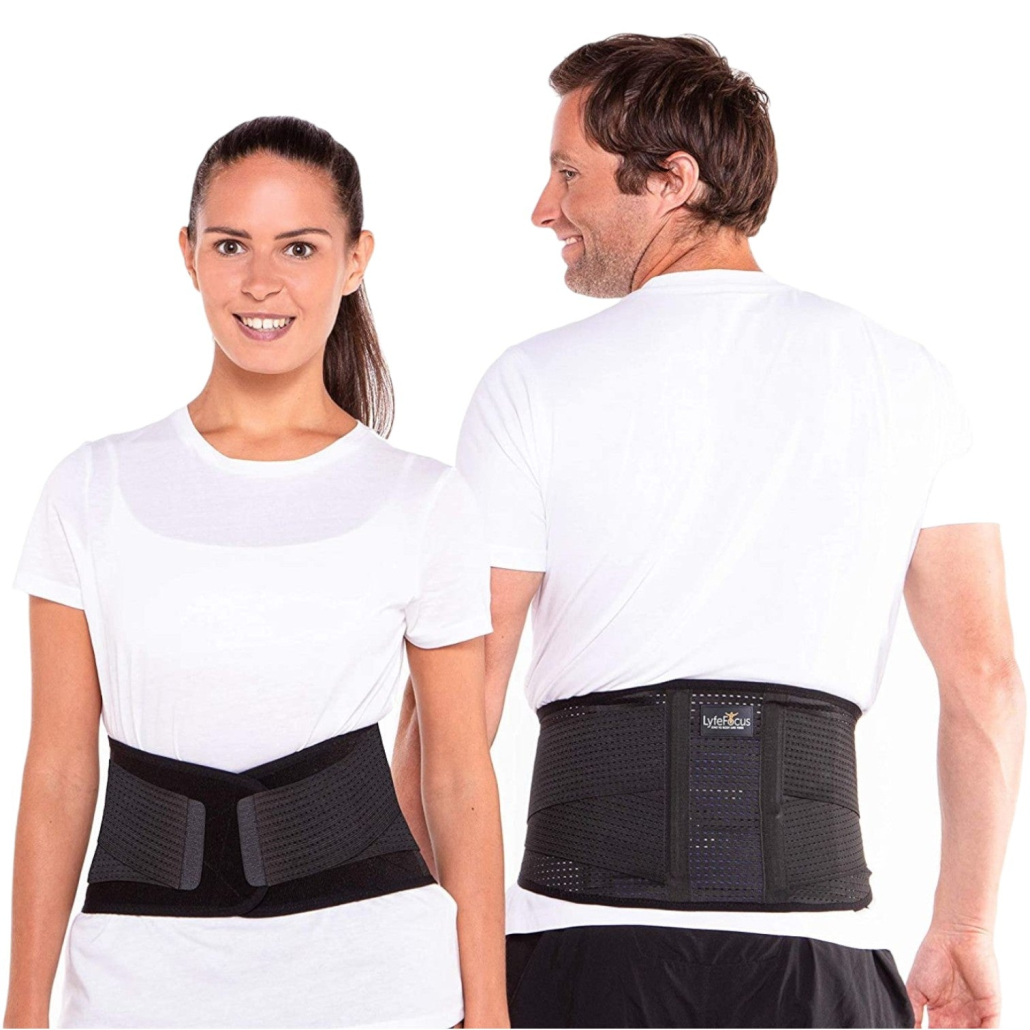
Back Support Belt For Lower Back Pain: When It Helps, When It Hurts, And How To Pick One
Back support for lower back is one of those products that works brilliantly when used correctly and becomes a problem when used as a permanent crutch. LyfeFocus is for people who want support that leads back to independence. A back support for lower back can be useful during flare-ups, long drives, or demanding tasks, but wearing support constantly can turn into dependency.
The goal is simple: use lower back support strategically, then build movement tolerance so you need it less over time.
Why Back Support for Lower Back Helps When the System Is Sensitive
Pain creates fear. Fear creates guarding. Guarding reduces movement quality. This cycle is one of the most common reasons lower back problems become persistent rather than temporary.
Support can interrupt that cycle. It reduces fear and helps you move and movement is often what you need to recover. The best use case for back support is when it helps you walk, stand, or work without triggering a flare-up.
If support makes you avoid movement, it is working against you. Relief is useful only if it leads back to activity. That distinction matters more than any product feature or medical claim.
Why Fit and Function Matter More Than Medical Claims
What matters most is whether the support reduces symptoms during the specific task that provokes you. Comfort and fit are critical. If wearing it makes breathing difficult or encourages constant bracing, you are not supporting the back , you are compressing it.
Support is not supposed to make you rigid. It is supposed to provide a sense of stability so your body stops over-guarding and feels safe enough to move again.
The Right Times to Use Back Support for Lower Back
Not every situation calls for a support belt. Knowing when to use it makes the difference between a helpful tool and a harmful habit. Good times to use back support for lower back include:
- During a flare-up when pain makes basic movement difficult
- Long drives or flights where sustained sitting increases strain
- Manual tasks like lifting, gardening, or housework that provoke symptoms
- High-demand workdays when the back is already sensitive
- The early stages of recovery when confidence is low
Outside of these situations, the aim should be to move freely without relying on external support. That is how the body rebuilds tolerance and strength over time.
How to Use Back Support as a Bridge, Not a Lifestyle
Wear it for the task, then take it off. That one rule makes a significant difference. Pair the support with decompression and gentle movement so you are changing the underlying pattern, not just masking discomfort.
If stiffness is high, a short decompression session using the LyfeFocus Back Stretcher With Heat or read our guide on lower back tension vs lower back pain to better understand what your body is telling you. The combination of targeted support during demanding tasks and active recovery in between is far more effective than wearing support all day.
Use it during provocation, then move more the same day. That is how support becomes a strategy, not a trap.
Building Toward Less Dependency
The long-term goal is always to need the support less, not more. As pain reduces and confidence returns, gradually extend the periods where you manage without the belt. Start with shorter tasks, then longer ones.
Combine this with strengthening work for the hips, glutes, and core, the muscle groups that share the load with the lower back. When those areas are working properly, the lower back is under far less strain and the need for external support naturally reduces.

Lower Back Support Belt
Stay active and protect your lower back with stabilising support.
Shop Now →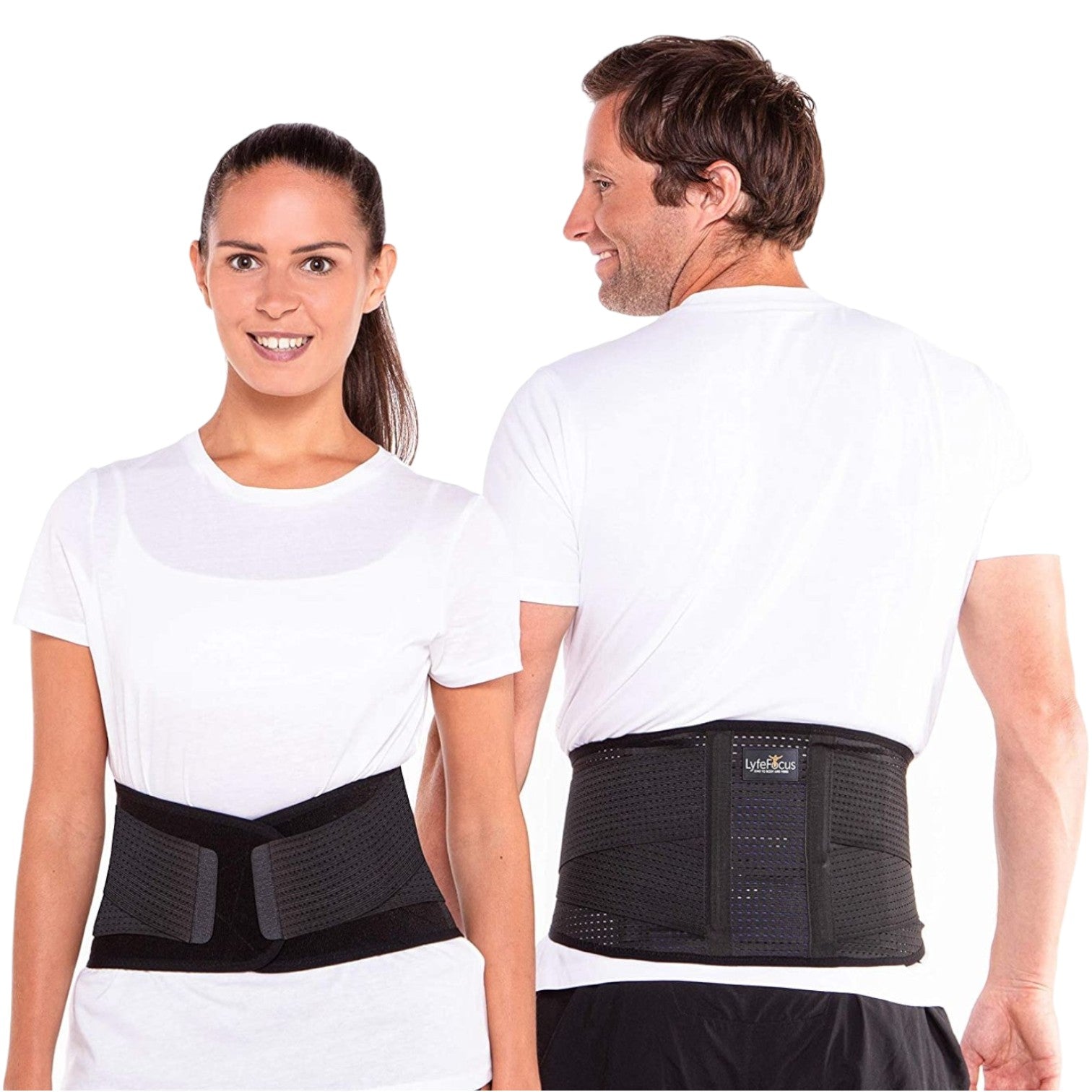
Related posts:
 Lower Back Pain That Shoots Down Your Legs: What It Usually Means And What To Do Today
 Foam Roller for Back Pain: The 10-Minute Routine That Actually Hits The Right Spots
 Back Stretcher For Pain Relief: What It’s For, How To Use It, And Common Mistakes
 Neck Stretcher Guide: How To Use One Safely For Stiffness And Screen-Headaches
