Self Massage Tool: 6 Ways to Ease Tight Muscles at Home
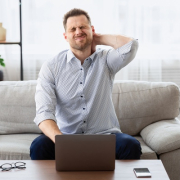
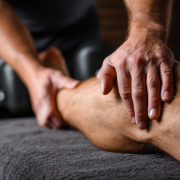
If you sit at a desk all day, train regularly, or carry your stress in your shoulders like most of us do, knots and tight muscles are an unavoidable part of life. A massage therapist is the gold standard, but they are not realistic for most people two or three times a week. The solution most coaches and physios now recommend is a good self massage tool. With one piece of kit and 10 minutes a day, you can hit the same tight spots a therapist would, at home, at your desk, or even before bed. This guide covers how a self massage tool works, the six most useful techniques, and the common mistakes that hold most beginners back.
What Is a Self Massage Tool?
A self massage tool is any handheld device designed to apply pressure to tight or sore muscles without needing a second pair of hands. The most common types include massage balls, foam rollers, peanut balls, and trigger point sticks. Each works on the same basic principle: targeted pressure plus controlled movement breaks down adhesions in the muscle and fascia, restoring normal range of motion and reducing pain.
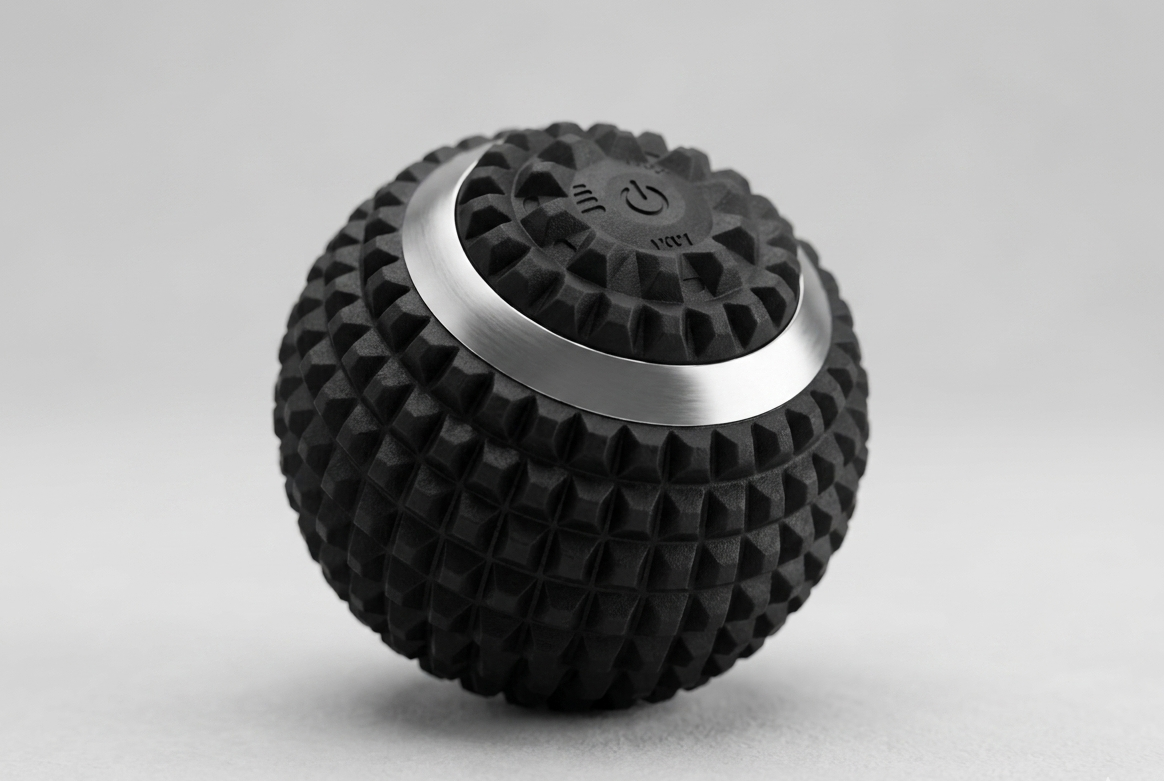
Of all the options, a compact massage ball is the most versatile single tool. It targets pinpoint trigger points the way a therapist’s elbow or thumb does, fits in a bag, and works on almost every muscle group from the soles of your feet to the back of your neck. Vibrating versions add another layer by sending micro-pulses into the tissue, which speeds up the relaxation response and is gentler on sensitive areas.
Benefits of Using a Self Massage Tool Daily
Regular self-massage delivers measurable benefits across pain, mobility, and recovery, and most of them are noticeable within the first two weeks. The main reasons to add a self massage tool to your daily routine:
- Faster recovery after exercise through improved blood flow and waste clearance
- Reduced muscle soreness and stiffness, especially after long sitting or workouts
- Better range of motion at the joints, which lowers injury risk
- Lower stress levels — sustained pressure on tight muscles activates the parasympathetic nervous system
- Less reliance on painkillers for tension headaches, neck pain, and back tightness
- Improved posture, since tight muscles often pull joints out of alignment
For anyone dealing with persistent muscle tension, ten minutes with a self massage tool can produce the same release a 30-minute stretching session does, in a fraction of the time.
How to Choose the Right Self Massage Tool
Picking the right tool depends on the muscle group you are targeting and how much pressure you can comfortably tolerate. Quick guidance:
- Massage ball — best for targeted trigger points: neck, shoulders, glutes, feet, and forearms. The most versatile single tool.
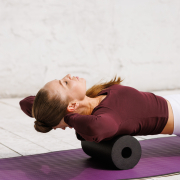
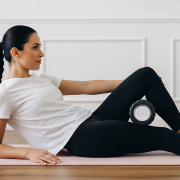
- Foam roller — best for large muscle groups: quads, hamstrings, lats, and upper back.
- Peanut ball — best for either side of the spine without compressing the vertebrae.
- Trigger point stick — best for hard-to-reach upper back and shoulder blades.
If you can only buy one piece of kit, start with a massage ball. It works on almost every muscle group, takes up no shelf space, and costs less than a single therapy session. A vibrating massage ball adds a deeper level of release without you having to lean harder into the pressure, which makes it more comfortable for beginners. Browse the full range of foam rollers and massage balls to match the right tool to your body.
6 Ways to Use a Self Massage Tool for Tight Muscles
The same massage ball can hit six of the most common problem areas in the body. Spend 60 to 90 seconds per area, breathing slowly and rolling the tool over the muscle until you find a tender spot, then pause and hold for 20 to 30 seconds.
1. Neck and Upper Traps
Stand with your back against a wall and place the massage ball between the wall and the muscle running from the base of your skull to your shoulder. Lean gently into the pressure and roll up and down. This area builds up tension from looking down at phones and laptops, and is one of the most common triggers for tension headaches.
2. Glutes and Piriformis
Sit on the floor with the ball under one glute. Cross the opposite ankle over your knee to deepen the pressure. Shift slowly until you find a tight spot, then breathe and hold. Tight glutes contribute to lower back pain and sciatica, especially in people who sit for long stretches every day.
3. Plantar Fascia (Feet)
Place the ball on the floor and roll it under the arch of your foot while seated or standing. Apply moderate pressure for 30 to 60 seconds per foot. This is one of the most effective ways to ease plantar fasciitis pain, foot fatigue, and tightness that builds from a day in unsupportive shoes.
4. Quads and IT Band
Lie face down with the ball under one quad, weight supported by your forearms. Roll slowly from the hip to just above the knee, pausing on tender spots. Then turn slightly to target the outer thigh and IT band. Cyclists, runners, and desk-bound workers all benefit from this technique.
5. Calves and Achilles
Sit on the floor with one leg extended and the ball under your calf. Stack the other leg on top for more pressure. Roll from ankle to knee, pausing wherever you feel a knot. This area gets neglected but contributes heavily to plantar fascia tightness and Achilles strain when ignored.
6. Shoulder Blades and Upper Back
Lie on your back with the ball positioned between your spine and shoulder blade (never directly on the spine). Bend your knees and let your weight press into the ball. Move your arm slowly overhead and back down to find tight spots. This releases tension from hunched desk posture within minutes.
Self Massage Tool Mistakes to Avoid
Even the best self massage tool will not help, and may even cause bruising or extra soreness, if you use it incorrectly. The most common mistakes:
- Rolling directly on bone, nerves, or major joints
- Holding pressure on a single point for too long (60 seconds is plenty — longer can bruise tissue)
- Using too much weight on a fresh injury — wait at least 48 hours for acute strains
- Holding your breath, which spikes muscle tension and reduces the benefit
- Skipping the hydration that helps muscles flush out waste products
- Treating sharp, shooting pain as something to push through — that is a sign to stop
When in doubt, lighter and shorter is better than deeper and longer. Consistent daily use beats one intense weekly session every time.
How Often Should You Use a Self Massage Tool?
Most people see noticeable improvement with 5 to 10 minutes of self-massage daily. If you train hard or sit at a desk for eight or more hours, twice a day works even better — once mid-morning to break up posture-related stiffness, and once in the evening to wind down.
For sore muscles after exercise, a focused 10-minute session within an hour of finishing your workout reduces next-day stiffness significantly. For chronic tightness, daily short sessions outperform occasional long ones. For a deeper look at recovery techniques, see our guide to sore muscle relief.
When to See a Doctor or Therapist
A self massage tool is a maintenance device, not a cure for everything. See a GP, physio, or sports therapist if your pain is sharp, sudden, or radiates down a limb; if a tender spot does not improve within two weeks of daily self-massage; if you notice numbness, weakness, or unexplained bruising; or if symptoms get worse rather than better.
For trustworthy general guidance on managing muscle and joint pain at home, the NHS back pain guidance is a solid starting point.
Choosing Your Self Massage Tool
A reliable self massage tool is one of the best returns on a small purchase you can make for your body. Daily use cuts soreness, releases stress-driven tightness, and builds long-term mobility — all without booking an appointment or leaving the house.
The LyfeFocus Vibrating Massage Ball is built specifically for this kind of routine, combining trigger-point pressure with gentle vibrations that deepen the release without the bruising that often comes from leaning into a static ball.
If you have any questions about which self massage tool is right for your needs, the team is happy to help so get in touch with our team now.
Release knots and stress-related muscle tension with targeted trigger-point pressure and gentle vibrations.
Vibrating Massage Ball (Black)