How to Reduce Swelling Fast: 6 Effective Methods That Work
Swelling is your body’s alarm system — useful at first, but painful and frustrating when it lingers. Whether you’ve twisted an ankle, overdone it at the gym, or woken up with puffy joints, knowing how to reduce swelling quickly can make a real difference to your recovery. In this guide, we cover six evidence-backed methods to bring down inflammation and get you moving again — including when to reach for cold, when heat helps, and which tools work best.
Why Does Swelling Happen?
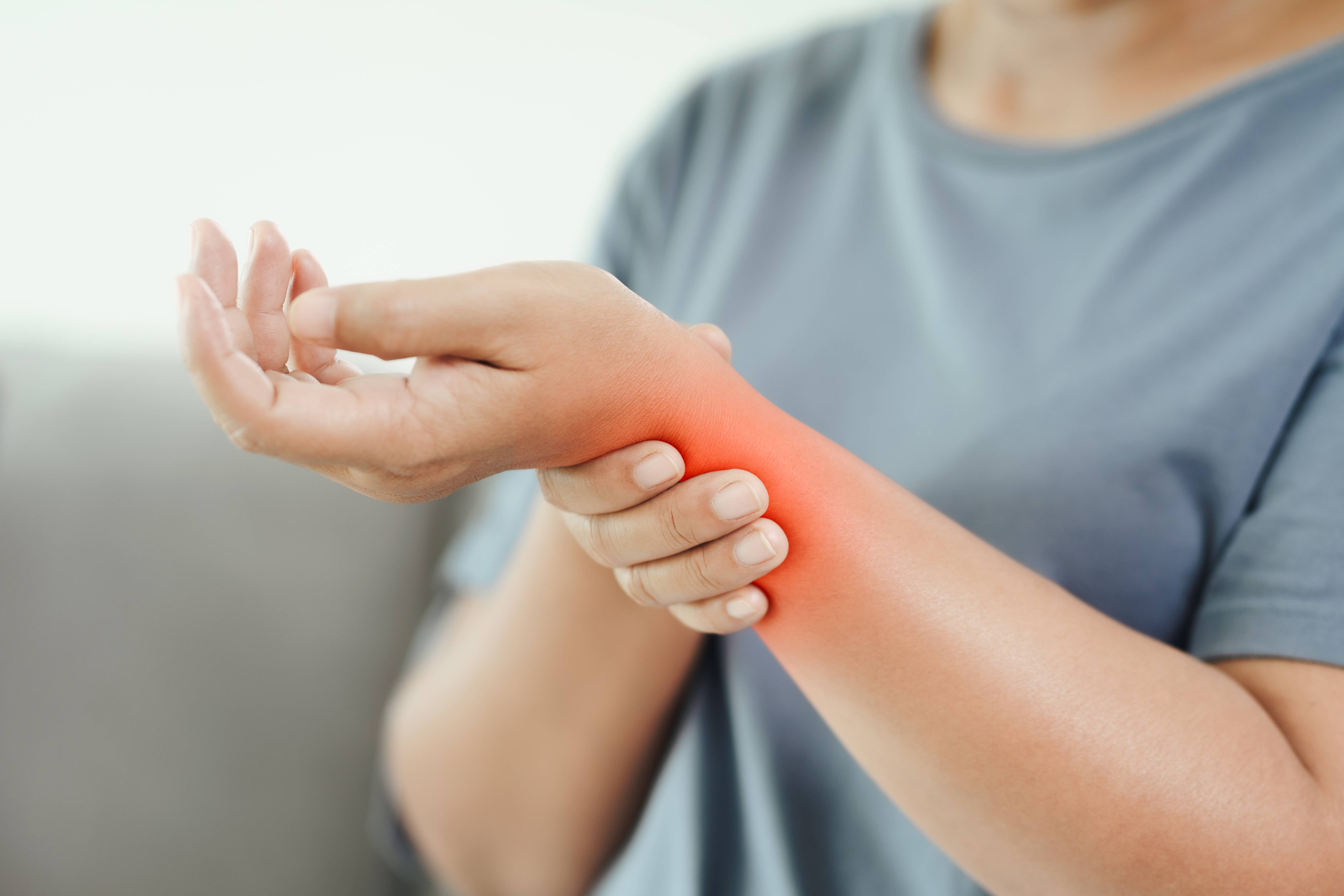
When tissue is injured or irritated, your body rushes blood and fluid to the area as part of the inflammatory response. This causes the classic signs of swelling: puffiness, warmth, redness, and tenderness. While this process is protective in the short term, excess fluid build-up can slow healing and cause significant discomfort. The goal when you want to reduce swelling is to encourage fluid drainage and calm the inflammatory response — without stopping the healing process entirely.
1. Apply Cold Therapy Immediately
Cold is your first line of defence when you need to reduce swelling after an acute injury. Applying a cold pack within the first 24–72 hours causes blood vessels to constrict, which limits the amount of fluid that pools in the injured area.
Key tips for effective cold therapy:
- Apply for 15–20 minutes at a time, every 1–2 hours
- Never apply ice directly to skin — always use a cloth or cover
- Most effective within the first 48 hours of an injury
- Works well for sprains, strains, post-workout inflammation, and joint pain
The LyfeFocus Hot/Cold Pack range is designed specifically for targeted cold therapy — flexible enough to wrap around ankles, knees, wrists, or shoulders, and cold for longer than a standard ice bag.
2. Reduce Swelling With the RICE Method
The RICE method is one of the most widely recommended approaches for managing swelling after a soft tissue injury. According to the NHS, it remains a standard first-aid approach for sprains and strains.
- Rest — stop the activity that caused the injury and avoid putting weight on the area
- Ice — apply a cold pack to bring down inflammation (see above)
- Compression — a bandage or compression wrap can reduce fluid build-up
- Elevation — raise the affected limb above heart level to encourage fluid drainage
RICE works best in the first 48–72 hours after injury. After that, gentle movement and heat may be more appropriate.
3. Use Heat to Reduce Swelling at Later Stages
While cold is ideal immediately after an injury, heat becomes useful from around 72 hours onwards — once the initial acute swelling has subsided. Heat increases blood flow and helps relax tense muscles around the affected area, which can reduce residual stiffness and aching.
Use a heat pack for:
- Chronic joint pain or arthritis flare-ups
- Muscle tightness and post-injury stiffness
- Lower back pain and referred swelling
- Menstrual cramps and abdominal swelling
The LyfeFocus Hot/Cold Packs switch seamlessly between cold and heat therapy — chill in the freezer or warm in the microwave in minutes.
4. Elevation and Movement
Keeping a swollen limb elevated above heart level uses gravity to your advantage — fluid naturally drains away from the area rather than pooling. Aim to elevate the affected arm or leg whenever you’re resting, and prop it up overnight if possible.
Gentle movement is equally important once the acute phase has passed. Light activity promotes lymphatic drainage — your body’s natural mechanism for clearing excess fluid from tissues. Walking, gentle stretching, and mobility exercises all support this process.
5. The Science of Cold Therapy Goes Deeper Than You Think
If you’re serious about using cold to reduce swelling, it’s worth understanding exactly what’s happening at a physiological level. Cold exposure doesn’t just numb pain — it triggers a cascade of vascular and hormonal responses that actively accelerate recovery. Our in-depth guide on the science of cold therapy covers how temperature affects inflammation at a cellular level — well worth a read before your next recovery session.
6. When to Reduce Swelling With Professional Help
Home methods work well for minor injuries and day-to-day inflammation. But some types of swelling need medical attention:
- Swelling that doesn’t improve after 72 hours of self-care
- Severe swelling following a fall or impact
- Swelling accompanied by intense pain, numbness, or colour change
- Swelling in both legs with no obvious cause (can indicate a circulatory issue)
- Any swelling that follows a head injury
If you’re unsure whether your symptoms need further assessment, always consult a healthcare professional. Don’t rely on self-treatment alone for unexplained or persistent swelling.
The Right Tool Makes a Real Difference
Managing swelling at home is far easier with the right kit. A quality hot/cold pack that holds its temperature, conforms to the body, and is safe for repeated use takes the guesswork out of recovery. The LyfeFocus Hot/Cold Pack collection includes options for large muscle groups, the neck and shoulders, and smaller targeted areas — so you always have the right size for the job.
Questions about which pack suits your injury best? Get in touch with our team and we’ll point you in the right direction.
Flexible, reusable, and effective — switch between cold and heat therapy in minutes.
Shop Hot/Cold Packs