What Does a Neck Stretcher Do? 7 Proven Benefits for Neck Pain
You have probably seen a neck stretcher in a wellness shop or scrolling through social media, and wondered exactly what it does. If you spend hours hunched over a laptop, you already know the tight, aching feeling that builds up at the base of your skull by mid afternoon.
So what does a neck stretcher do that a regular stretch or a hot shower cannot? In short, it uses gentle, sustained pressure to decompress the neck and ease the muscles that carry the weight of your head all day.
This guide breaks down exactly what does a neck stretcher do, how it works, and how to use one safely at home so you can decide whether it deserves a spot in your evening routine.
What Does a Neck Stretcher Do to Relieve Tension?
To understand what does a neck stretcher do, it helps to picture your cervical spine. It is a stack of small bones separated by discs, supported by muscles that are almost never fully relaxed while you are upright.
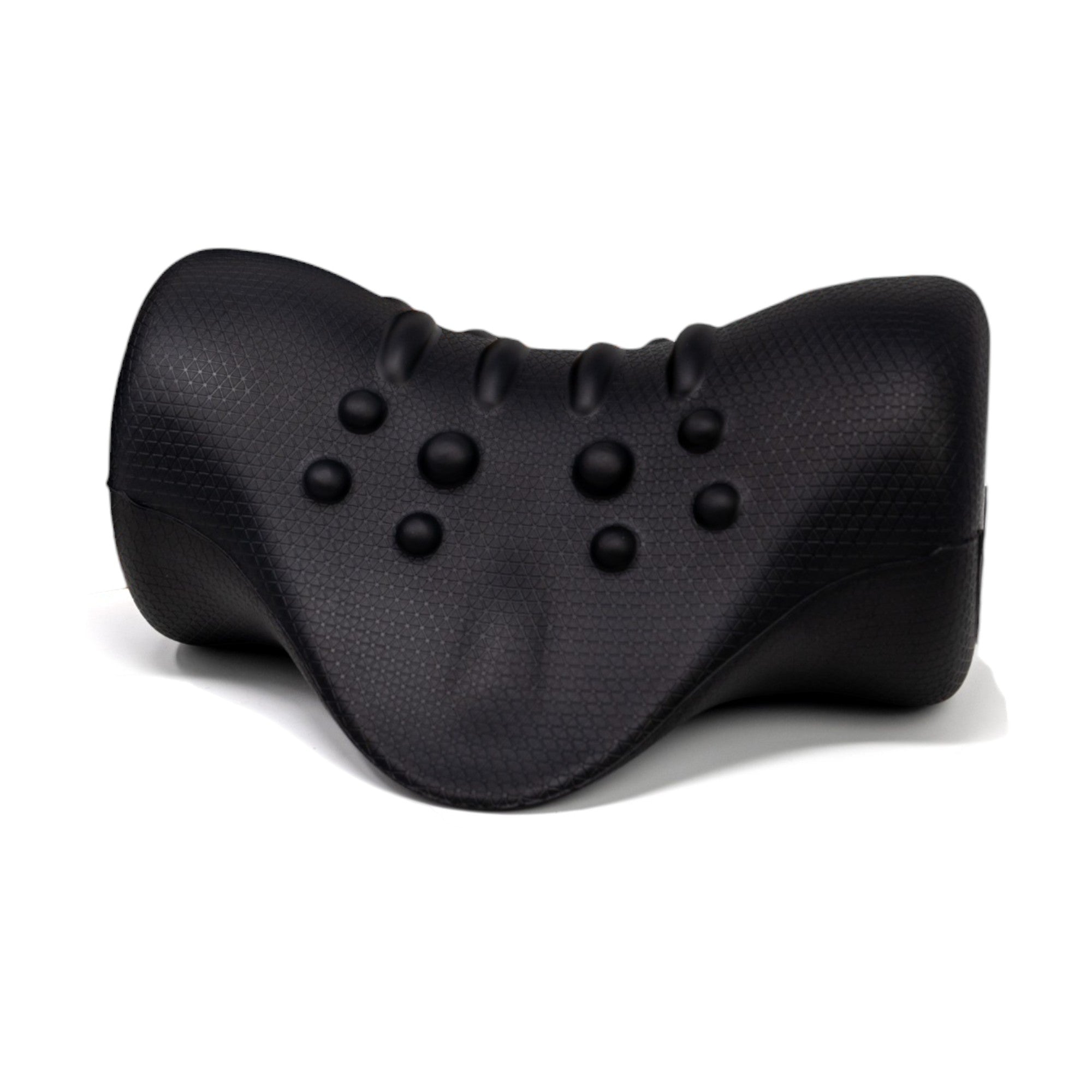
A neck stretcher is shaped with a curve that supports the back of your neck while gently encouraging it into a natural arch.
This position creates light traction along the spine. That traction is really what does a neck stretcher do at a mechanical level.
It opens up the space between the vertebrae, takes pressure off compressed discs, and allows tight muscles to lengthen instead of staying locked in a shortened position.
Most people feel a release within the first few minutes of lying back on one. It is not a dramatic crack or pop. It is a slow, steady loosening, similar to how your lower back feels after a good stretch.
Think about a typical Tuesday for a remote worker: four video calls back to back, shoulders creeping up towards the ears, chin pushed forward to see the screen better. By 4pm, the base of the skull is throbbing.
This is exactly the pattern that answers what does a neck stretcher do so effectively. Ten minutes lying back over the curve before dinner reverses hours of that forward-hunched posture in a way that simply sitting up straighter cannot undo on its own.
The same principle applies to anyone who spends long stretches looking down, whether that is scrolling a phone on the commute or reading in bed.
Over months, that repeated position shortens the muscles at the back of the neck and flattens the natural curve of the cervical spine. A neck stretcher works against that pattern directly rather than just masking the ache with a painkiller.
7 Benefits: What Does a Neck Stretcher Do for Your Body?
Once you understand the basic mechanism, the practical benefits become easier to see. Here is what does a neck stretcher do for the average desk worker or anyone carrying tension in their upper body.
- Eases muscle tightness. Gentle traction encourages the trapezius and levator scapulae muscles to release, which are the two muscles most commonly linked to a stiff neck.
- Supports better posture. Regular use encourages the natural curve of the cervical spine, counteracting the forward head position that comes from looking down at screens.
- Reduces tension headaches. Tight neck muscles are a common trigger for headaches that start at the base of the skull, so releasing that tension can bring welcome relief.
- Improves neck mobility. Looser muscles and joints mean an easier range of movement when turning your head to check a mirror or reverse the car.
- Fits into a short daily routine. A session takes as little as 10 to 15 minutes, which is easy to slot in before bed or during a work break.
- Requires no equipment setup. Unlike a massage chair or heat lamp, it simply sits behind you on a flat surface.
- Works alongside other relief methods. It pairs well with heat therapy, gentle stretching, or a foam roller session for the upper back.
Taken together, these benefits explain what does a neck stretcher do so well for people whose necks spend all day fighting gravity and bad habits.
None of them require you to change your entire lifestyle, which is probably why the habit tends to stick once people give it a proper two week trial.
How to Use a Neck Stretcher Properly
Knowing what does a neck stretcher do is only half the story. Using one correctly is what turns a good idea into consistent relief.
- Sit on the floor with the stretcher positioned behind you, curved side facing up towards your back.
- Lower yourself down slowly using your arms, letting your neck rest into the curve.
- Relax your shoulders and let your head settle rather than forcing the stretch.
- Stay in position for 10 to 15 minutes, breathing slowly throughout.
- Reposition slightly every five minutes if you want to target a different area.
Start gently and build up gradually. If you have any existing neck condition, it is worth checking the NHS guidance on neck pain before beginning a new routine.
This matters most if your pain has lasted more than a few weeks or has not settled with rest.
What Does a Neck Stretcher Do Differently to Other Neck Relief Tools?
Heat packs, massage balls, and posture correctors all target neck tension from a different angle. A heat pack increases blood flow. A massage ball digs into specific trigger points. A posture corrector changes how your shoulders sit throughout the day.
A neck stretcher does something none of these fully replicate on its own. It creates decompression along the whole cervical spine rather than working one muscle or one moment of the day.
This is what does a neck stretcher do that makes it a useful addition rather than a replacement for the rest of your routine.
Some people combine both approaches, using a heat pack for five minutes to warm the muscles before lying back on the stretcher. Others prefer to keep it simple with a single evening routine.
Either way, understanding what does a neck stretcher do compared with these other tools makes it easier to build a routine that actually fits your day.
Common Mistakes to Avoid With a Neck Stretcher
A few habits can undo the benefits before you even get started.
- Rushing into a deep stretch. Build up gradually rather than pushing your head as far as it will go on day one.
- Using it on a soft surface. A firm, flat surface keeps the curve stable and supportive.
- Ignoring discomfort. A gentle pull is expected, but sharp pain is a sign to stop and reassess.
- Skipping consistency. A single session rarely produces lasting change. Daily use over a couple of weeks is where most people notice real improvement.
- Expecting an instant fix. What does a neck stretcher do on day one is different to what it does after two weeks of steady use, so patience matters as much as technique.
Our full neck stretcher instructions guide covers positioning, timing, and safety in more detail if you want to see exactly what does a neck stretcher do step by step with photos.
Start Feeling the Difference
So, what does a neck stretcher do in everyday terms? It gives your neck a few quiet minutes to undo what a full day of screens and slouching puts it through.
For many desk workers, that small daily habit is enough to notice looser shoulders, fewer headaches, and a neck that turns more freely by the end of the week.
For personalised product advice, get in touch with the LyfeFocus team directly.
Ease neck tension and restore natural posture with targeted support.
Neck Stretcher (Black)