Neck Cramping: 7 Causes and Effective Ways to Find Relief
Neck cramping can strike without warning, turning an ordinary afternoon at your desk into a battle with sharp, tight pain that makes it hard to turn your head. If you have ever woken up with a stiff neck or felt a sudden cramp grip your shoulders during a long video call, you are not alone. Office workers across the UK regularly report this kind of muscle tension as one of the most common complaints linked to long hours at a screen. This guide looks at what causes the problem, how to ease it quickly with simple self care, and how small daily changes can help stop it coming back.
What Causes Neck Cramping?
Neck cramping happens when a muscle suddenly tightens and will not release, creating a hard, knotted feeling that can last anywhere from a few seconds to several hours. It can be sharp enough to make turning your head feel almost impossible.
Dehydration is one common trigger, since muscles need enough fluid and electrolytes to relax properly after they contract. Stress is another major factor, as tension often settles into the shoulders and neck without us realising it, gradually tightening the same muscles day after day.
Sleeping in an awkward position, particularly with a pillow that does not support the natural curve of the neck, can also lead to neck cramping that feels worst first thing in the morning. Repeated movements, such as constantly looking down at a phone or laptop, place extra strain on the same muscle group and increase the chance of a cramp developing later in the day.
Why Desk Workers Experience This So Often
Anyone can experience neck cramping, but people who spend long hours at a desk are particularly prone to it. Sitting in front of a screen for most of the day encourages the head to drift forward, which places extra load on the muscles at the back of the neck.
Over time, these muscles become overworked and more likely to spasm. A monitor positioned too low, a chair without proper support, or a keyboard placed too far away can all add to the strain, forcing the neck to hold an unnatural position for hours at a time.
Staying still for long stretches is just as much of a problem as poor posture itself. Muscles that do not move regularly become tighter and lose flexibility, which makes a sudden cramp far more likely to appear, often without any obvious trigger at all.
Quick Ways to Relieve Neck Cramping at Home
When neck cramping strikes, there are a few simple steps that can ease the tightness fairly quickly and help the muscle relax again.
- Apply heat. A warm shower, heat pack, or hot water bottle wrapped in a towel can help relax the muscle and bring relief within minutes.
- Try gentle movement. Slow, controlled tilts and turns of the head can help release tension, though sudden or forceful stretching should be avoided.
- Stay hydrated. Drinking water throughout the day supports muscle function and may reduce how often cramps occur.
- Massage the area. Gently kneading the affected muscle with your fingers can help loosen the knot and improve blood flow.
- Adjust your pillow. A supportive pillow that keeps the neck aligned with the spine overnight can reduce morning stiffness.
- Take regular breaks. Standing up and moving every 30 to 45 minutes helps stop muscles locking up in the first place.
These steps will not fix the underlying cause on their own, but they bring welcome short term relief while you work on longer term habits that reduce how often neck cramping returns.
Using a Neck Stretcher to Ease Neck Cramping
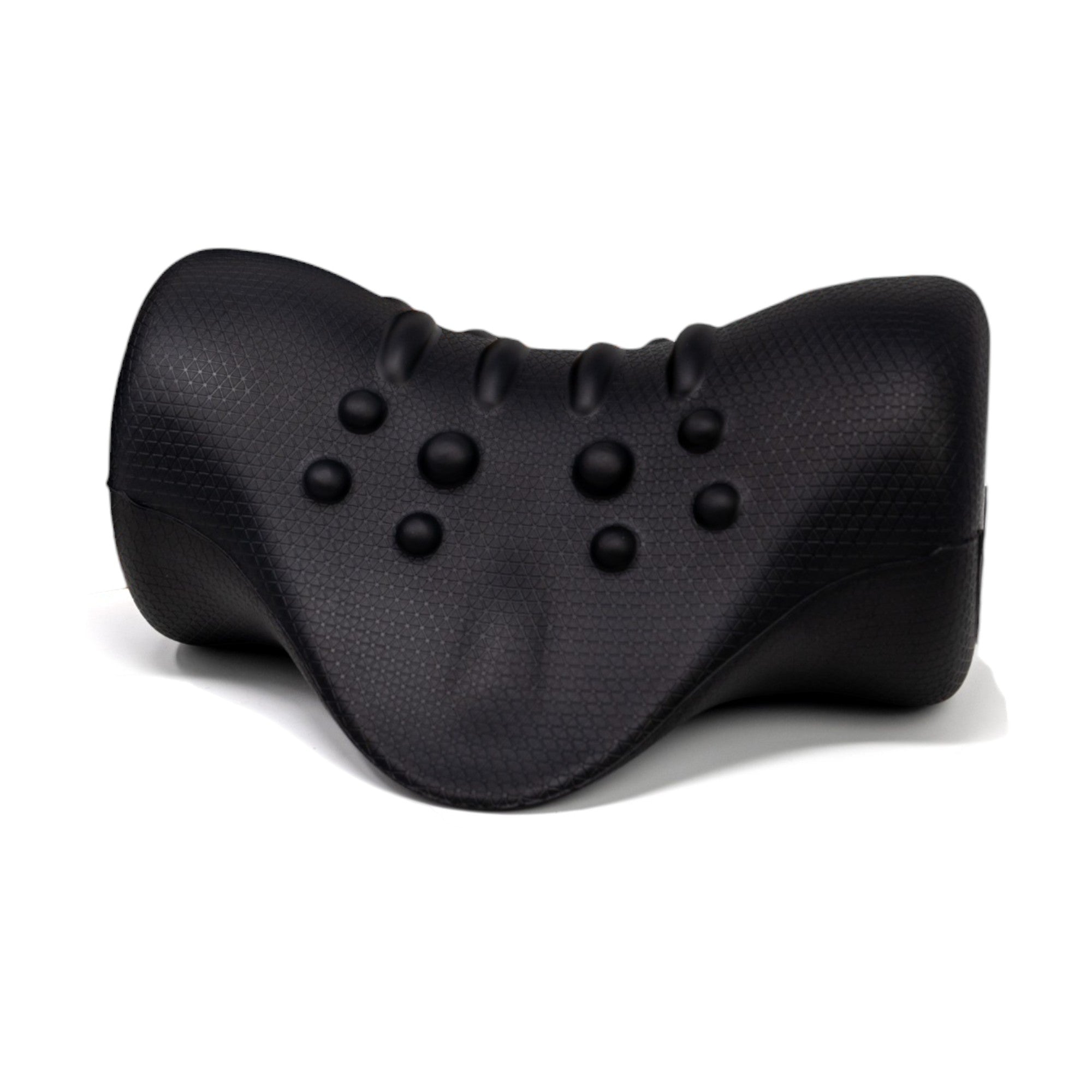
For tension that keeps coming back, a dedicated support tool can make a real difference. The LyfeFocus Neck Stretcher is designed to gently support the natural curve of the neck, helping to release the built up tension that often leads to neck cramping in the first place.
Lying back over the stretcher for 10 to 15 minutes allows the muscles to relax into a supported position, rather than fighting against a hunched posture all day. The massage nodes target the central and side neck muscles, the areas most commonly affected when neck cramping takes hold after a long day at a desk.
Used regularly as part of an evening routine, this kind of gentle, passive stretching can help reduce how often tightness builds up and support a more upright, comfortable posture over time.
Simple Stretches That Help Prevent Neck Cramping
Alongside passive support, a few gentle stretches can help keep the muscles around the neck supple and less likely to seize up in the first place.
- Chin tucks: gently draw the chin back, as if making a double chin, and hold for five seconds.
- Side bends: slowly tilt one ear towards the shoulder, holding each side for 15 to 20 seconds.
- Shoulder rolls: roll the shoulders backwards in slow circles to release tension across the upper back and neck.
- Neck rotations: gently turn the head to look over each shoulder, moving slowly and within a comfortable range.
These movements work best when done little and often throughout the day, rather than as a single long session. Regular movement keeps the neck muscles flexible, which lowers the chance of tension building up unnoticed until it becomes a full cramp.
When Neck Cramping Needs Medical Attention
Most of the time, neck cramping settles down on its own within a few days with rest, gentle movement, and the self care steps above. However, there are times when it is worth getting checked by a professional.
According to the NHS, you should see a GP if neck pain or stiffness does not go away after a few weeks, if painkillers have not helped, or if other symptoms appear, such as pins and needles or weakness in an arm.
If a cramp is accompanied by a high fever, severe headache, or sudden weakness, seek medical advice promptly, as these symptoms can sometimes point to something more serious than simple muscle tension.
Common Mistakes That Make Neck Cramping Worse
A few everyday habits can unintentionally make neck cramping more frequent or harder to shake off, even when the underlying cause is fairly minor.
- Ignoring early signs. Pushing through tightness instead of taking a short break often allows tension to build into a full cramp.
- Sleeping on a flat or unsupportive pillow. This can leave the neck in an awkward position for hours overnight.
- Sitting still for too long. Even good posture becomes a problem if it is held without a break.
- Relying only on painkillers. These can mask discomfort without addressing the muscle tension causing it.
- Skipping water. Mild dehydration makes muscles more prone to cramping throughout the body, including the neck.
Small adjustments to these habits, alongside the relief tips above, can make a real difference to how often this kind of tightness shows up.
Living With Fewer Episodes of Neck Cramping
Neck cramping is uncomfortable, but it is rarely something to worry about, and most cases ease with simple changes to posture, hydration, movement, and daily habits. Paying attention to how you sit, sleep, and rest can make a lasting difference to how often it returns.
If you would like more advice about easing this kind of tension or finding the right support for your posture, our team is available to help you find the right solution. Drop us a message anytime through our contact page.
Ease neck tension and restore natural posture with targeted support.
Neck Stretcher (Black)