Ice or Heat for Injuries: What Actually Works and When to Use Each
You’ve just twisted your ankle or pulled a muscle and the first question that pops into your head is: ice or heat? It’s one of the most common dilemmas in injury recovery, and getting it wrong can slow your healing down significantly. The good news is the answer isn’t complicated once you understand what each therapy actually does to your body.
This guide breaks down exactly when to use ice or heat for injuries, why it matters, and how to get the most out of both. Whether you’re dealing with a fresh sprain, chronic back pain, or post-workout soreness, read on to find out which one your body needs right now.
What Happens to Your Body When You’re Injured
When tissue is damaged, whether from a fall, overuse, or sudden strain, your body launches an inflammatory response. Blood flow increases to the area, causing redness, swelling, heat, and pain. This is your immune system doing its job, sending cells to begin repairs.
The problem is that too much inflammation, or inflammation that lingers too long, can actually hinder healing and increase discomfort. That’s where ice and heat therapy come in — each interrupts or supports this process in different ways, depending on what stage of recovery you’re in.
When to Use Ice for Injuries
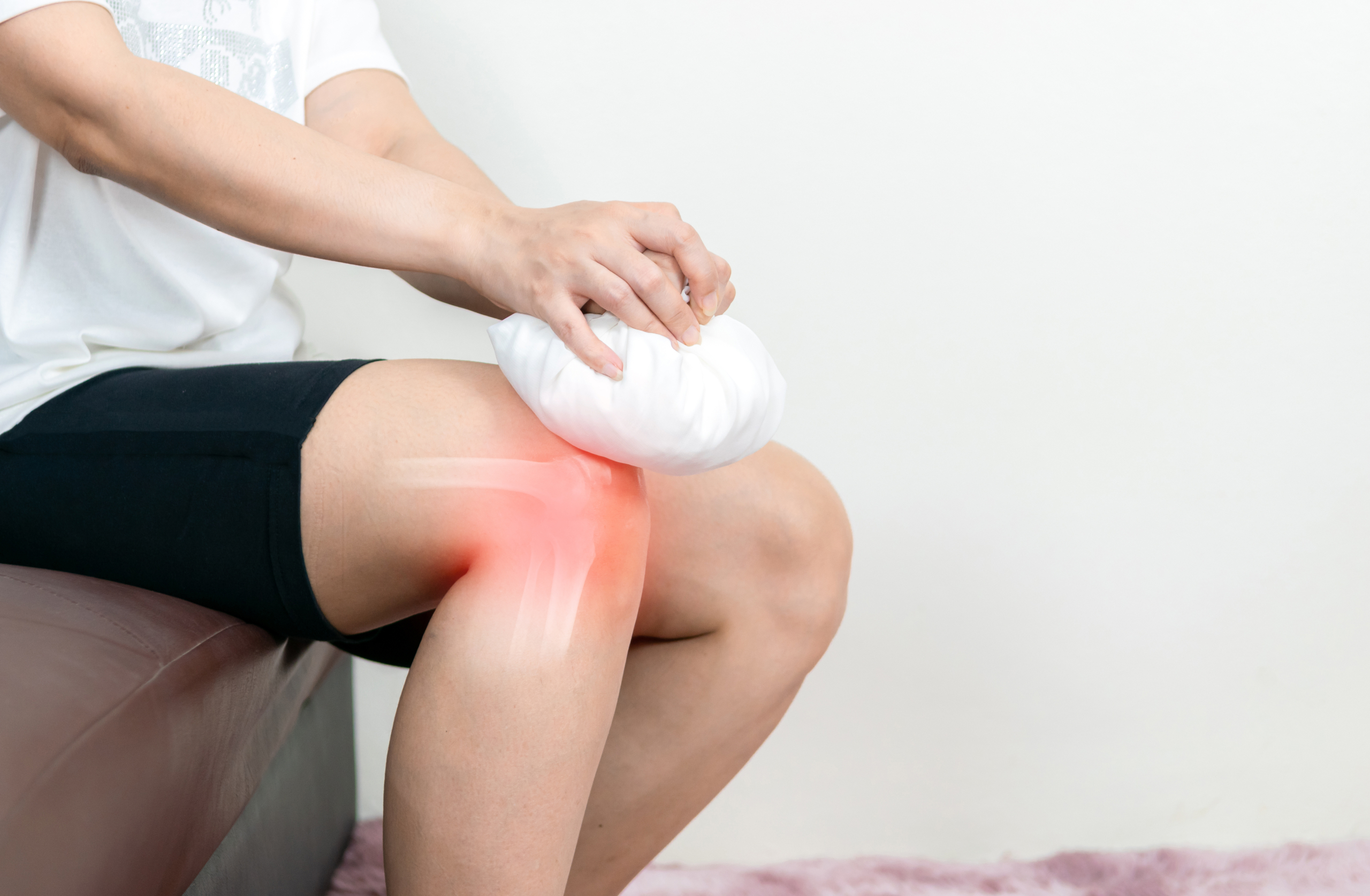
Cold therapy also called “cryotherapy” is your go-to in the first 24 to 72 hours after an acute injury. Ice constricts blood vessels, which reduces blood flow to the area and slows the inflammatory response. The result: less swelling, less bruising, and faster pain relief.
Use ice when you notice:
- Visible swelling or puffiness around the injury
- The skin feels warm or hot to the touch
- Sharp, acute pain from a fresh sprain or strain
- Post-surgery or post-exercise inflammation
Apply ice for 15 to 20 minutes at a time, never directly on the skin — always use a cloth or cover between the ice pack and your body to prevent ice burn. Repeat every 2 to 3 hours in the early stages.
Cold therapy isn’t just for injuries, either. If you want to understand the wider benefits of cold exposure for athletic recovery, take a look at our article on the science behind ice baths — it covers what happens physiologically when cold meets muscle tissue.
When to Use Heat for Injuries
Heat therapy works in the opposite way. It dilates blood vessels, increases circulation, and relaxes muscle fibres. This makes it ideal for injuries that are no longer acutely inflamed — particularly stiffness, chronic pain, and muscle tension.
Reach for heat when you’re dealing with:
- Tight or knotted muscles after exercise or long periods of sitting
- Chronic lower back pain or stiffness that worsens in the morning
- Old injuries where swelling has fully gone but movement is restricted
- Tension headaches linked to neck and shoulder tightness
- Joint stiffness in conditions like arthritis (outside of flare-ups)
Apply heat for 15 to 20 minutes. Like ice, never apply a heat source directly to bare skin to avoid burns. Avoid heat on swollen or freshly injured areas — it can worsen inflammation and delay recovery.
Ice or Heat for Specific Injuries: A Quick Guide
Not sure which one to reach for based on your injury type? Here’s a simple breakdown:
1. Sprains and strains
Always start with ice. A sprained ankle or strained hamstring involves acute tissue damage with swelling. Ice in the first 48 to 72 hours, then transition to heat as swelling subsides to restore flexibility.
2. Lower back pain
This depends on the cause. If you’ve just thrown your back out (acute injury), start with ice for the first couple of days. If it’s ongoing stiffness or chronic tension — the kind that’s worse after sitting at a desk — heat is usually more effective.
3. Muscle soreness (DOMS)
Delayed onset muscle soreness after the gym is not an acute injury it’s microscopic muscle breakdown and repair. Heat works well here, as it encourages blood flow and speeds nutrient delivery to recovering muscle fibres.
4. Arthritis
Heat is generally preferred for arthritis-related stiffness. During a flare-up with active inflammation, however, ice can offer short-term pain relief. Always check with your GP or physiotherapist for personalised advice.
Common Ice and Heat Mistakes to Avoid
Even when people know the basics, there are a few habits that can undo the benefits:
- Using heat on a fresh injury — this increases blood flow and worsens swelling when the body is already overproducing it
- Applying ice for too long — more than 20 minutes can cause ice burn or nerve damage
- Skipping the barrier layer — always place a cloth between your skin and the pack
- Using ice on chronic stiffness — if it’s been weeks since the injury and swelling is gone, ice may increase stiffness rather than relieve it
- Relying solely on temperature therapy — ice and heat complement rest, movement, and physio but should not replace professional advice for serious injuries
Ice or Heat for Injuries: The Bottom Line
The rule is simpler than it seems: ice for new, heat for old. Use cold therapy in the first 72 hours after an acute injury to control inflammation and pain. Switch to heat once swelling has cleared to relax muscles, restore movement, and ease chronic stiffness.
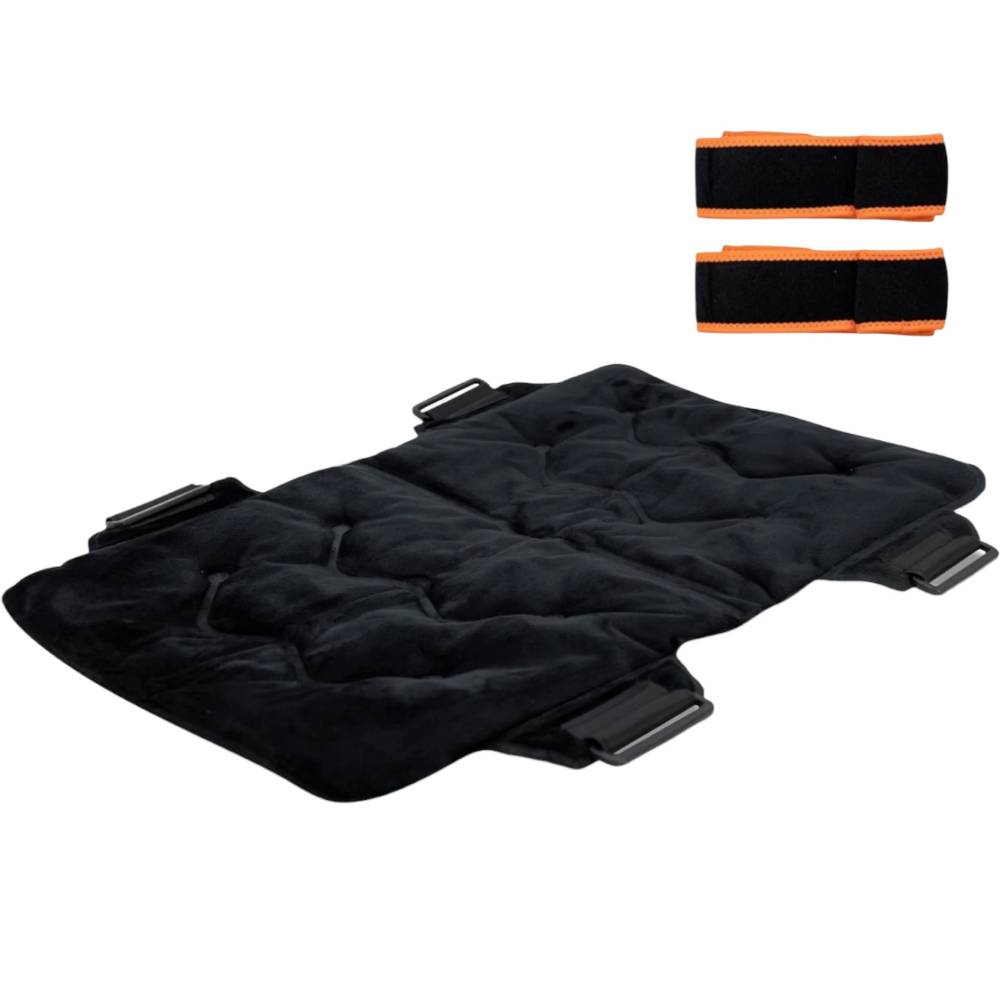
Having a quality hot and cold pack on hand means you’re ready for both stages of recovery without hunting for frozen peas or a hot water bottle. A reusable pack that works in both modes is one of the most practical recovery tools you can keep at home or in a gym bag.
If you have questions about the right approach for your situation, feel free to reach out to us via our Contact Page and we’re happy to help.
Ease tension fast with full-back hot or cold relief.
Hot/Cold Pack X-Large