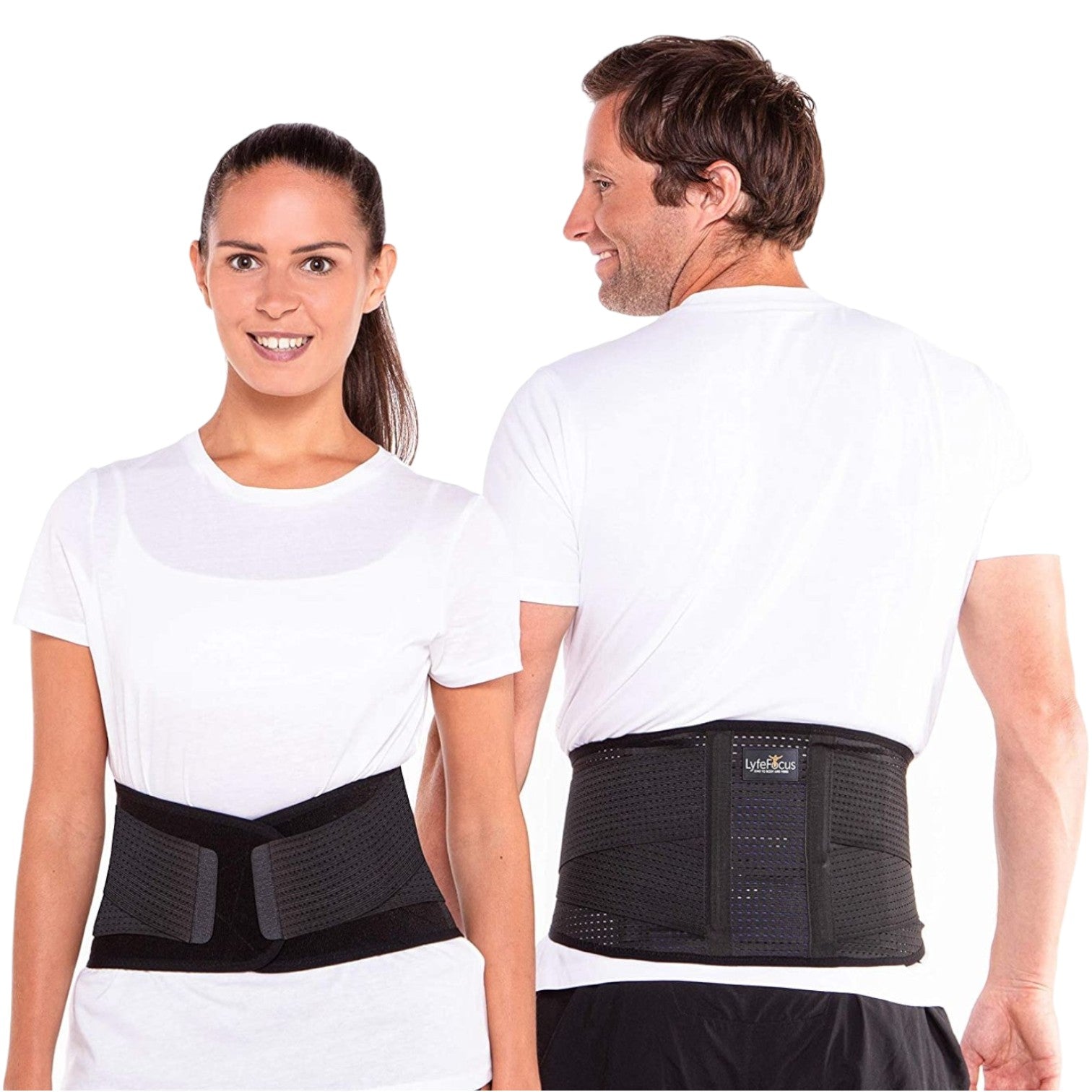
When a Lower Back Support Belt Can Help, and How Desk Workers Use It Well
A lower back support belt gets misunderstood in both directions. Some people expect it to solve every back problem on its own. Others dismiss it as unnecessary before they have even used one properly. The truth is more useful than either extreme. For the right person, in the right situation, proper lower back support can make a real difference to how the day feels.
Desk workers are a good example. They often sit for long periods, then ask the back to cope with commuting, house jobs, lifting, or exercise after already being stiff all day. That is exactly the sort of routine where extra support can help the body feel more stable and more confident.
When a support belt is most useful
A belt often helps during:
- flare-up periods when the lower back feels vulnerable
- busy workdays when sitting tolerance drops
- travel days
- housework or chores after long desk hours
- the stage where you are trying to get moving again but still feel cautious
In those moments, support can reduce the sense that the back has to do everything alone. That often makes movement feel easier and less threatening, which is a big deal when stiffness and guarding are part of the problem.
Why desk workers benefit more than they think
People who work at a desk often assume support products are only for manual jobs or heavy lifting. Not true. Desk work creates its own kind of strain. Long static postures, fatigue, poor sitting habits, and weak recovery routines all add up. By the time you stand, twist, lift shopping, or try to exercise, the back may already be running low on tolerance.
A support belt can be valuable here because it gives the lower back some reinforcement at the exact times you usually notice the strain most. The kind of back support lower back sufferers describe as most useful is support that arrives during those peak moments rather than being worn constantly through the day.
The smart way to use one
Use it deliberately, not permanently. A back support for lower back strain is most useful when it helps you get through a demanding period more comfortably and keeps you moving with better confidence. It works especially well when paired with sensible changes like better sitting support, more regular walking, and simple mobility work.
That is the point a lot of people miss. The best outcomes usually come from combining support and habits. The belt helps you manage the day better, and the improved routine reduces how often the back gets irritated in the first place.
Why it can be a very worthwhile purchase
For recurring desk-related back ache, a lower back support belt is often one of the most practical products you can own. It is easy to use, fits into real life, and gives immediate support during the times people most need it. That convenience matters, because if a product helps you stay more comfortable and more active, it starts paying for itself quickly.
It also fills the gap between intention and action. Plenty of people know they need to move better and sit better, but flare-ups make them tentative. Support reduces that hesitation. And once the body feels safer to move, people are far more likely to keep up the habits that improve things long term.
What it should not replace
A belt should not replace movement, workstation fixes, or professional advice when symptoms look more serious. But that does not make it a weak option. It makes it a useful one. The most effective tools are often the ones that help you keep doing the right things more consistently.
A lower back support belt is not a miracle product, and it does not need to be. Its job is to make demanding days easier, reduce strain during key moments, and support more confident movement. For desk workers dealing with repeat lower back discomfort, that is often exactly the kind of help that turns a rough routine into a manageable one.

Lower Back Support Belt
Stay active and protect your lower back with stabilising support.
Shop Now →